
Plants
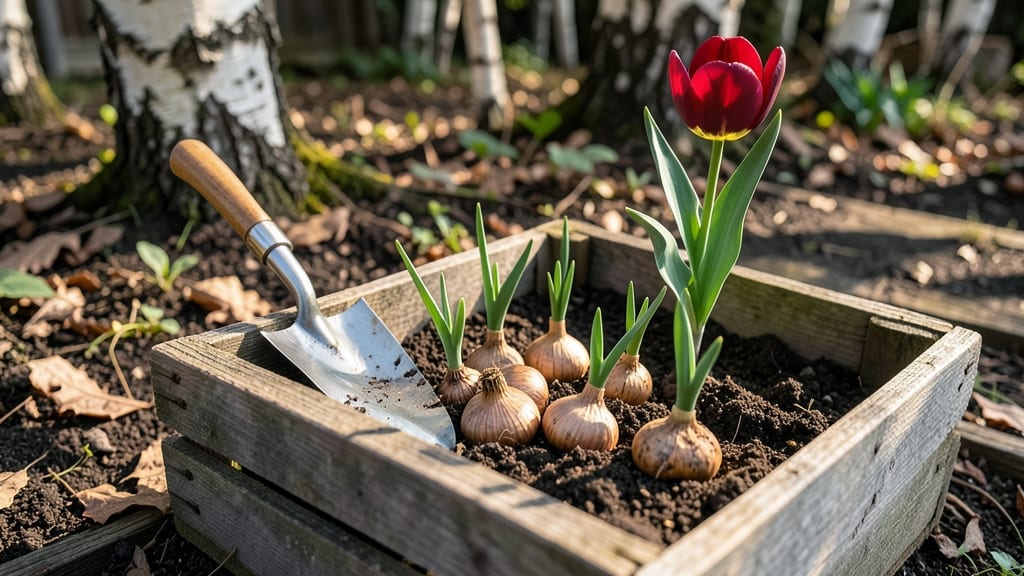
Planting tulip bulbs in California between October and December 🌷 ensures vibrant spring blooms, but the exact timing depends on your region’s microclimate.
California’s diverse climate means the wrong planting time can leave your tulips struggling to bloom—or worse, never emerge at all. Timing is everything for vibrant spring displays, but regional microclimates complicate things.
Coastal areas like San Francisco (Zone 10) can plant as late as December, while inland zones (9 or cooler) need bulbs in the ground by November to avoid winter frost surprises. Even a two-week delay can shift blooms from April to May—or worse, leave them dormant.
Below, I break down the best months by region, soil prep secrets, and how to adjust for early or late planting so your tulips thrive year after year.
California tulip planting calendar by region: exact months for perfect blooms
California’s diverse microclimates create a 6+ week difference in ideal tulip planting times. Inland areas like Sacramento need bulbs in the ground by mid-November, while coastal zones like San Diego can wait until January.
The key factor? Soil temperature must drop below 60°F (15°C) for roots to establish before winter dormancy.
Northern California’s cooler coastal regions (USDA Zone 9-10) experience rare frost, allowing a later planting window than inland areas. Meanwhile, the Central Valley’s hot summers demand early planting to avoid summer heat stress.
Southern California’s mild winters let gardeners plant as late as January—but with special care to prevent rot in wet winters.
Here’s your region-specific planting calendar, including soil temperature guidelines and frost risk factors to ensure vibrant spring blooms every time.
| Region | Best Planting Window | Soil Temp (°F) | Frost Risk | Key Notes |
|---|---|---|---|---|
| Northern CA (Cooler Zones) | October 15 – November 15 | 55–60°F (13–15°C) | Low (coastal) to High (inland) | Plant dwarf varieties first; mulch heavily in December. |
| Central Valley (Hot Summers) | October 1 – November 10 | 60–65°F (16–18°C) | Moderate (Dec–Jan) | Use well-draining soil; avoid clay-heavy areas. |
| Southern CA (Mild Winters) | November 15 – January 15 | 50–55°F (10–13°C) | Low (rare frost) | Plant late-blooming varieties; monitor for overwatering. |
| High Altitude (Sierra Foothills) | September 15 – October 31 | 45–50°F (7–10°C) | High (Nov–Mar) | Choose early-blooming tulips; plant 6+ inches deep. |
In Northern California, the cooler coastal zones (like San Francisco) can plant as late as mid-November, while inland areas (e.g., Sacramento) must finish by November 15 to avoid winter frost damage.
The soil temperature must consistently stay below 60°F (15°C) for 4+ weeks before planting to ensure root establishment.
For the Central Valley, where summers reach 100°F+, planting tulips too late means bulbs won’t root before heat stress sets in. Aim for October 1–10 in Fresno or Bakersfield, and use organic matter to improve soil drainage.
A 3-inch mulch layer after planting helps retain moisture during dry spells.
Southern California’s mild winters (e.g., Los Angeles, San Diego) allow later planting, but bulbs need 6–8 weeks of cool dormancy to bloom. Plant between November 15 and January 15, choosing late-blooming varieties like ‘Darwin Hybrid’ tulips.
Avoid planting in waterlogged soil, as Southern California’s wet winters can cause rot.
High-altitude areas like the Sierra Foothills (e.g., Lake Tahoe region) have earlier frost dates and cooler soils. Plant September 15–October 31 for early blooms before winter sets in. Use dwarf tulips (like ‘Tiny Star’) and plant 6+ inches deep to protect bulbs from freeze-thaw cycles.
Pro tip: Use a soil thermometer to monitor temperatures. Tulip bulbs need consistent cool soil (below 60°F) for 4–6 weeks before blooming. If your soil stays warm, consider shade cloth or planting in containers for better control.
Remember: Timing is everything for tulips. Plant too early, and bulbs may sprout prematurely in warm soil. Plant too late, and they won’t root before winter dormancy. Follow your region’s calendar closely for show-stopping spring blooms
How to adjust tulip planting for California’s microclimates and soil types
California’s diverse microclimates mean your tulip bulbs need region-specific care. In the Sierra foothills, cooler nights and well-draining soil are critical, while coastal areas like the San Francisco Bay benefit from mild winters and sandy soil amendments.
Meanwhile, desert-adjacent zones like Palm Springs require extra moisture retention to prevent bulb dehydration.
Soil type dictates planting success. Heavy clay soils need organic matter like compost or aged manure, while sandy soils benefit from peat moss or coconut coir.
Each microclimate also demands timing adjustments—coastal gardeners can plant later, while inland areas need earlier bulb insertion to avoid summer heat stress.
🌱 Key Takeaway: California Tulip Planting by Microclimate
Soil: Rocky, well-draining
Planting Window: September-October
Depth: 8 inches
Mulch: Straw + compost
Soil: Sandy loam (amend with compost)
Planting Window: November-December
Depth: 6-7 inches
Mulch: Pine needles
Soil: Sandy, drought-prone
Planting Window: October (early)
Depth: 7-8 inches
Mulch: Gravel + moisture-retaining gel
Soil: Clay-heavy (amend with perlite)
Planting Window: September (6-8 weeks before first frost)
Depth: 7 inches
Mulch: Wood chips
Pro Tip: Test soil moisture before planting—desert zones need pre-watering, while coastal areas may require drainage enhancements.
For high-altitude areas, focus on soil aeration by mixing in coarse sand or perlite to prevent waterlogging. Use thick mulch layers (3-4 inches) to insulate bulbs from temperature swings. In coastal regions, prioritize organic matter like composted leaf mold to improve water retention without suffocating roots.
In desert-adjacent zones, water deeply before planting and use hydrogel crystals mixed into soil to lock in moisture. Choose drought-tolerant varieties like Tulipa greigii or Tulipa tarda, which thrive with minimal water.
For summer-blooming tulips, plant Darwin Hybrid varieties in late winter (February) to avoid heat stress.
Mulching strategies vary: straw mulch works best in cool mountain areas, while gravel mulch reflects heat in desert gardens. Always apply mulch after the first frost to protect emerging shoots. For coastal gardens, pine needle mulch adds acidity and deters slugs—a common pest in damp climates.
Adjust your planting schedule based on local frost dates. Inland areas should plant by mid-October, while coastal gardeners can wait until December. Use frost cloth for early bloomers in high-altitude gardens to extend the season. With these microclimate-specific tweaks, your tulips will thrive year after year.
🌷