
Plants
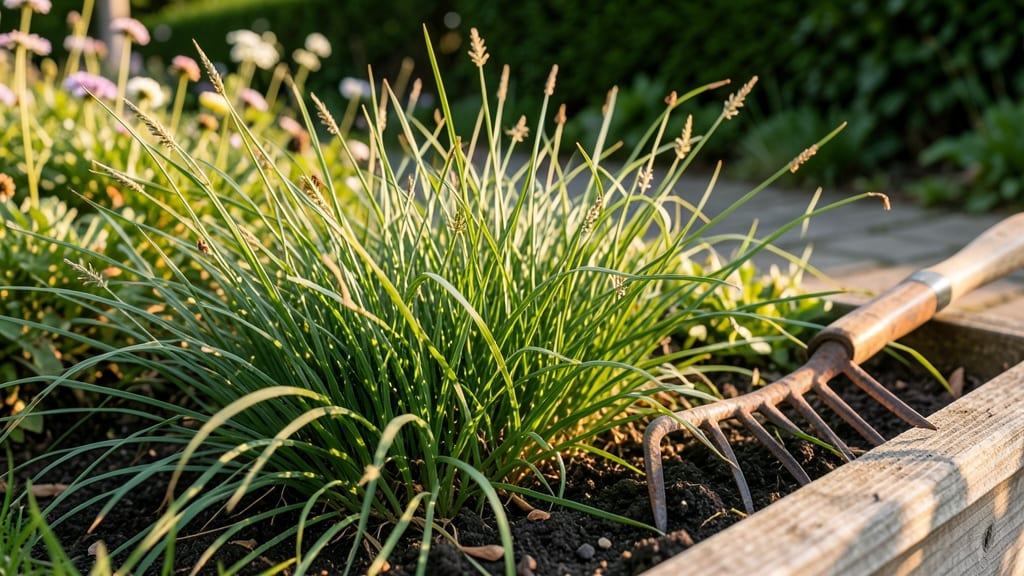
Planting grass seed in Massachusetts at the wrong time can leave you staring at bare soil for months — or worse, a patchy lawn that never fills in.
Timing is everything, especially in zones 5b-7a, where a late frost or scorching summer can derail your plans. The ideal window is narrow: early spring (March–April) or early fall (September–October), when soil temps hit 50–60°F and the risk of frost has passed.
But here’s the catch: your exact deadline depends on where in the state you live. Coastal areas like Boston can plant two weeks earlier than inland spots near the Berkshires, where cold snaps linger.
I’ll break down the frost-free math by zone so you know the precise moment to sow.
You’ll also discover the best grass types for your yard, how to prep soil for maximum germination, and the one watering trick that keeps new seed from drying out before it sprouts.
Massachusetts grass seed planting calendar: soil temperature & frost-free deadlines by Zone
Planting grass seed in Massachusetts at the wrong time can lead to slow germination, weed competition, or even seed loss from frost. The USDA zones 5b-7a across the state mean your timing should align with soil temperatures of 50-60°F and frost-free deadlines that vary by region.
Whether you're in Western MA (Zone 5b) or Cape Cod (Zone 7a), knowing these windows ensures your new lawn thrives from day one.
Cool-season grasses like Kentucky bluegrass and fescue dominate Massachusetts lawns, and they perform best when planted during early spring or early fall. Spring planting should happen after the last frost (typically mid-April), while fall planting works until late September to allow roots to establish before winter.
Soil temperature is your best indicator—wait until it consistently stays above 50°F for reliable germination.
Here’s your Massachusetts planting calendar broken down by zone, including soil temperature thresholds, frost-free dates, and ideal planting windows for both spring and fall:
For Zone 5b (Western MA), aim to plant in late April or May when soil temperatures reliably hit 50°F. This gives seedlings time to establish before summer heat stress.
In Zone 6a (Central MA), you can start as early as early April, but always check soil temps—cool, wet springs delay germination. Zone 7a (Cape Cod) enjoys the earliest windows, with March planting possible if soil warms quickly.
Fall planting is often the best option for Massachusetts lawns because cooler temps reduce weed competition and drought stress. Seedlings establish roots before winter, giving them a head start in spring. In Zone 5b, wrap up by late September; in Zone 7a, extend to early October.
Always plant at least 6-8 weeks before first frost to avoid winter damage.
If you’re overseeding an existing lawn, late summer to early fall (August–September) is ideal. This fills in thin spots before winter dormancy. For new lawns, spring planting gives you a full growing season to establish coverage, while fall planting minimizes summer stress.
My personal rule? Spring for speed, fall for strength.
Pro tip: Use a soil thermometer to confirm temps before planting. If your soil is still below 50°F in spring, wait—cold soil slows germination and invites disease. In fall, stop planting when nighttime temps dip below 40°F regularly. Weed control is easier with timely planting, so don’t rush the process!
Microclimates matter in Massachusetts. Coastal areas like Cape Cod (Zone 7a) can plant 2-3 weeks earlier than inland zones due to milder winters. Meanwhile, Western MA (Zone 5b) may experience late frosts into May—always check local frost data.
For real-time updates, use the National Weather Service or Old Farmer’s Almanac tools.
Remember, preparation is key. Test your soil’s pH (6.0–7.0 ideal), till the area, and remove weeds before seeding. A light raking after planting helps seed-to-soil contact. With the right timing and care, your Massachusetts lawn will be dense, green, and weed-free in just a few months. 🌱
Best grass seed types for Massachusetts climate & when to plant each
Massachusetts’ variable climate—with cold winters and hot summers—makes choosing the right grass seed type crucial for a thriving lawn. Most homeowners opt for cool-season grasses, which dominate the state’s USDA zones 5b-7a.
These varieties thrive in spring and fall planting windows, while warm-season options struggle in our chilly summers. Let’s break down your best options and their ideal planting times.
For cool-season grasses, the top three performers in Massachusetts are Kentucky bluegrass, tall fescue, and perennial ryegrass.
Each excels in different conditions: Kentucky bluegrass loves full sun and spreads aggressively, while fine fescue blends handle shade and drought better. Warm-season grasses like Bermuda or Zoysia are rare in MA but can work in southern zones (7a) for late-summer color.
Timing matters most! Early fall (September–October) is the golden window for cool-season grasses, as seedlings establish roots before winter. Spring planting (March–April) works too, but requires vigilant weed control.
Warm-season grasses, if used, should go in late spring (May–June) after soil warms to 65°F+. Let’s compare your options in detail.
Cool-Season Grasses for Massachusetts
Kentucky Bluegrass
- ✅ Pros: Lush, dense turf; recovers well from damage
- ✅ Ideal for full sun and high-traffic areas
- ✅ Planting time: Early fall (Sept–Oct) or spring (March–April)
- ❌ Cons: Needs regular watering; weak in shade
- ❌ Thatch buildup requires dethatching
Tall Fescue
- ✅ Pros: Drought-tolerant once established
- ✅ Handles partial shade better than Kentucky bluegrass
- ✅ Planting time: Late summer (Aug–Sept) or spring (April)
- ❌ Cons: Slower spread; can develop brown patches in winter
- ❌ Less disease-resistant than fine fescue
Fine Fescue
- ✅ Pros: Best for shade (wooded areas)
- ✅ Low-maintenance; thrives in dry conditions
- ✅ Planting time: Early fall (Sept–Oct) or spring (March)
- ❌ Cons: Weaker recovery from foot traffic
- ❌ Less dense than Kentucky bluegrass
Warm-Season Option (Southern MA)
- ✅ Bermuda Grass (Zones 7a+)
- ✅ Planting time: Late spring (May–June)
- ✅ Pros: Heat-drought tolerant; stays green in summer
- ❌ Cons: Goes dormant in winter; needs full sun
- ❌ Aggressive spread (can invade gardens)
If you’re in northern MA (zones 5b-6a), stick with cool-season grasses like Kentucky bluegrass for sun or fine fescue for shade. For southern MA (zone 7a), consider a mix of tall fescue and Bermuda for year-round appeal.
Always test your soil pH (6.0–7.0) and amend with compost before planting to give seeds the best start.
Pro tip: Overseed with perennial ryegrass in spring for quick germination while your primary grass establishes. This temporary cover blocks weeds until your lawn fills in. Water deeply 2–3 times weekly for the first month to encourage root growth, then taper to 1 inch per week once established.
For shady lawns, avoid Kentucky bluegrass—it struggles without 6+ hours of sun. Instead, choose fine fescue blends or creeping red fescue, which handle 2–4 hours of sun and stay green longer in low light. Pair these with mulch to retain moisture and reduce weed competition.