
Plants
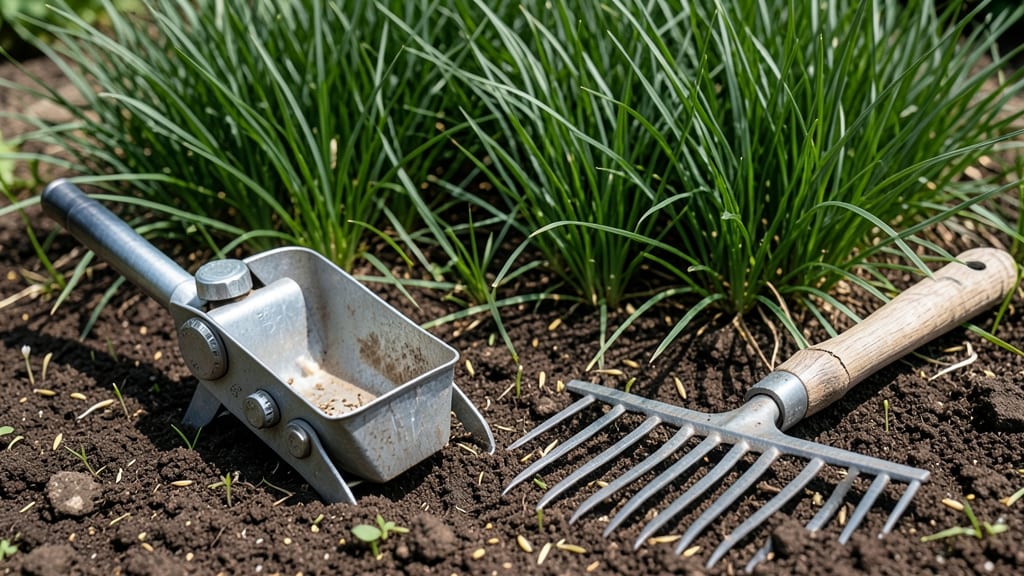
Planting grass seed in the fall should happen about 4-6 weeks before your first frost—that’s the sweet spot for strong roots before winter sets in.
Fall is the perfect time to plant grass seed—if you time it right, your lawn will establish deep roots before winter, giving you a lush, resilient spring.
But planting too early or late can leave your seeds vulnerable to frost or weeds. Here’s exactly when to plant in your USDA zone for maximum success.
In USDA Zone 6a, like much of the Midwest, that means aiming for late September to early October. Cooler temperatures help seeds germinate without stressing the soil, while still giving roots enough time to grow before ground freezes.
Below, I’ll break down the ideal planting windows by region, soil prep tips, and how to tell if you’ve planted at the right time—so you can skip the guesswork and end up with a thick, healthy lawn next spring.
USDA Zone-specific fall grass seed planting timeline by region
Timing your fall grass seed planting is everything—cool air and moist soil create perfect conditions for deep root growth before winter. But the ideal window varies wildly from USDA Zone 3 to Zone 11.
Plant too early, and seeds may sprout before frost kills them. Too late, and roots won’t mature before dormancy. Let’s break it down by region so you can maximize success in your climate.
Northern regions (Zones 3-7) have shorter growing seasons, so you’ll want to plant 6-8 weeks before first frost—typically late August to early October. Southern zones (Zones 8-11) enjoy milder winters, allowing a longer window (early September to November).
The key is ensuring soil temperatures stay above 50°F (10°C) for germination while avoiding late-season weeds that thrive in warm fall soil.
Why timing matters: Grass seeds need 4-6 weeks of warm soil to establish roots before winter dormancy. In cold climates, this means planting early enough to avoid frost damage, while warm climates can extend planting into November. Soil temperature, not air temperature, determines germination—aim for 55-75°F (13-24°C) for most grass types.
Here’s your zone-by-zone planting guide, including ideal soil temps, frost risk, and regional adjustments:
In USDA Zones 3-4, where winters are harsh, prioritize cool-season grasses like tall fescue or perennial ryegrass. These varieties thrive in cold climates and establish roots quickly before first frost.
For Zone 5-6, Kentucky Bluegrass is a top choice—plant in late August to avoid late-summer heat stress.
Southern zones (7-11) offer flexibility.
In Zone 8-9, you can plant warm-season grasses (e.g., Zoysia) in early fall for spring growth, or cool-season grasses for winter resilience. Zone 10-11 gardeners can sow seeds year-round, but fall is ideal for avoiding summer heat and weed competition.
Pro tip: Check your local frost dates (use the National Weather Service or Old Farmer’s Almanac) and count back 6-8 weeks. If your region has unpredictable frosts, err on the earlier side.
For example, Zone 6 with an average October 15 frost date should plant by September 1.
One common mistake? Planting based on air temperature instead of soil temperature. Use a soil thermometer to confirm temps are in the 55-75°F (13-24°C) range.
If soil is too cold, seeds won’t germinate—even if air feels warm. Northern zones may need to wait until late August for soil to warm enough.
Finally, over
How to prepare your lawn for fall grass seed planting: 5 critical steps
Preparing your lawn for fall grass seed planting is the key to a thick, healthy lawn next spring. The cooler temperatures and increased rainfall create ideal conditions for seed germination and root development.
But without proper prep, your seeds may struggle to establish or get outcompeted by weeds. I’ve learned the hard way—skipping soil testing or aeration can mean wasted seed and money.
Start by testing your soil pH and nutrient levels. Most grasses thrive in slightly acidic soil with a pH between 6.0 and 7.0. If your soil is too alkaline or compacted, your seeds won’t germinate evenly.
I use a simple home soil test kit—it’s cheaper than lab tests and just as accurate for basic needs. Adjust the pH with lime (to raise) or sulfur (to lower) 4-6 weeks before planting.
Next, focus on aeration to break up compacted soil. Compacted soil blocks water, air, and root growth. Rent a core aerator or hire a service if your lawn is heavily trafficked. Aerate when the soil is slightly moist—about 2-3 days after rain.
This creates perfect pockets for seeds to nestle into the soil. I’ve seen aeration boost germination rates by 30-50% in my own lawn.
5 Critical Steps to Prepare Your Lawn for Fall Grass Seed
- 🔹 Test Soil pH: Aim for 6.0-7.0. Adjust with lime or sulfur 4-6 weeks before planting.
- 🔹 Aerate the Lawn: Use a core aerator 2-3 days after rain to relieve compaction.
- 🔹 Control Weeds: Apply a pre-emergent herbicide or hand-pull weeds 1-2 weeks before seeding.
- 🔹 Choose the Right Seed: Pick a cool-season grass like fescue or ryegrass for your climate.
- 🔹 Spread Seed Evenly: Use a broadcast spreader for uniform coverage (½ lb per 100 sq ft).
Pro Tip: Water lightly after planting to settle seeds, then keep soil moist for 14-21 days.
Weed control is another critical step you can’t skip. Weeds compete for nutrients and sunlight, stunting your new grass. Apply a pre-emergent herbicide 1-2 weeks before planting to prevent weed seeds from germinating.
For organic options, use corn gluten meal—it’s a natural pre-emergent that also adds nitrogen. I’ve had great success with this method in my USDA Zone 6 lawn.
Selecting the right grass seed variety depends on your climate and lawn use. Cool-season grasses like tall fescue or Kentucky bluegrass are ideal for northern regions, while warm-season grasses like Bermuda or Zoysia thrive in southern zones.
Check your USDA zone and choose a seed blend labeled for your area. I always opt for high-quality seed—it’s worth the investment for long-term results.
Finally, post-planting care is just as important as prep. Water lightly after spreading seed to help it settle, then keep the soil consistently moist (not soggy) for the first 2-3 weeks. Aim for about 1 inch of water per week, either from rain or irrigation.
Avoid heavy foot traffic until the grass reaches 3-4 inches tall. I’ve seen new lawns fail because of overwatering or uneven moisture—stay consistent!