
Plants
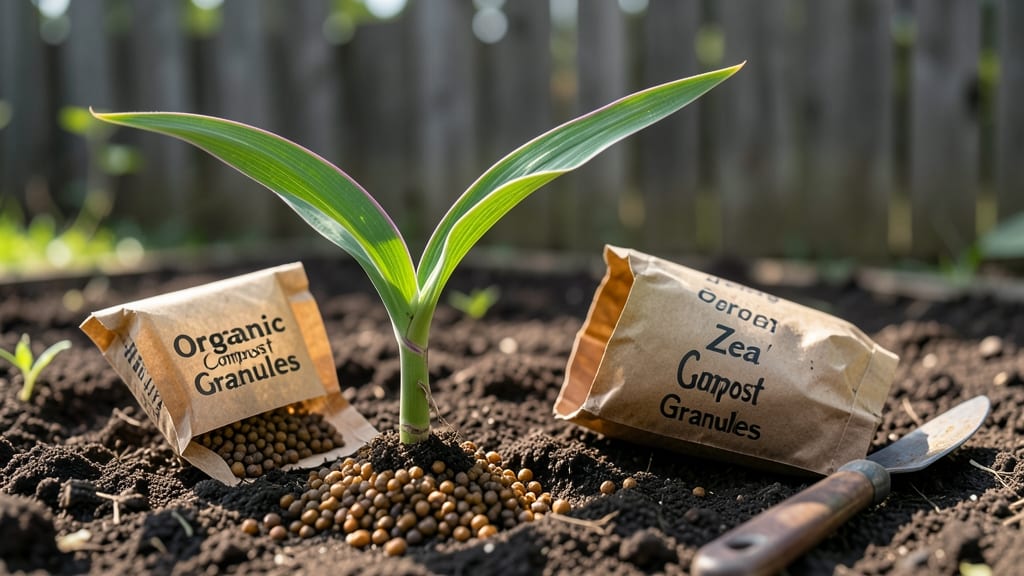
Plant mielies in South Africa during September to November for the best harvests, when soil temperatures hit 18°C (64°F) and summer rains are on the horizon.
Timing your mielie (maize) planting in South Africa can mean the difference between a bountiful harvest and a disappointing yield—especially with the country’s diverse climates. Get the months right, and you’ll enjoy sweet, plump cobs; get it wrong, and even the hardiest varieties will struggle.
Regions like Limpopo and the Mpumalanga lowveld thrive with early spring plantings, while coastal areas such as KwaZulu-Natal can stretch planting into March. The key is matching your variety to your frost risk and rainfall pattern—early maturers for cooler zones, drought-resistant types for drier areas.
Below, I break down the exact planting windows by region, soil prep secrets, and how to avoid the three biggest mistakes that sabotage mielie yields. Ready to grow your best crop yet?
Optimal mielie planting months by south african region: a climate-guided calendar
South Africa’s diverse climates mean mielie planting windows vary dramatically—from the summer rainfall of Limpopo to the winter rains of the Western Cape. Timing is everything: plant too early in frost-prone areas, and your crop will wither; too late, and heat stress stunts growth.
Let’s break down the perfect planting months for each region to maximize your harvest potential.
For summer rainfall regions (eastern SA), the golden window is September to November, aligning with the onset of summer rains. In winter rainfall zones (Western Cape), you’ll need to plant in February to March when spring rains arrive.
Meanwhile, subtropical KwaZulu-Natal offers a longer window from August to December, thanks to its milder climate.
Soil preparation is just as critical as timing. In all regions, aim to loosen soil 3-4 weeks before planting to a depth of 20-25cm. Add compost or well-rotted manure to boost fertility, and ensure good drainage—mielies hate soggy roots. Test your soil pH (ideal: 6.0-6.5) and adjust with lime or sulfur if needed.
In summer rainfall areas, the September start gives plants enough time to establish before the December–January heat peak. For drought-prone regions like the Free State, opt for early-maturing varieties (60–80 days) to avoid water shortages. Always monitor soil moisture—mielies need 2–3 inches of water weekly during tasseling.
The Western Cape’s winter rainfall system flips the script. Here, February–March planting ensures crops mature before summer droughts. Use drip irrigation to conserve water, and choose shorter varieties (e.g., PAN 6160) to reduce wind damage.
Frost is the biggest threat—cover young plants with agricultural fleece if temperatures drop below 5°C.
For KwaZulu-Natal’s subtropical climate, you can plant year-round with careful variety selection. August starts avoid early frosts, while December plantings capitalize on summer rains. This region’s longer growing season (300+ frost-free days) lets you experiment with heirloom varieties like Sugar Buns for sweeter cobs.
Pro tip: Stagger your plantings every 2–3 weeks to extend harvests. For example, in Limpopo, plant 1/3 of seeds in September, another 1/3 in October, and the final batch in November.
This ensures a steady supply of fresh mielies from December to May. Just watch for bird damage—cover young plants with net shading if needed.
Finally, adjust for altitude. High-altitude areas (e.g., Drakensberg) may need earlier plantings (August) due to cooler temperatures. Always check your local frost dates—the SA Weather Service provides regional alerts
How to adjust planting dates for early vs late varieties in South Africa’s heat zones
Choosing between early-maturing and late-maturing mielie varieties depends on your local heat zone and harvest goals. Early varieties like PAN 6165 (75-80 days) thrive in cooler highveld areas, while late varieties like PAN 7110 (100+ days) suit tropical coastal regions.
The key is matching maturity to your planting window—miss it, and heat stress or drought will shrink yields.
In Limpopo or Mpumalanga, where summer rains arrive by November, plant early varieties in September-October to avoid late-season drought. In contrast, Western Cape gardeners should opt for mid-season varieties (85-95 days) planted in February-March to escape winter chill.
Staggered planting—3-week intervals—extends harvests by 4-6 weeks.
Early Varieties (70-90 Days)
- Faster harvests (ideal for short seasons)
- Lower water needs (maturity before peak heat)
- Disease-resistant (less time in humid conditions)
- Smaller cobs (less kernel development time)
- Limited storage life (harvest before peak season)
- Sensitive to late frost (if planted too early)
Late Varieties (90-120 Days)
- Larger cobs (more kernel rows)
- Better drought tolerance (deep roots)
- Longer harvest window (staggered planting)
- High water demands (peak summer needs)
- Heat stress risk (if planted too late)
- Longer exposure to pests (e.g., maize stalk borer)
For drought-prone areas like the Free State, pair early varieties with mulching to retain moisture. In humid KwaZulu-Natal, late varieties benefit from shade cloth during tasseling to prevent silk desiccation.
Always check seed packet days-to-maturity against your last frost date—even in frost-free zones, heat waves can mimic frost stress.
My go-to strategy is planting 30% early, 40% mid-season, and 30% late varieties in 3-week batches. This ensures a continuous harvest from December to April, even if one batch faces unexpected heat stress.
For example, in Pretoria, I start with PAN 6165 in mid-September, followed by PAN 7110 in late October, and finish with SC 501 in early December.
Monitor soil temperatures—mielies need 18°C+ to germinate. Use a soil thermometer in morning shade to avoid false readings. If temperatures dip below 15°C, delay planting or use black plastic mulch to warm the soil.
In coastal regions, watch for humidity spikes that invite leaf blight—space plants 20cm apart for airflow.
Pro tip: Save seeds from your best-performing cobs for next season. Label them by planting date and variety to track which combinations thrive in your microclimate. Over time, you’ll refine your planting calendar to outsmart South Africa’s unpredictable weather. 🌽