
Plants
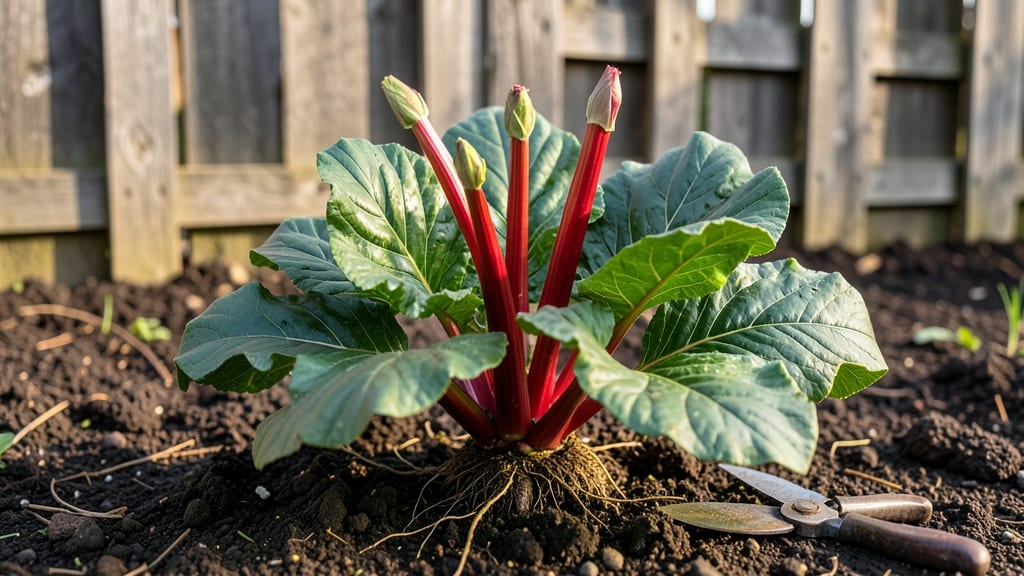
Planting rhubarb in Ontario after the last frost — typically late April to early May — sets you up for a thriving 🍃 crop that handles the region’s short growing season like a pro.
Ontario’s unpredictable spring weather can make planting rhubarb a high-stakes game—get the timing wrong, and your crop may never recover. But with the right frost-free strategy, you can grow hardy, disease-resistant rhubarb that thrives in Canada’s Zone 4-6 climate.
This hardy perennial loves full sun and well-drained soil, but the real secret is patience: rhubarb crowns take 2-3 years to reach full size, so planting at the right time means fewer headaches and more harvests in years to come.
Below, I’ll walk you through the exact planting window for your region, soil prep tips to avoid common mistakes, and how to protect your rhubarb from late frosts—so you can enjoy fresh stalks by late May.
Best planting windows for rhubarb in Ontario’s frost zones
Ontario’s Zone 4-6 climate demands precision when planting rhubarb crowns. The difference between Southern Ontario’s (Zone 6) last frost date of mid-May and Northern Ontario’s (Zone 4) late May to early June can mean the difference between a thriving plant and frost damage.
Environment Canada data shows soil temperatures must reach 40°F/4°C consistently before planting.
For Southern Ontario (London, Toronto, Hamilton), aim to plant rhubarb crowns between late April and early May. This window accounts for last frost averages of April 20-May 10 and ensures roots establish before summer heat arrives.
In Northern Ontario (Sudbury, Thunder Bay), wait until mid-to-late May when soil warms to 45°F/7°C.
First-year growth expectations vary dramatically by timing. Crowns planted too early (before May 1) may produce minimal stalks as energy goes into root establishment. Conversely, planting after June 1 delays harvest until year two. The sweet spot is late April-May, balancing frost risk and growth potential.
Soil temperature is your best indicator—use a soil thermometer to confirm 40°F/4°C at 4-inch depth. In Southern Ontario, this typically aligns with mid-April, while Northern regions may need to wait until early June. Cold soil slows root growth, making plants vulnerable to late-season frosts.
| Region | USDA Zone | Last Frost Date | Ideal Planting Window | Soil Temp Threshold | First-Year Growth |
|---|---|---|---|---|---|
| Southern Ontario (London, Toronto, Hamilton) | Zone 6 | April 20-May 10 | Late April-Early May | 40°F/4°C | Moderate stalks (10-15) |
| Central Ontario (Barrie, Peterborough) | Zone 5 | May 1-15 | Early-Mid May | 42°F/5°C | Limited stalks (5-10) |
| Northern Ontario (Sudbury, Thunder Bay) | Zone 4 | May 20-June 5 | Mid-to-Late May | 45°F/7°C | Minimal stalks (1-5) |
| All Regions (Fall Option) | Zones 4-6 | September 15-October 1 | 6-8 weeks before first frost | 50°F/10°C | Establishes roots for year 2 |
Fall planting is a viable alternative for Ontario gardeners. Plant rhubarb crowns between September 15-October 1, ensuring 6-8 weeks before your region’s first frost. This method lets roots establish before winter dormancy, producing full harvests in year two.
For Southern Ontario, aim for late September planting, while Northern regions should plant by mid-September.
Choose bare-root crowns over potted plants for Ontario’s climate—they establish 2-3 weeks faster in cold soils. Soak roots in lukewarm water for 2 hours before planting to reduce transplant shock.
Dig a 12-inch-deep hole, spread roots horizontally, and cover with 2 inches of soil—this encourages root expansion before winter.
Mulch heavily with straw or leaves after planting to insulate roots from temperature swings. In Southern Ontario, mulch in early November; in Northern Ontario, wait until late October. This protects crowns during winter thaws and early spring frosts, critical for first-year survival.
Monitor your rhubarb’s progress with weekly checks. In Southern Ontario, expect first stalks by June 15 if planted on time. In Northern Ontario, delay harvest until July 1 to avoid late-season frosts.
Never harvest more than 1/3 of stalks in the first year—this preserves energy for root growth.
For maximum yield, select cold-hardy varieties like ‘Canada Red’ or ‘Valentine’, bred for Ontario’s climate. These varieties tolerate -30
How to extend your rhubarb growing season in Ontario’s short summers
Ontario’s short growing season can feel like a race against time for rhubarb lovers, but with the right strategies, you can extend harvests by 4-6 weeks on either end. The key lies in cold-hardy varieties, protective mulching, and smart pest management.
Unlike many vegetables, rhubarb thrives in cooler temperatures, making it perfect for Ontario’s climate when given proper care.
Start by choosing ‘Canada Red’ or ‘Victoria’ varieties—these cold-tolerant types handle Ontario’s Zone 4-6 frosts better than southern varieties. Pair them with row covers in early spring and heavy mulch in fall to shield roots from temperature swings.
These simple adjustments can turn your rhubarb from a one-month harvest into a three-month bounty.
Traditional vs. Ever-Bearing Rhubarb for Ontario
Traditional Rhubarb
- Pros: Mature in 2 years, longer stalks, stores better
- Cons: Needs 3-4 years for full yield, one harvest window
Ever-Bearing Rhubarb
- Pros: 2 harvests/year, faster maturity (1 year), better for short seasons
- Cons: Shorter stalks, more susceptible to pests
Ontario Tip: Plant 1 traditional crown (for long-term yield) and 1 ever-bearing (for early/late harvests).
Mulching is your secret weapon for extending the season. In early spring, apply a 4-inch layer of straw to insulate roots from late frosts. By late fall, switch to 6 inches of shredded leaves or straw to protect against early snow or freeze-thaw cycles.
This insulation layer keeps soil temps stable, encouraging root growth even when air temps drop below 20°F (-7°C).
For early spring protection, use floating row covers (like Reemay fabric) to trap heat and shield tender shoots from April frosts. Remove covers when temps hit 50°F (10°C) to prevent overheating.
In late fall, wrap crowns in burlap sacks or cover with straw bales to prevent heaving during freeze-thaw cycles—a common issue in Ontario’s Zone 5b.
Companion planting can double your protection against pests like slugs and Japanese beetles. Pair rhubarb with chives, thyme, or marigolds—their strong scents deter pests naturally. Avoid planting near potatoes or beans, which attract the same pests.
A 10-foot radius of these companions creates a pest-free zone around your rhubarb patch, reducing the need for chemical sprays.
Finally, harvest strategically to prolong production. In Ontario’s short summers, never remove more than 1/3 of stalks at once. Focus on mature stalks first (10-12 inches) and leave younger ones to grow. This balanced approach ensures your rhubarb keeps producing until mid-October, when first frosts arrive.