
Plants
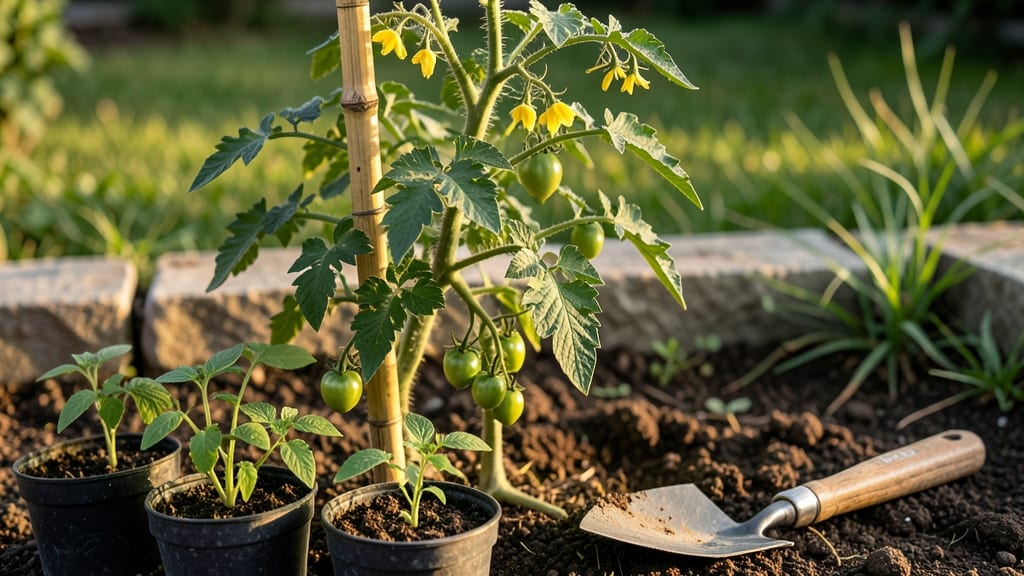
The best time to plant tomatoes in Tennessee is after your last frost date—typically mid-April for most regions, but earlier in West Tennessee and later in the mountains.
If you’ve ever wondered why your 🍅 plants underperform—or why some gardeners swear by early planting while others wait until summer—timing is everything. Plant too soon, and frost will wipe out your hard work; too late, and you’ll miss the sweet, sun-ripened harvests that make homegrown tomatoes worth the effort.
Tennessee’s USDA Zones 6a-7b mean frost dates vary wildly—from mid-March in Memphis to mid-April in Nashville and even later in the Smokies. The key is waiting until soil temperatures hit at least 60°F, which usually aligns with your last frost date.
Below, I’ll break down the exact deadlines by region, how to adjust for microclimates, and the one mistake that ruins more Tennessee tomato gardens than any other. Let’s get those plants in the ground at the perfect moment!
Tennessee’s USDA zones and exact planting deadlines for tomatoes
Tennessee’s USDA zones 6a through 7b create a diverse landscape for tomato growers, where timing can mean the difference between a bountiful harvest and a failed crop.
The state’s last frost dates vary dramatically—from mid-March in Memphis (Zone 7b) to mid-April in Knoxville (Zone 6b)—while soil temperature thresholds of 60°F or higher are non-negotiable for successful germination.
Understanding these nuances helps you avoid common pitfalls like late spring frosts in East Tennessee or heat stress in West Tennessee’s longer growing season.
For spring plantings, the window is tight: mid-April to early June after the last frost, but fall varieties can extend your harvest into late October if planted by late July.
Each zone has its own risks—Zone 6a’s (e.g., Great Smoky Mountains) unpredictable frosts demand extra caution, while Zone 7b’s (e.g., Memphis) heat can accelerate growth, requiring earlier planting to avoid blossom-end rot from inconsistent watering.
Here’s a zone-by-zone breakdown of your exact planting deadlines, including soil temperature targets, last frost dates, and harvest windows to maximize your tomato yield. Use this as your garden’s roadmap to avoid costly mistakes and ensure peak flavor and productivity.
In Zone 6a, where late frosts are common, I recommend waiting until May 10 to plant seedlings outdoors, even if the air feels warm. Use row covers or cold frames to protect young plants until May 20, when frost risk drops significantly.
For Zone 7b, you can start as early as April 1, but monitor soil temperatures closely—below 55°F can stunt root growth and delay fruiting.
One of my biggest mistakes early on was planting tomatoes in Zone 6
How to adjust planting time for Tennessee’s microclimates and soil conditions
Tennessee’s diverse landscapes—from the Great Smoky Mountains to Nashville’s urban heat islands—create unique growing conditions that demand flexibility in your tomato planting schedule. High-altitude areas like USDA Zone 6a in the mountains experience cooler soils and later frost dates, while West Tennessee’s Zone 7b can handle earlier plantings.
Even within cities, pavement and buildings trap heat, creating microclimates where tomatoes thrive weeks earlier than rural areas.
Soil type is another critical factor. Tennessee’s clay-heavy soils (common in Middle Tennessee) drain poorly, while sandy soils in East Tennessee dry out quickly. Both extremes require adjustments: amending clay with organic matter like compost or using raised beds, and mulching sandy soils to retain moisture.
Understanding these variables lets you fine-tune planting times for maximum success.
- 🏔️ High-Altitude Areas (e.g., Great Smoky Mountains): Delay planting until after May 15—soil warms slower, and frost risk lingers. Use row covers to extend the season by 2-3 weeks.
- 🏙️ Urban Heat Islands (Nashville, Memphis): Plant 2-3 weeks earlier than rural areas. Soil temps reach 60°F+ by early April, but monitor heat stress—mulch heavily to prevent root burn.
- 🏡 Clay Soils (Middle TN): Amend with 3-4 inches of compost before planting. If soil stays cold, use black plastic mulch to raise temps by 5-10°F and plant 1 week later than recommended.
- 🌱 Extending the Season: For fall plantings, use cold frames or low tunnels to push harvests into October-November. Start seeds indoors by July 1 for transplanting in early August.
For high-altitude gardens, like those in the Great Smoky Mountains, wait until the average nighttime temperature stays above 50°F for 5 consecutive days. This typically falls between May 15 and June 1, depending on elevation.
If you’re planting in Zone 6a, consider heat-loving varieties like ‘Celebrity’ or ‘Better Boy,’ which tolerate cooler soils better than heirlooms.
In urban areas, where asphalt and concrete create heat islands, soil can warm 10-15°F faster than rural soils. This means you can plant 3-4 weeks earlier than the general guideline.
However, watch for heat stress—wilting or yellowing leaves may signal the need for afternoon shade cloth. Drip irrigation is a game-changer here, keeping roots cool while delivering water directly.
If your soil is clay-based, focus on improving drainage before planting. Mix in aged compost or sand to break up compaction, and avoid working the soil when it’s wet. For sandy soils, prioritize moisture retention with organic mulch like straw or wood chips.
Both soil types benefit from raised beds, which warm up faster in spring and drain better after heavy rains.
To extend your tomato season, invest in season-extending tools like row covers or cold frames. These can add 4-6 weeks to your growing season, allowing you to plant late July transplants for a fall harvest.
Just remember: ventilate row covers during the day to prevent overheating, and remove them when flowers appear to encourage pollination.