
Plants
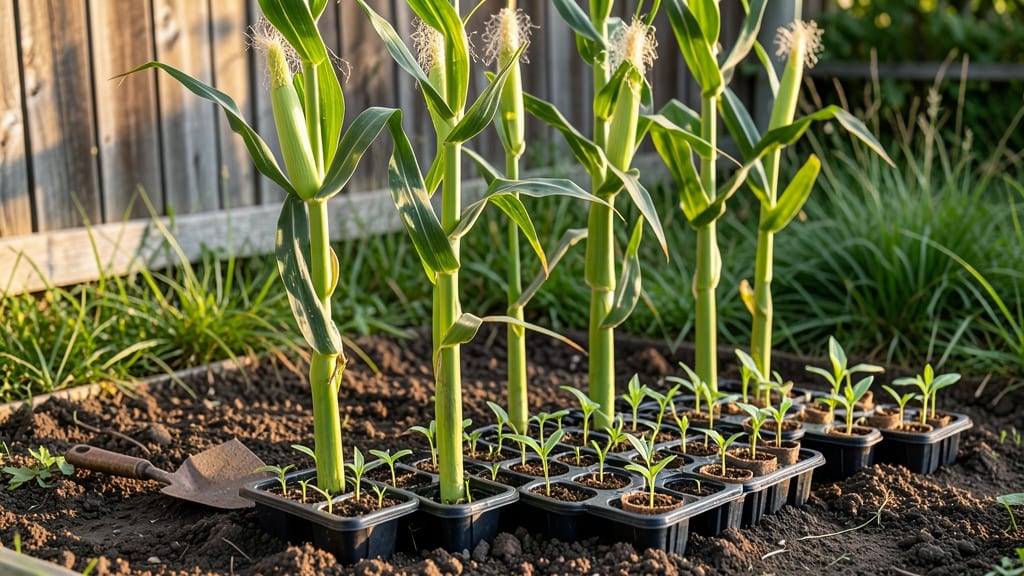
Planting sweet corn in Alabama at the right time means the difference between plump, juicy ears and a sad, stunted crop — and the window opens as soon as the soil warms to 60°F after your last frost.
Alabama gardeners know timing is everything when planting sweet corn 🌽 — get it wrong, and you risk stunted plants or even total crop failure. But with the right USDA Zone 7B-8A planting schedule, you can grow juicy, tender ears all season long.
Most Alabama counties see their last frost between mid-March and early April, but don’t rush to plant too soon. Sweet corn thrives when soil temperatures stay consistently warm, which typically means waiting until mid-April to early June for the best harvest.
Below, I’ll break down the exact planting windows for your region, the heat-resistant varieties that perform best in Alabama’s summer heat, and how to prep your soil for maximum yield.
Alabama sweet corn planting calendar: frost-free deadlines & heat-resistant variety timing
Alabama’s USDA Zones 7B-8A create a unique growing window for sweet corn—long, hot summers paired with unpredictable spring frosts. The key to success? Planting at the right time to avoid frost damage while maximizing your harvest before summer heat sets in.
In my garden, I’ve learned that heat-resistant varieties and strategic timing can extend my harvest by 4-6 weeks, giving me fresh ears from July through September.
Your planting schedule should align with last frost dates (typically mid-March to early April in Alabama) and soil temperature thresholds. Sweet corn thrives when soil reaches 60°F or warmer—planting too early in cold soil leads to poor germination and stunted growth.
I always wait until at least 2 weeks after the last frost and confirm soil temps with a soil thermometer before sowing seeds.
🌱 Alabama Sweet Corn Planting Timeline
For early-season planting (mid-April), focus on fast-maturing varieties like Silver Queen (65 days to harvest). These give you a head start but may struggle in peak summer heat.
I’ve found that planting 1-2 weeks after the recommended date often yields better results, as it aligns with warmer soil temperatures and reduces frost risk.
My mid-season strategy (late April) targets heat-tolerant varieties like Bodacious, which can handle Alabama’s 90°F+ temperatures while still producing sweet ears. This window also allows for succession planting: sow seeds every 2 weeks to stagger harvests.
I’ve extended my corn season by 6 weeks using this method, ensuring fresh ears from August through September.
Don’t overlook late-season planting (early June) for fall harvests. Varieties like Ambrosia thrive in hotter conditions and can produce ears even as temperatures climb. However, be prepared to water deeply (1-2 inches per week) to prevent drought stress.
I’ve successfully grown corn into early October using drip irrigation and mulch to retain soil moisture.
Alabama’s humidity and heat can stress sweet corn, so I prioritize well-draining soil with a pH of 6.0-7.0. Before planting, I amend my garden beds with compost and a balanced fertilizer (10-10-10) to ensure nutrients are available.
For container growing, use large pots (at least 12 inches deep) and a lightweight potting mix to prevent root bound conditions.
Pro tip: Use black plastic mulch to warm soil faster and suppress weeds. I’ve seen 5-7 day faster germination with this method, which is crucial in Alabama’s short spring window.
Pair this with shade cloth during peak afternoon heat (11 AM–3 PM) to protect young plants from sun scorch.
Remember, sweet corn is wind-pollinated, so plant in blocks (not rows) to ensure cross-pollination. For home gardens, a 4x4 foot block with 12 plants is ideal.
If you’re short on space, try bush varieties like Golden Bantam, which grow 3-4 feet tall instead of the standard 6-10 feet.
Finally, keep an eye on earworm pressure in Alabama’s humid climate. I use row covers for the first 2 weeks after planting and switch to hand-picking pests
Top 5 heat-resistant sweet corn varieties for Alabama’s hot summers & how to choose
Alabama’s scorching summers can turn sweet corn into a gamble, but the right heat-resistant varieties make all the difference. I’ve grown these top performers in USDA Zone 7B-8A, and they consistently deliver juicy, tender ears even when temperatures hit 95°F+.
The key? Choosing varieties bred for drought tolerance and disease resistance—like Silver Queen or Peaches and Cream—that thrive in Alabama’s humid, high-heat climate.
When selecting your variety, prioritize maturity time (early, mid, or late season) and garden size. A compact variety like Bodacious works well for small spaces, while full-sized varieties like Ambrosia need wider rows.
I’ll break down the best options, their unique traits, and how to match them to your Alabama garden’s conditions.
Silver Queen is my go-to for early-season planting (March-April) because it matures in just 65-70 days. Its white kernels stay tender even in heat, and it’s disease-resistant to common Alabama pests like corn earworm. However, it’s not drought-tolerant, so I pair it with consistent morning watering during dry spells. For small gardens, its 5-foot height saves space while still producing 6-8 ears per plant.
Peaches and Cream is a crowd-pleaser with its creamy yellow and white kernels, but it demands more attention. This mid-season variety (75-80 days) thrives in full sun and well-draining soil, making it ideal for raised beds in Alabama’s clay-heavy soils. The downside? It’s susceptible to smut, so I rotate crops annually and avoid planting near last year’s corn patches. Its sweet flavor makes it worth the extra care.
Bodacious is my drought-proof favorite for Alabama’s unpredictable rains. This compact variety (55-60 days) matures quickly and handles heat and humidity like a champ. Its small stature (4-5 feet) makes it perfect for containers or tight spaces, and it produces plump, golden kernels even in 90°F+ temps. The trade-off? Yields are lower per plant (4-6 ears), so I plant densely (12 inches apart) to maximize harvest.
For large gardens or high-yield goals, Ambrosia is a powerhouse. This late-season variety (85-90 days) thrives in Alabama’s long summers and produces 10+ ears per plant. Its golden kernels are sweet and juicy, but it needs rich, fertile soil and regular feeding to perform.
I’ve found it’s most successful when planted in June for a fall harvest, avoiding the peak summer heat.
If you love heirloom varieties, Golden Bantam is a short-season gem (60-65 days) that works well for early spring or late summer plantings. Its small size (4 feet) and quick maturity make it ideal for Alabama’s brief frost-free windows.
The downside? It’s not heat-tolerant beyond 85°F, so I plant it in April or September to avoid summer’s worst. Its buttery sweetness is unmatched, though!
To choose the right variety, ask yourself: What’s my garden size? When do I want to harvest? How much maintenance can I handle? For small gardens, go with Bodacious or Golden Bantam.
For sweet flavor, pick Peaches and Cream. For high yields, Ambrosia is king. And for early harvests, Silver Queen can’t be beat. 🌽