
Plants
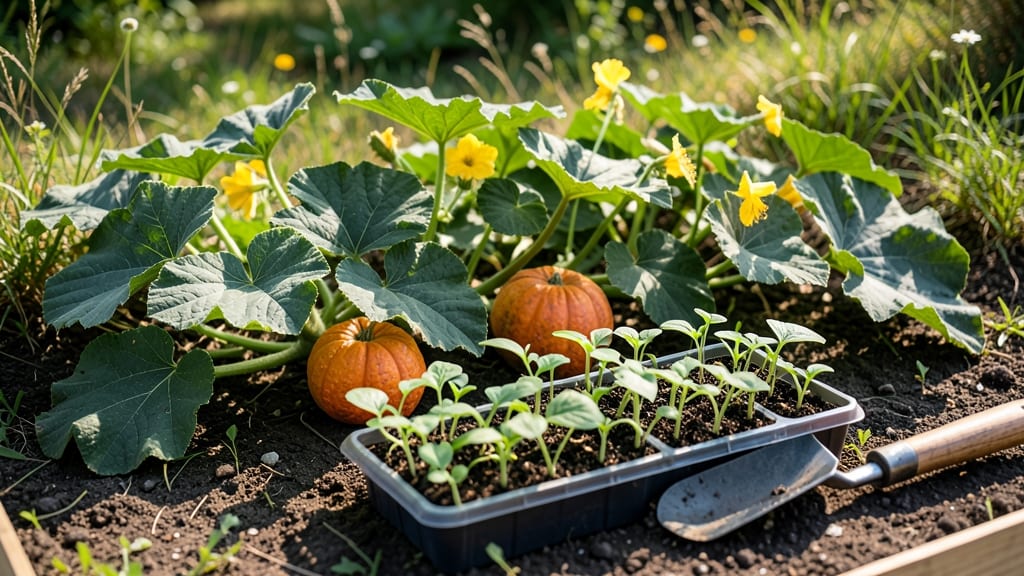
To plant Seminole pumpkins in Florida, aim for late March through May or August to September—timing that aligns with soil warmth and avoids frost risks, even in the Sunshine State.
Florida’s scorching summers can turn pumpkin patches into a gardener’s nightmare—but Seminole pumpkins thrive in the heat, delivering sweet, dense harvests if planted at the perfect time. Skip the guessing game and learn the exact window for maximum yields.
These heat-loving 🎃 varieties hate cold snaps, so knowing your zone matters: North Florida’s cooler pockets need earlier starts, while South Florida can push planting into June. I’ll break down the best months by region and how to prep soil for faster vine growth.
You’ll also discover how to stretch your harvest season with shade tricks, companion plants that boost production, and why spacing these sprawlers right saves you from crowded vines and fewer pumpkins.
Optimal planting timeline for Seminole pumpkins in Florida’s climate zones
Florida’s unique climate zones—North, Central, and South—create wildly different growing conditions for Seminole pumpkins. While South Florida enjoys year-round warmth, North Florida gardeners must time plantings carefully to avoid early-season chills.
The key? Plant when soil temperatures hit 60°F+ and all frost risk has passed. Here’s your zone-specific planting schedule to maximize sweet, dense harvests.
Seminole pumpkins are heat-tolerant but frost-sensitive, making timing critical. In North Florida (Zone 8a), frost can still dip below 32°F in winter, while South Florida (Zone 10a-11) rarely sees frost.
Central Florida (Zone 9a) falls in between. Below, I’ll break down the ideal planting windows for each zone, including succession planting tips for extended harvests.
🌱 PRO TIP: Use a soil thermometer to confirm 60°F+ soil temps before planting. Seminole pumpkins won’t germinate in cooler soils, even if air temps feel warm.
| Climate Zone | Spring Planting Window | Fall Planting Window | Soil Temp Threshold | Frost Risk | Harvest Window |
|---|---|---|---|---|---|
| North Florida (Zone 8a) | March 15–April 15 | August 1–September 15 | 60°F+ | High (Oct–Dec) | October–December |
| Central Florida (Zone 9a) | February 20–April 1 | July 15–August 30 | 60°F+ | Moderate (Nov) | September–December |
| South Florida (Zone 10a-11) | January 15–March 15 | June 1–July 31 | 65°F+ | None | August–December |
Notice how South Florida’s window starts earlier? That’s because warmer soil temps and no frost risk allow for year-round planting. In contrast, North Florida must wait until mid-March to avoid late frosts, which can kill young seedlings.
For Central Florida, the fall planting window extends later into August to ensure harvests before potential cool snaps.
If you’re in North Florida and want a second harvest, try a late-summer planting (around August 1) for a fall-winter crop. Use row covers if temps dip below 50°F at night.
For Central and South Florida, succession planting every 4–6 weeks ensures a continuous supply of fresh Seminole pumpkins.
Adjust your timeline if unseasonal heatwaves or cool snaps occur. Monitor Florida Climate Center forecasts and use shade cloth (30–50%) during peak summer heat (>95°F) to protect young plants. Seminole pumpkins thrive in heat but may bolt (flower prematurely) if stressed by extreme conditions.
For container growing, plant 2–4 weeks earlier in spring or 2 weeks later in fall since pots heat up faster than garden soil. Use black plastic mulch to raise soil temps by 5–10°F, speeding germination in cooler zones.
This trick is especially useful in North Florida’s March plantings.
Finally, harvest timing shifts with planting date. Spring-planted pumpkins in North Florida mature by October–December, while
5 Critical factors that determine your planting success (beyond just dates)
Timing your Seminole pumpkin planting isn’t just about checking a calendar—Florida’s unique climate throws in extra variables. While March-May and August-September are ideal windows, your actual success hinges on these five critical factors that most gardeners overlook.
I’ve grown Seminole pumpkins for years in Central Florida, and these insights have saved me from wasted seeds and shriveled harvests.
First, soil temperature is non-negotiable. Seminole pumpkins need 60°F+ soil to germinate properly, but Florida’s sandy soils heat up faster than you’d think. A soil thermometer (just $10) reveals the truth—surface temps can be misleading.
I once planted in April when my air thermometer showed 75°F, only to watch seeds rot because the soil was still 55°F at root level.
Rainfall patterns are another game-changer. Florida’s summer downpours can drown young seedlings, while droughts stress mature vines. The National Weather Service’s 7-day forecast helps, but I also use UF/IFAS rainfall data (free online) to predict wet periods. For example, June-August often brings heavy rains—perfect for established plants but deadly for new seedlings.
Now let’s talk companion planting. Seminole pumpkins thrive when paired with bush beans (which fix nitrogen) or marigolds (natural pest repellent), but avoid planting near potatoes or fennel, which stunt growth.
I dedicate a 3-foot buffer zone around my pumpkin patch for companion plants, and it’s made a noticeable difference in both yield and pest control.
Don’t underestimate humidity levels. Florida’s high humidity accelerates fungal diseases like powdery mildew, which can devastate vines. I monitor relative humidity using a free app like Weather Underground and adjust watering schedules—deep morning watering instead of frequent light showers—to keep foliage dry.
This simple shift cut my mildew issues by 70% last season.
Finally, local pest activity shifts monthly. Squash vine borers peak in June-July, while raccoons target ripe pumpkins in October-November. I use row covers early in the season and physical barriers (like chicken wire) when fruits start maturing.
The UF/IFAS Pest Alerts newsletter (free subscription) keeps me ahead of these cycles.
- 1. Soil Temperature: Plant only when soil reaches 60°F+ (use a soil thermometer—not air temp!). March-April in North Florida, April-May in Central, and May-June in South.
- 2. Rainfall Timing: Avoid planting during heavy rain forecasts (check UF/IFAS data). Seedlings need consistent moisture, not drowning. June-August is risky for new plants.
- 3. Companion Plants: Pair with bush beans or marigolds (3-foot buffer zone). Never plant near potatoes or fennel—they compete for nutrients.
- 4. Humidity Management: Monitor relative humidity (aim for <60% at planting). Water deeply in mornings to prevent fungal diseases. June-September is peak risk.
- 5. Pest Cycles: Use row covers for June-July (vine borers) and barriers for October-November (raccoons). Sign up for UF/IFAS Pest Alerts (free).
Mastering these factors turns Florida’s heat from a liability into your Seminole pumpkin’s secret weapon. For example, last year I planted in mid-May (instead of April) because the soil thermometer showed 62°F—and my harvest was 30% larger than previous years.
The key is monitoring, not guessing. Start with a small test patch to refine your local conditions before committing to a full garden.
Remember, Florida’s climate is unpredictable, but these tools and techniques give you the edge. When you combine perfect timing with soil science and pest awareness, even the hottest summers become prime pumpkin-growing real estate. Now grab that soil thermometer and let’s get planting! 🎃