
Shrubs
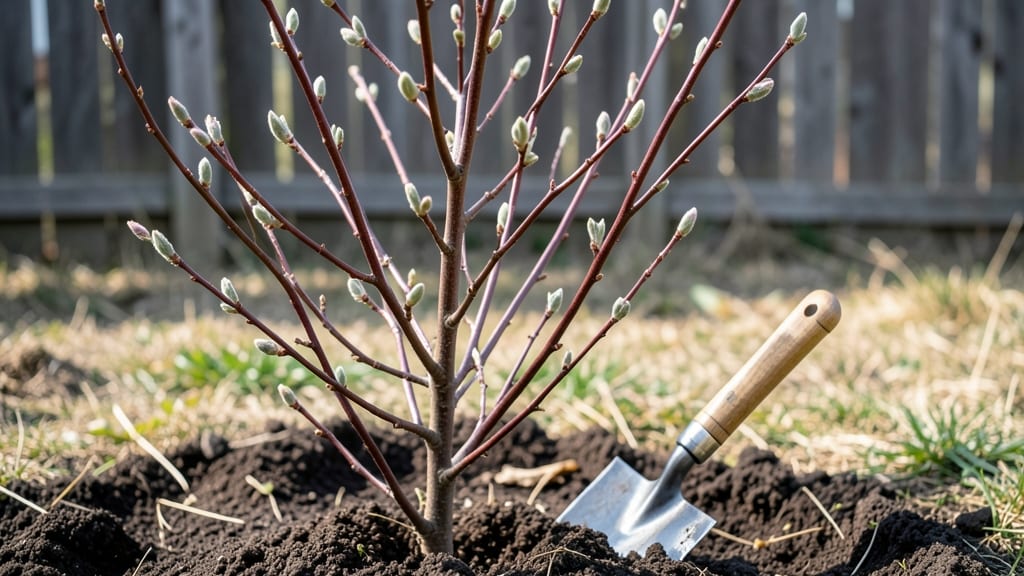
To plant shrubs in Zone 6 at the best time means choosing between early spring and early fall for strong root growth 🌿 — and getting it wrong can leave your shrubs struggling for years.
You’ve probably seen those lush, thriving shrubs in your neighbor’s yard and wondered why yours just won’t take off. The answer? Timing. Planting too early risks frost damage, while waiting too late can leave roots exposed to summer heat. In Zone 6, the window is narrow but critical.
Below, I’ll break down the ideal months for planting shrubs in Zone 6, including soil prep tips and how to adjust for your local microclimate. Whether you’re adding a hydrangea or a boxwood, knowing when to dig in makes all the difference.
You’ll also discover how to tell if your soil is ready, what to avoid after planting, and the one trick that ensures your shrubs establish roots faster than ever.
Best planting months for shrubs in Zone 6 by type
In Zone 6, where winters can dip below 0°F and summers reach 90°F+, timing your shrub planting is crucial for survival. Deciduous shrubs like hydrangeas and azaleas thrive when planted in early spring (March-April), while evergreens such as boxwoods and juniper prefer early fall (September-October).
The key is avoiding frost risks and heat stress during root establishment.
Soil temperatures in Zone 6 should ideally be between 50°F-65°F for planting. Spring planting gives shrubs 6-8 weeks of growing season before summer heat, while fall planting allows roots to establish before winter dormancy. Microclimates—like urban heat islands or shady north slopes—can shift these windows by 2-4 weeks.
Here’s how to choose the perfect time for your shrubs, broken down by type:
| Shrub Type | Best Planting Months | Soil Temp Requirement | Key Considerations |
|---|---|---|---|
| Deciduous Shrubs | March-April | 50°F-60°F | Plant after last frost (April 15 avg). Avoid late spring planting near summer heat. |
| Evergreen Shrubs | September-October | 55°F-65°F | Plant 6-8 weeks before first frost (Oct 15 avg). Mulch heavily to protect roots. |
| Broadleaf Evergreens (e.g., Rhododendron) | April-May or Sept | 50°F-65°F | Avoid summer planting; roots need moisture but hate heat. |
| Drought-Tolerant Shrubs (e.g., Butterfly Bush) | Late April or Oct | 60°F+ | Plant when soil is warm; reduce watering after establishment. |
For deciduous shrubs, like serviceberry or smoke bush, early spring planting ensures they establish roots before summer dormancy. These shrubs can handle light frost but struggle with heat stress when planted in late spring. Test soil moisture—if it’s still frozen or soggy, wait.
Evergreen shrubs, such as arborvitae or inkberry holly, need well-draining soil and acidic pH (5.0-6.0) for fall planting. In Zone 6, aim to plant by mid-October to allow roots to harden off before winter. If your microclimate runs cooler (e.g., high elevation), shift planting to late September.
Regional adjustments matter: In northern Zone 6a (e.g., Chicago), plant evergreens by September 15 to avoid early frosts. In southern Zone 6b (e.g., Atlanta), extend fall planting to early November—just ensure soil temps stay above 45°F. Use a soil thermometer to check.
Container-grown shrubs can be planted 2-3 weeks earlier than bare-root varieties, as their roots are less stressed. For bare-root shrubs, soak roots for 1-2 hours before planting in spring. In fall, plant bare-root evergreens 4-6 weeks before frost to prevent desiccation.
Watch for late-season heatwaves in spring or unseasonable cold snaps in fall—both can shock young shrubs. If temperatures drop below 32°F within 2 weeks of planting, protect with burlap wraps or mulch blankets.
In urban areas, heat islands can delay frost, so adjust planting dates 1-2 weeks later.
Pro tip: Mark your planting calendar with local frost dates and soil temp trends. For example, hydrangeas in Zone 6b can handle late spring planting (May) if you water deeply and mulch heavily. But evergreens like juniper will suffer needle burn if planted too late.
Remember, <
How to prepare your Zone 6 garden for shrub planting success
Preparing your Zone 6 garden for shrubs isn't just about digging a hole—it's about creating the perfect foundation for strong root development and long-term health. Zone 6's variable climate means your soil prep must account for both spring warmth and fall chill.
Start by testing your soil's pH balance and organic matter content, as most shrubs thrive in slightly acidic to neutral soil (pH 6.0-7.0). If your soil is heavy clay or sandy, amendments will be key to replicating the ideal loamy texture that retains moisture without suffocating roots.
Timing your soil prep is just as critical as planting timing. For spring planting, begin soil amendments in late winter (February) to allow microbes time to break down organic matter.
If planting in fall, focus on soil prep in early September to give roots time to establish before winter dormancy. Remember, well-prepared soil can mean the difference between a shrub that struggles and one that thrives for decades.
Step-by-Step Soil Prep for Zone 6 Shrubs
- Test Soil: Use a home soil test kit to check pH and nutrient levels. Zone 6 shrubs prefer pH 6.0-7.0.
- Loosen Soil: Dig a 12-18" deep hole (twice as wide as root ball) to improve drainage and aeration.
- Amend Soil: Mix in 3-4 inches of compost or aged manure for organic matter.
- Adjust pH: Add lime (to raise pH) or sulfur (to lower pH) if needed, following package instructions.
- Improve Drainage: For clay soil, blend in coarse sand or perlite. For sandy soil, add peat moss.
- Plant & Mulch: Place shrub, backfill with amended soil, and add 2-3" of mulch to retain moisture.
When planting, spacing guidelines are often overlooked but critical for shrub health. Most shrubs need 3-6 feet of space between plants to allow for proper airflow and root expansion.
Dwarf varieties can be spaced as close as 2-3 feet, while larger shrubs like hydrangeas or lilacs may require 8-10 feet of clearance. Always check the mature size of your chosen shrub and plan accordingly—crowding leads to disease pressure and stunted growth.
After planting, mulching is non-negotiable in Zone 6's temperature swings. Apply a 2-4 inch layer of organic mulch (like shredded bark or straw) around the base of your shrub, keeping it 2-3 inches away from the stem to prevent rot.
Mulch helps retain soil moisture during summer heatwaves and insulates roots during winter freezes. For extra protection in Zone 6's colder microclimates, consider adding a thick layer of straw mulch in late fall.
Don't forget about post-planting watering, which is essential for root establishment. Water deeply immediately after planting to eliminate air pockets in the soil. Then, maintain consistent moisture (about 1 inch per week) for the first 4-6 weeks, adjusting for rainfall.
In Zone 6's hot summers, you may need to water 2-3 times per week, while fall and spring typically require less frequent watering. Always water at the base of the plant, not overhead, to reduce disease risk.
Finally, consider adding a slow-release fertilizer at planting time to give your shrubs a nutrient boost as they establish. Look for a balanced formula (10-10-10) or one with slightly higher phosphorus (10-20-10) to encourage root development.
Avoid heavy fertilizing in the first year, as it can overstimulate top growth at the expense of root strength. With these steps, your Zone 6 shrubs will have the perfect foundation for a lifetime of growth and beauty. 🌿