
Plants
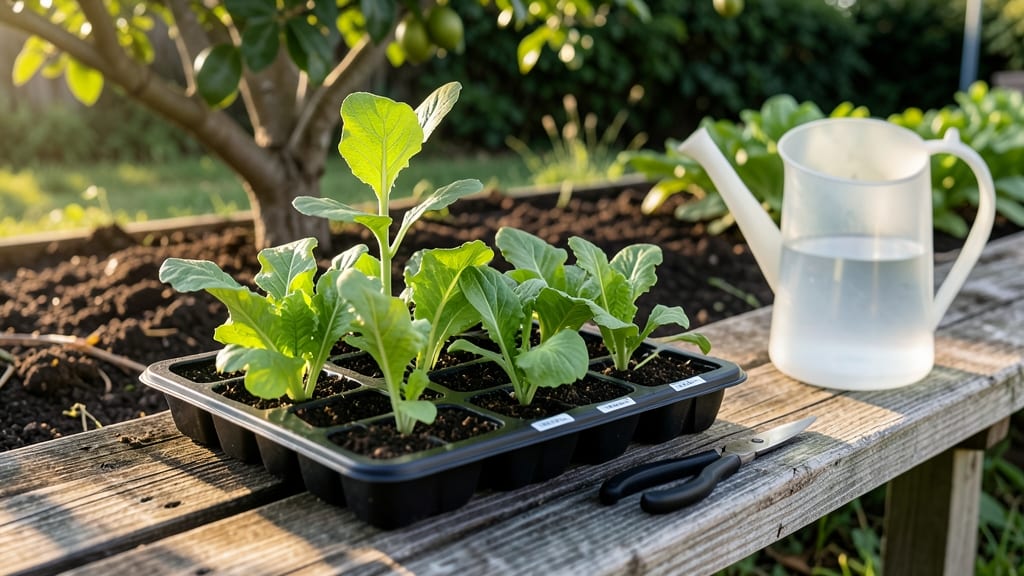
Planting veggies in Northern California at the right time means the difference between a garden that thrives and one that struggles against the region’s unpredictable weather.
Northern California’s diverse microclimates—from coastal fog to inland heat—can turn gardening into a high-stakes guessing game if you plant at the wrong time. But mastering these regional deadlines means the difference between a thriving harvest and wasted seeds.
Whether you’re in the cool coastal zones of San Francisco or the warmer valleys near Sacramento, timing is everything. Too early and your veggies 🌱 will bolt in the heat; too late and a late frost will wipe them out before they even sprout.
Inside, I’ll break down the exact planting windows for cool-season and warm-season crops, plus how to adjust for your specific microclimate—so you can start seeds, transplant with confidence, and enjoy a harvest that lasts all summer and fall.
Northern California planting zones: coastal vs. Bay Area vs. Sacramento Valley deadlines
Northern California’s gardening calendar isn’t one-size-fits-all—it’s more like three distinct playbooks. The coastal fog belt (think San Francisco and Monterey) plays by different rules than the Bay Area’s urban microclimates (Oakland, Berkeley) or the Sacramento Valley’s hot inland zones (Sacramento, Stockton).
Even a 20-mile drive inland can shift your frost dates by weeks, turning a perfect spring planting window into a risky gamble. Understanding these regional deadlines is your secret weapon for avoiding frost-killed seedlings or bolting heat-sensitive crops.
Let’s break down the three key regions: coastal areas with their chilly, foggy springs; the Bay Area’s transitional zones where urban heat islands create pockets of warmth; and the Sacramento Valley’s hotter inland climate where summer heat arrives early.
Each has its own last spring frost and first fall frost dates, which directly dictate when to plant cool-season crops (like broccoli and peas) versus warm-season crops (like tomatoes and peppers).
Here’s the game-changer: coastal areas can plant lettuce in early March, while Sacramento gardeners wait until mid-April to avoid frost. The Bay Area falls somewhere in between, but even there, a 5-mile elevation change can mean the difference between success and failure.
Below, you’ll find exact planting windows tailored to each microclimate, so you can finally stop guessing and start growing with confidence.
For coastal gardeners, the key is patience. The foggy marine layer keeps soils cool longer, so don’t rush to plant tomatoes or peppers until after May 1st. Instead, focus on fast-growing crops like radishes and spinach in early spring.
I once planted cucumber seeds in late April on the coast, only to watch them rot in the damp, chilly soil—until I learned to wait until mid-May when soil temps hit 60°F.
In the Bay Area, urban heat islands create microclimates where Sacramento’s planting windows might apply to your backyard while your neighbor’s garden—just a block away—still feels like coastal territory. Test your soil temperature with a soil thermometer (aim for 65°F for warm-season crops) before planting.
For example, Oakland’s flatlands can handle peppers in early April, but Berkeley Hills gardeners should wait until mid-April.
The Sacramento Valley is where summer arrives early and heat-sensitive crops like lettuce bolt faster. Plant cool-season crops like broccoli and cabbage in late winter (February) for a spring harvest, then shift to heat-tolerant varieties (like ‘Heatmaster’ tomatoes) by mid-May.
I’ve seen zucchini flowers drop by July 4th if planted too late—so time your warm-season crops to mature before the first fall frost.
Don’t overlook succession planting, especially in the Sacramento Valley where the growing season is shorter. For example, sow bush beans every 2 weeks from May to July to stretch your harvest until September. On the coast, you can squeeze in two rounds of peas: one in
Best vegetables to plant by month in Northern California (with microclimate adjustments)
Northern California’s diverse microclimates mean your San Francisco garden can thrive with cool-season crops while Sacramento gardens bask in summer heat. Timing is everything—plant lettuce too late, and it bolts; delay tomatoes until June, and you’ll miss the harvest window.
Let’s break it down by month, with adjustments for coastal fog, Bay Area warmth, and inland valleys.
For fast-growing crops like radishes and spinach, coastal areas can start in September, while inland zones wait until October. Heat-lovers like peppers and eggplants thrive when soil hits 60°F+, typically May-June inland but June-July near the coast.
Cold-hardy kale and carrots? Plant them 8-10 weeks before first frost—August-September for most regions.
🌱 Urban gardeners in San Francisco or Oakland can extend seasons with row covers or greenhouses, while high-desert areas like Lake Tahoe may need to plant 2-3 weeks later due to cooler nights. Always check your local frost dates—coastal zones often have later last frosts (May 15) than inland (March 15).
| Month | Coastal (SF/Mont) | Bay Area (Oak/Napa) | Inland (Sac/Stock) | High Desert |
|---|---|---|---|---|
| Jan-Feb | Peas, Spinach, Lettuce | Peas, Spinach, Kale | Onions, Garlic, Carrots | Garlic, Potatoes |
| Mar-Apr | Radishes, Broccoli, Beets | Lettuce, Radishes, Beans | Tomato starts, Peppers (indoor) | Peas, Spinach |
| May-Jun | Tomatoes, Peppers, Cucumbers | Tomatoes, Eggplant, Corn | Tomatoes, Peppers, Okra | Tomatoes, Peppers (later) |
| Jul-Aug | Succession Plant Lettuce | Green Beans, Zucchini | Green Beans, Squash | Green Beans, Potatoes |
| Sep-Oct | Kale, Carrots, Radishes | Kale, Broccoli, Spinach | Onions, Garlic, Peas | Spinach, Lettuce |
For urban container gardens, prioritize compact varieties like bush beans or dwarf tomatoes. In high-desert zones, extend seasons with black plastic mulch to warm soil faster. Always harden off seedlings for 10-14 days before transplanting—especially in coastal windy areas.
Pro tip: Succession plant lettuce every 2 weeks from March-October to avoid bolting. And if your tomatoes flower but don’t fruit? It’s likely nighttime temps below 55°F—common in coastal regions. Use row covers to protect them.
With these microclimate adjustments, you’ll turn wasted seeds into bountiful harvests—no matter where you garden in Northern California. Happy planting! 🌱