
Plants
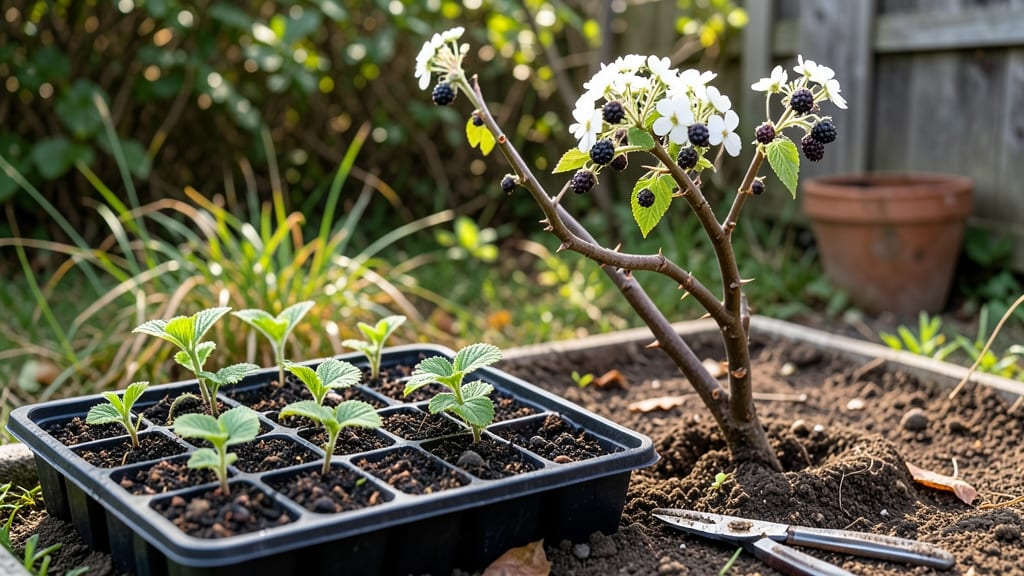
Planting blackberries in Tennessee at the wrong time can turn your 6a-7b garden into a battleground against pests and unpredictable frost.
Picture this: you’ve just planted your 🫐 canes in early spring, only to watch them wilt under a late frost or struggle in the heat before they even take root. Tennessee’s climate demands precision—so when exactly should you plant for a thriving patch?
The answer lies in two key windows: late winter to early spring (February–March) or fall (September–October). Each has its advantages, but timing wrong means slower growth, fewer berries, or even plant loss.
I’ll walk you through the best approach for your zone, including soil prep and variety tips to keep your blackberries healthy all season.
By the end, you’ll know not just when to plant, but how to set your blackberries up for success—so you can enjoy that first harvest from June to August without the guesswork.
Best planting windows for blackberries in Tennessee’s USDA zone 7b climate
Tennessee’s USDA Zone 7b climate offers two ideal windows for planting blackberries: early spring and fall. Each season brings unique advantages, but timing is critical to avoid stunted growth or pest invasions.
In my experience, fall planting (September-October) often gives blackberries a head start, while early spring (February-March) allows for better root establishment before summer’s heat. Let’s break down the best times and what to watch for.
Blackberries thrive when planted during cooler months when soil temperatures stay below 75°F (24°C). In Tennessee, this means avoiding late spring or summer plantings, which can stress young canes.
The last average frost date in most of Tennessee is around March 15, so planting after this date gives your blackberries time to establish roots before summer’s intensity. Conversely, fall planting should wrap up by October 15 to allow roots to settle before winter dormancy.
Here’s a quick comparison to help you decide which window works best for your schedule and garden conditions:
| Planting Window | Ideal Months | Soil Temp | Key Advantages | Risks to Avoid |
|---|---|---|---|---|
| Early Spring | February-March | 45-65°F (7-18°C) | Longer growing season, fewer pests | Late frosts, slow root growth |
| Fall | September-October | 55-70°F (13-21°C) | Established roots before winter, fewer weeds | Early winter cold, limited time for root growth |
For early spring planting, aim to get your blackberries in the ground by mid-March to avoid the risk of late frosts, which can damage tender new growth.
I’ve found that planting in well-amended soil during this window gives canes enough time to establish roots before Tennessee’s summer heat kicks in. Start by preparing your soil with compost and organic matter to improve drainage, as blackberries hate soggy roots.
If you prefer fall planting, focus on the first two weeks of October when soil temperatures begin to cool. This timing allows roots to grow before the ground freezes, giving your blackberries a stronger start in spring.
In my garden, I’ve seen fall-planted blackberries produce fruit earlier in the season than spring-planted ones. Just be sure to mulch heavily (4-6 inches) with straw or wood chips to insulate roots during winter.
One common mistake I see in Tennessee gardens is planting blackberries in late spring or summer. The intense heat and humidity can stress young canes, making them more susceptible to root rot and fungal diseases.
If you miss the ideal windows, consider container planting to give your blackberries more control over their environment. Containers also make it easier to move plants if pests like spotted wing drosophila become an issue.
Another critical factor is soil preparation. Tennessee’s clay-heavy soils can be challenging for blackberries, which prefer well-draining, slightly acidic soil (pH 5.5-6.5). Before planting, I recommend testing your soil and amending it with sand or peat moss to improve drainage.
Add a 2-3 inch layer of compost to the planting hole and mix it with native soil to create a nutrient-rich environment for your new canes.
When planting, space your blackberries 3-4 feet apart in rows 6-8 feet apart to allow for proper air circulation and future growth. This spacing also makes it easier to prune and harvest without damaging the canes.
In Tennessee’s humid climate, good air flow is essential for preventing mold and mildew, which can devastate a blackberry patch.
Finally, watering is key in the first 4-6 weeks after planting. Keep the soil consistently moist but not waterlogged, especially during Tennessee’s hot, dry summers.
I’ve had the best success with drip irrigation, which delivers water directly to the roots without wetting the foliage—reducing the risk of fungal diseases. Mulch around the base of the plants to retain moisture and suppress weeds, which can compete with young blackberries for nutrients.
With the right timing and care, your blackberries will reward you with juicy, flavorful fruit for years to come. Whether you choose early spring or fall planting, following these guidelines will help you avoid common pitfalls and set your bramble patch up for success in Tennessee’s unique climate.
Happy planting! 🫐🌱
How to prepare Tennessee soil for blackberry planting success
Tennessee’s clay-heavy soils and humid climate create unique challenges for blackberry growers. These conditions can lead to poor drainage and compacted roots, which stunt plant growth or invite fungal diseases.
The key to success lies in amending your soil 3-4 months before planting to create an ideal environment for your blackberries.
Blackberries thrive in well-draining, slightly acidic soil with a pH between 5.5 and 6.5. Tennessee’s native soils often fall outside this range, so testing and adjusting your soil is critical.
Start by collecting samples from 6 inches deep and sending them to your local Cooperative Extension Service for analysis. This will reveal your soil’s current pH and nutrient levels.
⚠️ callout-warning ⚠️
⚠️ Warning: Avoid Planting in Wet Soil
Tennessee’s spring rains can turn garden beds into waterlogged zones, suffocating blackberry roots. Never plant when soil is soggy—wait until it’s crumbly and moist (like a damp sponge). For fall planting, aim for September-October when soil temps stay above 60°F but nights cool to 50°F.
Pro Tip: If your soil drains poorly, create raised beds with a 12-inch deep mix of native soil, compost, and coarse sand (50/30/20 ratio). This mimics ideal blackberry growing conditions while preventing root rot.
To improve drainage and aeration, mix in 2-3 inches of organic matter like composted leaves, well-rotted manure, or peat moss. For clay-heavy soils, incorporate coarse sand or perlite (1 part sand to 3 parts soil) to break up compaction.
Work these amendments into the top 12 inches of soil using a broadfork or tiller—avoid disturbing deeper layers to preserve beneficial soil microbes.
Blackberries also benefit from a balanced fertilizer applied at planting time. Use a 10-10-10 NPK ratio (like 5-5-5 for organic options) at a rate of 1 cup per 10 square feet.
Spread it evenly over the planting area and lightly rake into the top inch of soil. This provides essential nutrients without overwhelming young roots, which are sensitive to high salt concentrations.
Once your soil is amended, create a mulch ring around your planting area using 4-6 inches of straw or wood chips. Mulching serves three critical purposes: it retains moisture, suppresses weeds, and regulates soil temperature.
For Tennessee’s climate, apply mulch after the last frost date in spring or before the first frost in fall to protect roots from temperature swings.
Finally, consider installing a drip irrigation system to deliver water directly to the root zone. Blackberries need 1-1.5 inches of water weekly, but Tennessee’s heat can evaporate moisture quickly.
Drip systems prevent foliar diseases by keeping leaves dry while ensuring roots stay consistently moist—critical for fruit development and cane strength.