
Plants
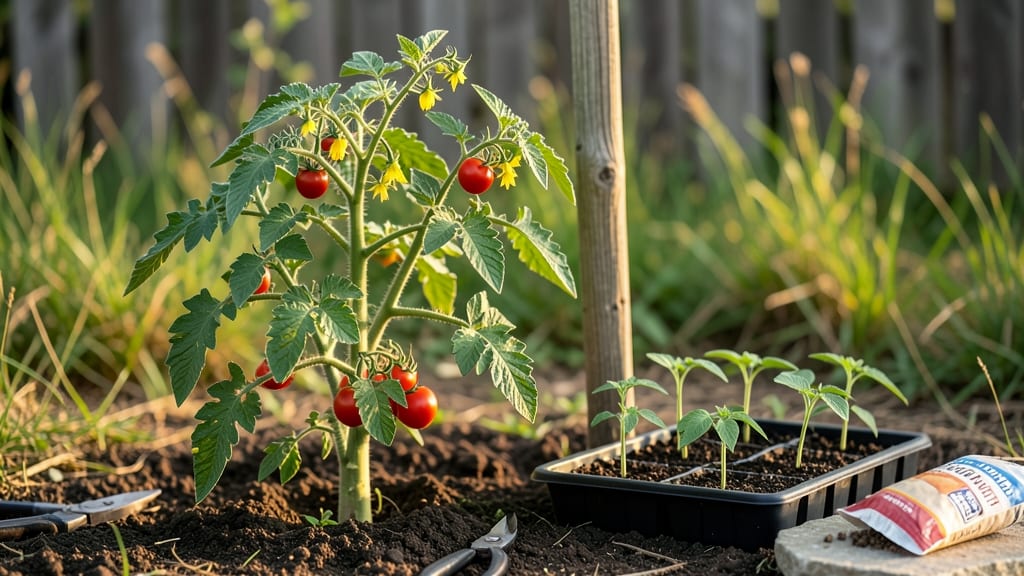
Planting tomatoes in New York at the right time means the difference between a bountiful harvest and a sad, frost-nipped vine.
New York’s diverse microclimates—from the Hudson Valley’s cool springs to Long Island’s delayed frosts—can make or break your tomato harvest if you plant at the wrong time. Get the exact dates tailored to your region to maximize yield and avoid common mistakes.
Most of the state falls in USDA zones 5b-6b, but even within those zones, your last frost date can shift by weeks. Upstate gardeners often wait until mid-May, while NYC and Long Island may see safer soil temps by early April.
I’ll break down the microclimate-smart approach, including when to start seeds indoors and when to transplant outdoors for your specific corner of New York.
You’ll also learn how to adjust for late frosts, heatwaves, and soil temperature fluctuations—plus the best tomato varieties for your zone. Whether you’re a first-time gardener or a seasoned pro, these tips will help you avoid costly mistakes and enjoy a garden full of ripe, flavorful tomatoes.
NY planting zones & microclimate-specific tomato planting dates
New York’s USDA planting zones 4-7 create a patchwork of microclimates where tomato planting dates can vary by weeks or even months. Upstate regions like Albany (Zone 5b) face earlier frosts than Long Island (Zone 7b), while NYC’s urban heat islands can delay last frosts by 10+ days.
Understanding these nuances ensures your tomato seedlings thrive—not wilt—from soil temperature swings.
Most gardeners in NY start tomatoes indoors by late March (6-8 weeks before last frost) but must adjust transplant dates based on local frost-free averages. For example, Buffalo’s Zone 6a typically waits until May 15, while Hudson Valley’s Zone 5b often holds off until May 25.
Direct-sowing dates shift even more: Long Island’s Zone 7b can start seeds outdoors by April 20, but Adirondack’s Zone 4b must wait until June 1.
Here’s the critical factor: soil temperature. Tomatoes need 60°F+ soil to germinate and grow. In Upstate NY, this often means waiting until late May, while downstate may hit that mark by mid-April.
Urban gardens with concrete heat absorption can warm faster, but rural areas with organic soil may lag behind. Always check Cornell Cooperative Extension’s frost maps for your specific ZIP code.
For direct-sown tomatoes, the window is narrower. Seeds need consistent warmth to avoid damping-off disease, so Upstate gardeners often skip this method entirely. Instead, they opt for early-start seedlings (started March 1–15) or heat-loving varieties like 'Solar Fire' that tolerate cooler soils.
Downstate growers, however, can direct-sow as early as April 15 in Zone 7b, thanks to warmer coastal breezes.
Pro tip: Use black plastic mulch to raise soil temperatures by 5–10°F, letting you plant 2 weeks earlier in cooler zones. In Zone 5b, this can shift your transplant date from May 25 to May 10.
Pair this with row covers for an extra 2–3 weeks of frost protection if late springs threaten. Always monitor your local Almanac
How to adjust planting dates for NY’s unpredictable weather patterns
New York’s unpredictable spring weather can throw off even the most experienced gardeners. A late frost in May or a sudden heatwave in April means your tomato seedlings could be at risk if planted too early.
The key is flexibility—knowing when to delay planting, use protective gear, or adjust your timeline entirely.
For example, my Upstate NY garden saw a late frost in mid-May last year, wiping out my early tomato transplants. This year, I’m using staggered planting and row covers to hedge my bets. The same strategy works for Long Island’s coastal delays or urban heat islands in NYC.
If you notice these warning signs, hold off on planting outdoors until conditions improve:
- Nighttime temps below 50°F for 3+ nights in a row (tomatoes need warmth to thrive).
- Frost warnings in your area’s 10-day forecast (check National Weather Service alerts).
- Soil temps under 60°F (use a soil thermometer—cold soil stunts root growth).
- Unseasonably wet or muddy soil (root rot risk increases when soil stays soggy).
- Sudden heatwaves above 90°F before plants are established (stresses young seedlings).
Action: Extend seedlings under grow lights or move pots to a sunny indoor spot until outdoor conditions stabilize.
One of my go-to strategies is staggered planting. Instead of putting all my tomato seedlings in the ground at once, I plant one batch every 2 weeks from late April through early June.
This ensures a continuous harvest—even if the first batch gets hit by a late frost or early blight. For determinate varieties like ‘Roma,’ I’ll plant the last batch in early June to ripen before the first frost.
For heat-sensitive varieties, I use shade cloth during the hottest afternoons (especially in Long Island or NYC, where urban heat can spike temps). A 30% shade cloth reduces stress while still allowing enough light for growth. Pair this with drip irrigation to keep roots cool and moisture consistent.
If you’re in Zone 5b (Upstate NY), consider using a cold frame to get a 2-3 week head start on your seedlings. My cold frame (a simple Plexiglas box over a raised bed) lets me transplant 4-6 weeks earlier than the traditional last-frost date.
Just remove the cover once soil temps hit 60°F consistently.
Don’t forget to monitor your local microclimate. Urban areas like Buffalo or Albany often warm up faster than rural spots due to concrete and asphalt. Use a home weather station or check Cornell Cooperative Extension alerts for real-time updates.
When in doubt, wait an extra week—your tomatoes will thank you with bigger, sweeter fruit.
Pro tip: Keep a planting journal to track when you adjust dates and the outcomes. Last year, my June 1 planting of ‘Solar Fire’ tomatoes yielded just as much as my May 15 batch—proving that flexibility is the name of the game in NY’s changeable climate. 🌱