
Plants
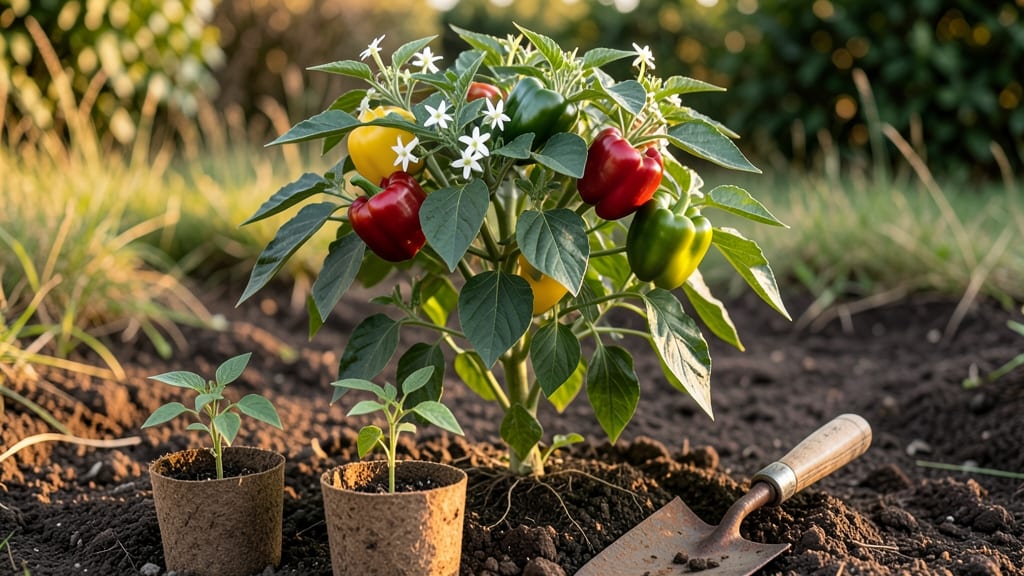
Planting peppers in New York at the right time means the difference between a bumper crop and a wasted season—and the clock starts ticking after your last frost, which varies wildly across the state.
Picture this: You’ve nurtured your 🌶️ pepper seedlings indoors for weeks, only to watch them crisp in a late April frost because you missed the window by a week.
Or worse, you plant too late and your heat-loving peppers never mature before the first frost hits in October. The stakes are high, but the solution is simple: timing.
New York’s USDA Zones 5b-7a stretch from the chilly Adirondacks to the slightly warmer Hudson Valley, and each microclimate demands its own strategy.
Whether you’re in Upstate New York, Long Island, or the Bronx, knowing your frost-free date is the key to a successful harvest—along with soil temperature tricks to give peppers the warm start they crave.
In this guide, I’ll break down the exact planting windows for your region, when to start seeds indoors, how to protect young plants from late frosts, and which pepper varieties thrive in New York’s short but sweet growing season. Ready to turn your garden into a spicy success?
New York pepper planting calendar: frost-free dates by region
New York’s diverse climate means your pepper planting window can shift by weeks depending on where you live. Upstate gardeners in the Adirondacks face earlier frosts, while NYC’s urban heat island delays last frosts by up to 2 weeks.
Below, I’ve broken down the frost-free dates and ideal planting windows for every region—plus microclimate tweaks to protect your plants.
Peppers are heat-loving annuals that need soil temperatures above 60°F to thrive. Starting too early risks frost damage, while waiting too long cuts your harvest season short. The key? Time your plantings to align with your region’s average last frost date—but always check your local weather forecast for adjustments.
🌱
For Upstate NY, where frosts linger into May, I recommend starting peppers indoors in early March and using black plastic mulch to warm the soil faster. In NYC and Long Island, the urban heat island effect can push your planting window back by 1–2 weeks—so don’t rush!
Test soil temperature with a thermometer; peppers won’t germinate below 60°F.
If you’re growing chili peppers, which need even more heat, aim for the later end of your region’s window. Varieties like ‘Jupiter’ or ‘Carolina Wonder’ tolerate cooler temps better than delicate bell peppers.
For extra insurance, harden off seedlings gradually by placing them outdoors for 2–3 hours daily starting 1 week before transplanting.
🌡️
Pro tip: Use floating row covers to protect seedlings from unexpected late frosts (common in USDA Zone 5b areas like the Adirondacks). Remove covers once plants are established to prevent overheating.
And if your region’s frost-free date feels too risky, consider container gardening—you can move pots to sheltered spots or even indoors during cold snaps.
Remember, these dates are averages. Check the National Weather Service or local Cooperative Extension office for real-time updates. A late April frost in Western NY can wipe out unprotected plants, while a warm May in NYC might let you plant peppers as early as mid-April.
☀️
How to extend your pepper growing season in New York
New York’s short growing season often cuts pepper harvests short, but with the right strategies, you can enjoy fresh peppers well into October. The key is combining season-extending tools with fast-maturing varieties that thrive in cooler conditions.
I’ve tested these methods in my Zone 6b garden—here’s what works best for pushing your harvest timeline.
Start by selecting heat-loving but cold-tolerant varieties like ‘Carolina Wonder’ (90 days) or ‘Jupiter’ (70 days). These handle 55°F nights better than standard peppers, giving you a 2-3 week advantage in cooler regions. Pair them with season extenders to maximize your yield.
🌱 Season Extender Pros & Cons
| Method | Pros | Cons | Best For |
|---|---|---|---|
| Cold Frames | Extends season by 4-6 weeks, protects from light frosts | Requires daily monitoring; can overheat | Upstate NY (Zone 5-6) |
| Row Covers | Lightweight, increases temps by 5-8°F, easy to remove | Limits airflow (fungus risk if humid) | Hudson Valley (Zone 6-7) |
| Succession Planting | Staggered 3-week intervals ensures continuous harvest | Requires extra space; needs consistent water | Long Island (Zone 7a) |
| Black Plastic Mulch | Warms soil 10°F faster; suppresses weeds | Must remove before first frost to avoid rot | All regions (soil temp focus) |
For Upstate NY gardeners, cold frames are your best bet. I’ve used them to harvest ‘Carolina Wonder’ peppers until mid-November in Zone 5b. Install the frame by late August to give plants time to acclimate. Ventilate daily to prevent overheating—peppers wilt quickly in temps above 90°F.
In Hudson Valley or NYC, row covers work wonders. Stretch floating row cover fabric over plants after mid-September to shield them from 32°F frosts. Remove covers during the day if temps rise above 75°F to prevent heat stress.
Pair this with ‘Jupiter’ peppers, which mature in just 70 days—perfect for late starts.
Don’t overlook succession planting for a steady harvest. Sow ‘Early California Wonder’ (60 days) every 3 weeks from late May through early July. This ensures peppers ripen at different times, extending your harvest window by 6-8 weeks. Just be prepared for more weeding with frequent plantings.
My #1 pro tip: Combine methods for maximum results. Use black plastic mulch to warm soil early, then add a row cover in late summer. This double protection lets me grow peppers until Thanksgiving in most of NY.
Just remember—peppers need full sun year-round, so place them in the suniest spot possible.
With these strategies, you’ll turn New York’s short season into a pepper powerhouse. Start experimenting this year—your taste buds (and neighbors) will thank you! 🌱🌶️