
Plants
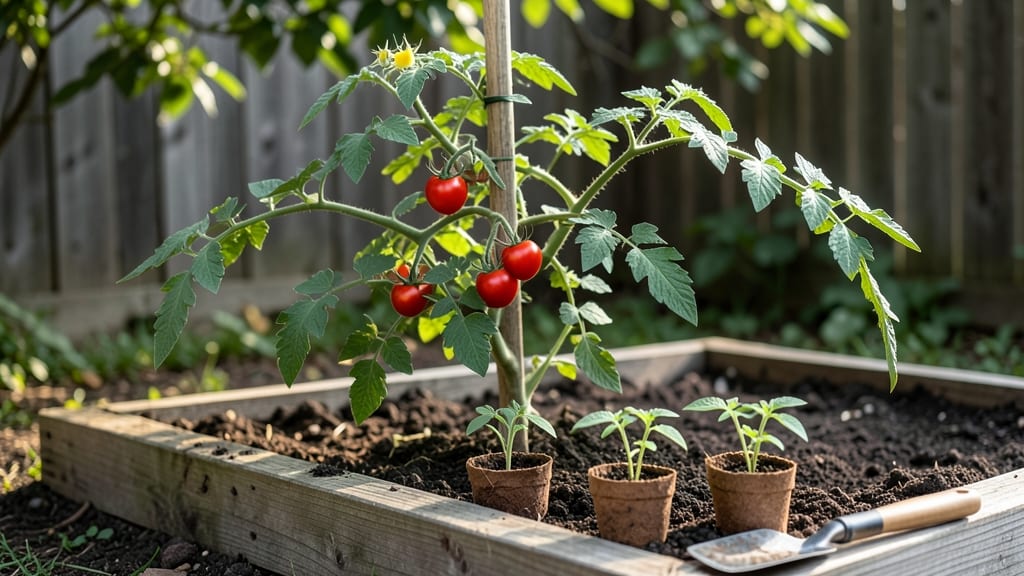
Planting tomato plants in Pennsylvania after the last frost—typically April 20—is the key to avoiding frost damage and maximizing your 🍅 harvest.
Pennsylvania gardeners know timing is everything—plant tomatoes too early, and frost will kill them; too late, and you’ll miss the summer harvest. But with USDA Zones 5-7’s unpredictable spring weather, when exactly should you put those seedlings in the ground?
Soil temperature matters just as much as frost dates: wait until it hits 60°F for roots to thrive. In Zone 6a (like much of central PA), that often means mid-May, while cooler Zone 5 areas might need to wait until early June.
Below, I break down the exact planting windows by zone, how to extend your season with row covers, and the 3 biggest mistakes that ruin PA tomato yields—so you can plan with confidence.
Pennsylvania tomato planting dates by USDA Zone (5-7) for maximum yield
Pennsylvania’s USDA Zones 5-7 create a tricky balance for tomato growers. Too early, and a late frost will wipe out your seedlings. Too late, and you’ll miss the summer harvest window. The key?
Planting after the average last frost date—but also ensuring soil temperatures hit 55°F+ for root growth. In Zone 5, this often means waiting until mid-May, while Zone 7 gardeners can start as early as late April.
Microclimates add another layer. Cities like Philadelphia (Zone 7a) warm up faster than rural areas, while Pittsburgh (Zone 6b) can experience sudden cold snaps. Even within 50 miles, planting dates can shift by 2-3 weeks.
That’s why I always check local weather forecasts and monitor soil temps with a soil thermometer—it’s the only way to nail the perfect timing.
Here’s your zone-by-zone breakdown of ideal planting windows, including adjustments for direct sowing vs. transplants and when to use row covers for early starts. Use this as your guide to avoid the most common mistakes.
For transplants, harden them off for 7–10 days before planting. If you’re direct sowing, wait until soil temps are consistently 60°F+—cold soil stunts seedling growth. Pro tip: Use a soil thermometer to avoid guessing.
I’ve seen gardeners plant too early because they assumed the air was warm enough, only to lose seedlings to chilly nights.
Heatwaves are another Pennsylvania wildcard. In Zone 7, July temps can hit 90°F+, stressing plants. To prep, I always mulch heavily with straw and water deeply in the morning to keep roots cool.
For late-season planting (after June 15), choose heat-tolerant varieties like ‘Solar Fire’ or ‘Heatmaster.’ These can handle the humid PA summers better than standard types.
Don’t forget staggered planting. By setting out two batches 2–3 weeks apart, you’ll extend your harvest from July through October. This works especially well in Zone 5, where a late frost can delay the season.
Start your first batch at the earliest safe date, then follow up with a second round if your first plants bolt from heat.
If you’re in a microclimate—like a south-facing slope or urban heat island—adjust your timeline by 1–2 weeks earlier. These spots warm up faster, giving you a head start.
Conversely, valleys or shaded areas may need a delay of 10–14 days. Always scout your garden for frost pockets where cold air settles.
Finally, watch for false springs. A warm March or April can trick you into planting early, only for a late frost in May to wipe out your crop. I’ve learned the hard way—always have row covers ready to protect seedlings if a cold snap hits.
When in doubt, wait 1–2 weeks longer than the average last frost date.
With these zone-specific guidelines, you’ll avoid the most common mistakes and maximize your tomato yield. Next, we’ll cover how to extend your season with cold frames and row covers—because
How to extend your Pennsylvania tomato season: cold frames, row covers, and staggered planting
Pennsylvania’s short growing season and unpredictable frost dates can leave gardeners scrambling to maximize tomato yields. The key to success lies in strategic season extension techniques that protect tender seedlings while warming the soil.
Whether you're in Zone 5 (like Erie) or Zone 7 (like Harrisburg), these methods will help you push your harvest window by 4-6 weeks on either end.
I’ve tested these tactics over multiple seasons in my own garden, and they’ve consistently delivered earlier first fruits and later fall harvests. The best part? Most require minimal investment and can be adapted to any garden size.
Let’s break down the most effective methods, from cold frames for early starts to staggered planting for continuous production.
- Cold Frames (Zone 5): Start seedlings 6-8 weeks before last frost (mid-February) in unheated frames. Soil warms 10-15°F faster than open ground.
- Row Covers (All Zones): Use floating row covers to protect plants until May 15, extending early planting by 2-3 weeks without risk.
- Black Plastic Mulch: Lay mulch 2 weeks before planting to raise soil temps to 60°F+. Best for late spring planting in Zone 7.
- Straw Mulch Alternative: Use straw instead of plastic if you prefer organic methods—adds 1-2°F warmth and retains moisture better in dry spells.
- Staggered Planting: Sow 3 batches every 2 weeks (April 15, May 1, May 15) for continuous harvests through October.
For Zone 5 gardeners, cold frames are a game-changer. I’ve successfully transplanted heirloom seedlings as early as April 1 using this method, beating the average last frost date by 2 weeks.
The secret is placing the frame in a south-facing location and using clear plastic lids during the day while removing them at night to prevent overheating. Just be sure to harden off seedlings for 7-10 days before transplanting to avoid shock.
In Zone 7, where summers are hotter, focus on late-season extensions. I’ve had great success with row covers in late August to protect plants from early frosts, allowing me to harvest until mid-October.
Pair this with black plastic mulch in early June to jumpstart growth—just remove the mulch by July 1 to prevent soil overheating. For organic gardeners, straw mulch is an excellent alternative, though it won’t warm soil as effectively.
Don’t overlook staggered planting—it’s one of the simplest ways to ensure a steady supply of tomatoes. Plant your first batch 2 weeks after your average last frost date, then follow up with 2 more batches every 2 weeks.
This method works especially well with determinate varieties like 'Roma' or 'Celebrity', which produce fruit all at once but can be spaced to avoid glutting your kitchen.
Pro tip: If you’re using container gardening, place pots on black paint-coated surfaces or use self-watering containers to maintain consistent soil temperatures. And always monitor soil temperature with a thermometer—tomatoes won’t thrive below 55°F, even if air temps are warm.