
Plants
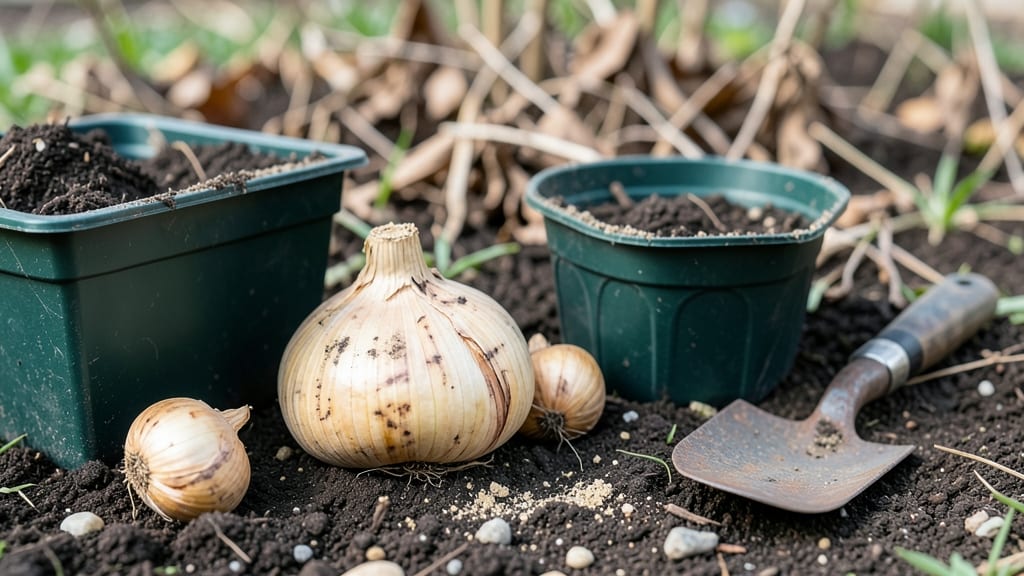
Planting tulip bulbs in New Jersey between October and November ensures they establish roots before the ground freezes, setting the stage for vibrant spring blooms.
New Jersey gardeners know that timing is everything—plant too early, and bulbs may rot; too late, and they’ll miss the frost window. With USDA zones 6a-7b, getting those 🌷 bulbs in the ground at the perfect moment is key to success.
Why does this matter? Tulips need 4-6 weeks of cool soil before winter dormancy kicks in. In NJ, that means aiming for mid-October in northern zones and early November in the south, with soil temps dropping to 50°F or lower.
Below, I’ll break down the exact planting window by zone, how to prep your soil, and what to watch for—so you can enjoy those cheerful blooms come April without a single worry.
New Jersey’s ideal tulip planting window by USDA Zone (5b-7a)
Timing your tulip bulb planting in New Jersey depends entirely on your USDA zone—whether you're in chilly Zone 5b (North), moderate Zone 6a (Central), or milder Zone 7a (South).
The difference between these zones can mean the difference between rotten bulbs and vibrant spring blooms. Let’s break down the exact windows you need to target for each region.
For all three zones, the ideal planting window falls between October and November, but the precise dates shift based on when your soil reaches 40-50°F and when the first hard frost arrives.
In Zone 5b, you’ll need to plant earlier, while Zone 7a gardeners get a slightly later window. Missing this window means your bulbs won’t establish roots before winter dormancy kicks in.
Pro Tip: Use a soil thermometer to confirm your soil is cool but not frozen. Tulip bulbs need time to root before the ground freezes solid—aim for 4-6 weeks before frost. In NJ, this typically lands in mid-October to early November, but local microclimates (like urban heat islands) can shift these dates by a week or more.
| USDA Zone | Ideal Planting Window | Soil Temp Threshold | First Frost Date | Actionable Deadline |
|---|---|---|---|---|
| Zone 5b (North) | Mid-October to early November | 40-50°F | November 1-15 | Plant by October 25 |
| Zone 6a (Central) | Late October to mid-November | 40-50°F | November 10-20 | Plant by November 10 |
| Zone 7a (South) | Late October to early December | 40-50°F | November 20-December 5 | Plant by November 15 |
Note: Adjust for early/late winters using local frost data from the NJ State Climate Office.
If you’re in Zone 5b (think Bergen or Passaic counties), your window is tight—plant by October 25 to ensure bulbs root before the ground freezes. Zone 6a gardeners (like those in Hunterdon or Middlesex) have until November 10, while Zone 7a (South Jersey, e.g., Cape May or Atlantic) can push it to November 15.
Always check your local frost dates, as they can vary by 1-2 weeks year to year.
For late plantings, you can still get away with dropping bulbs in early December if your soil hasn’t frozen solid, but expect smaller blooms the following spring. The key is ensuring bulbs have 4-6 weeks of root growth before winter sets in.
If you’re unsure, err on the earlier side—tulips planted too late won’t establish roots in time for robust growth.
One common mistake NJ gardeners make is waiting until November 30 or later. By then, the soil is often too cold or frozen for bulbs to root properly.
If you’re in Zone 7a and still have bulbs left after November 15, consider chilling them in the fridge for 6-8 weeks before planting in December—this mimics winter dormancy and can improve success.
Don’t forget to amend your soil before planting! Tulips thrive in well-draining, slightly acidic soil (pH 6.0-7.0). Mix in compost or sand if your native soil is heavy clay, which can lead to rot.
Plant bulbs 6 inches deep and 6 inches apart for optimal airflow and bloom size. After planting, add a 2-inch layer of mulch to insulate bulbs and retain moisture.
For urban gardeners in cities like Newark or Jersey City, microclimates can delay frost by 1-2 weeks. Use a local weather app or check with your county extension office for precise frost predictions.
If you’re in a warmer pocket, you might safely plant until late November—but always confirm soil temps first.
Remember, the earlier you plant, the longer the roots have to establish before winter. This means bigger blooms and healthier plants next spring. Mark
5 Critical factors that determine your perfect tulip planting date in NJ
While most NJ gardeners default to planting tulip bulbs in October, the true perfect date depends on five key factors beyond just the calendar. Soil temperature is your first clue—tulips need 40-50°F soil to establish roots before winter. Bulb freshness also plays a role: older bulbs may need an earlier start.
Then there’s first frost timing, which varies wildly across NJ’s USDA zones 5b-7a, and moisture levels that can make or break root growth. Finally, your local microclimate (urban heat islands vs. rural chill) shifts the ideal window by weeks.
To nail the exact date, I rely on three tools: a soil thermometer ($15 at garden centers), the NJ State Climate Office’s frost predictions, and a quick check of my garden’s drainage patterns.
For example, my Zone 6a garden in central NJ often plants bulbs 2-3 weeks earlier than my friend’s Zone 7a property in southern NJ. The difference? Urban heat retention delays frost in cities like Newark by up to 10 days compared to rural areas like Lambertville.
Let’s break down how these factors interact. For instance, in Zone 6a, I might plant Darwin Hybrid tulips (hardier varieties) by October 1 if my soil hits 50°F early, but delay Parrot tulips (more delicate) until October 15.
The NJ State Climate Office’s 30-year frost data shows that Trenton averages frost by November 5, while Newark holds off until November 12—a critical difference for late plantings.
Don’t overlook moisture management, either. Tulip bulbs planted in dry soil struggle to root, while waterlogged conditions cause rot. I test drainage by digging a hole, filling it with water, and timing how long it takes to drain.
If it’s still wet after 2 hours, I amend the soil with perlite or coarse sand before planting. Mulching with straw after planting helps retain moisture without suffocating the bulbs.
For urban gardeners, heat from pavement and buildings can push frost dates back by 7-10 days. If you’re in Newark or Jersey City, monitor your garden’s microclimate by placing a minimum-maximum thermometer near your planting spot.
Rural gardeners in Hunterdon or Warren Counties can often plant 3 weeks earlier thanks to cooler nights. Pro tip: Group tulips with alliums or narcissus to extend the blooming season and mask any timing missteps.
Finally, remember that bulb quality matters. I always buy certified disease-free bulbs from reputable nurseries like Brent and Becky’s Bulbs or Local Garden Center. Storing bulbs in a cool, dark place (40-50°F) until planting ensures they’re ready to root when you pop them in the ground.
With these five factors in check, your tulips will bloom earlier, bigger, and more reliably than ever—no guesswork required.