
Plants
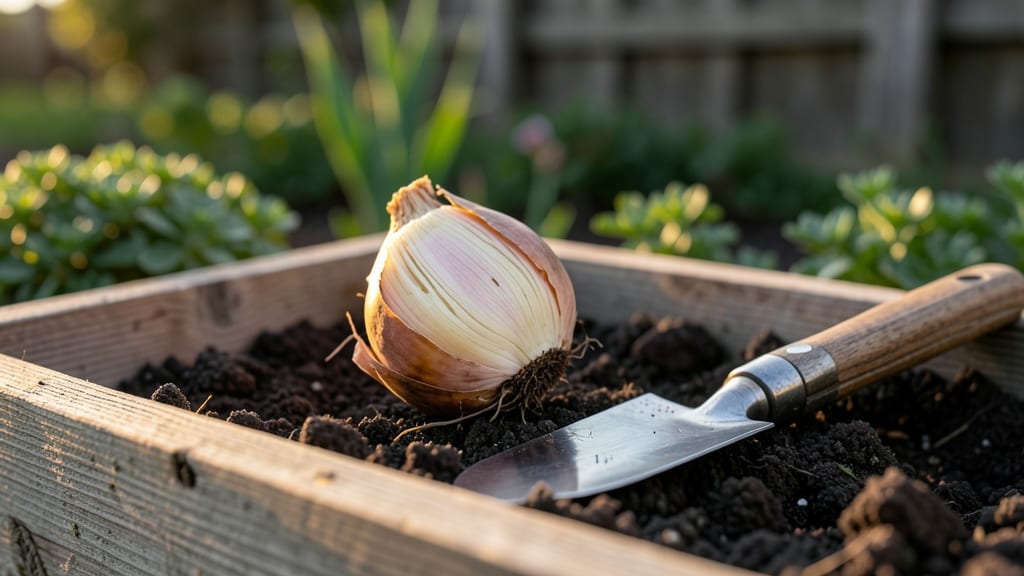
Planting tulip bulbs in North Carolina between October and November ensures they establish strong roots before winter 🌷 — a critical step for vibrant blooms next spring.
Miss that window, and you risk weak growth or no flowers at all. North Carolina’s mild winters and humid summers create perfect conditions for tulips, but timing is everything. Plant too early, and the bulbs may rot; too late, and frost can damage them before they root.
Below, I’ll break down the ideal months for your USDA 7a-8b zone, how to adjust for microclimates like the coast or mountains, and the soil prep tricks that make all the difference.
You’ll also learn how to spot common mistakes—like planting in soggy soil—that can ruin your bulbs before they even bloom.
Best months to plant tulip bulbs in North Carolina for maximum blooms
North Carolina’s USDA zones 5-8 offer the perfect balance for growing tulips, but timing your planting is critical. The ideal window spans from mid-October to early November, when soil temperatures drop below 60°F (15°C) but before the first hard frost.
This timing ensures bulbs establish roots before winter dormancy, setting the stage for vibrant spring blooms.
Miss this window, and you risk rot from early planting or frost damage from late planting. In Zone 5 (mountain regions), aim for late October—earlier than coastal areas.
Meanwhile, Zone 8 gardens can extend planting into early December, thanks to milder winters. The key is 6-8 weeks before ground freezes.
Soil temperature is your best guide. Use a soil thermometer to confirm temps are below 60°F (15°C) but above freezing. Tulip bulbs need this cool-down period to trigger root growth without sprouting too early. In Piedmont NC, this usually aligns with late October, while coastal areas may wait until early November.
Frost risk is the biggest threat after planting. Tulips can handle light frosts once roots are established, but deep freezes (below 20°F/-7°C) can damage emerging shoots. Mulch with 3-4 inches of straw or leaves to insulate bulbs. In Zone 6-7, mulch by mid-November; in Zone 8, wait until December.
| Zone | Ideal Planting Month | Soil Temp Threshold | Frost Risk Window | Mulch Timing |
|---|---|---|---|---|
| 5 (Mountains) | Late October | Below 60°F (15°C) | Nov 15-Dec 1 | Mid-November |
| 6-7 (Piedmont) | Mid-October | Below 60°F (15°C) | Nov 1-Nov 15 | Late November |
| 8 (Coastal) | Early November | Below 65°F (18°C) | Dec 1-Dec 15 | Early December |
For Zone 5 gardens, prioritize late October planting to avoid early frosts. In Zone 6-7, you have a 3-week window from mid-October to early November. Meanwhile, Zone 8 gardeners can plant as late as early December, thanks to warmer winters.
Always check your local first frost date—NC’s ranges from mid-November in the mountains to December in coastal areas.
If you miss the fall window, spring planting is possible but risky. Plant 4-6 weeks before your last frost date (usually mid-March in Zone 5 or late February in Zone 8).
Spring-planted bulbs may bloom later or weaker, but they’ll still produce flowers. For best results, stick to fall planting—it’s the gold standard for tulip success.
Pro tip: Pre-chill bulbs if planting in late fall. Store them in a cool, dark place (35-40°F/2-4°C) for 4-6 weeks before planting to mimic natural conditions. This trick helps bulbs establish roots faster in Zone 8’s milder winters, where soil may stay too warm for root growth.
Don’t overlook soil drainage. Tulips rot in soggy soil, so amend heavy clay with compost or sand to improve aeration. In low-lying areas, plant bulbs on mounds to prevent waterlogging. Well-drained soil is non-negotiable—even the best timing won’t save bulbs in waterlogged conditions.
Finally, label your bulbs if planting a mix of varieties. Tulips come in early, mid, and late-season bloomers, and labeling ensures you’ll enjoy continuous color from March to May. For maximum impact, plant early bloomers (like ‘Early Harbinger’) near late bloomers (like ‘Darwin Hybrid’).
With the right timing and care, your North Carolina tulips will reward you with show-stopping blooms year after year. Plant in the ideal window, protect from
How to adjust planting time based on North Carolina’s microclimates
North Carolina’s diverse geography means your tulip planting schedule should vary dramatically depending on whether you're near the coast, in the Piedmont, or nestled in the mountains.
Each region has unique frost patterns and soil conditions that can extend or shorten your ideal planting window by weeks or even months. Understanding these microclimates lets you fine-tune your timing for healthier roots and bigger blooms next spring.
For example, coastal areas like Wilmington experience warmer winters with later first frosts, while mountain regions like Asheville can see earlier freezes that force earlier planting. Even within the same county, a 1,000-foot elevation change can shift your optimal planting date by 2-3 weeks.
The key is matching your schedule to your local last frost date and soil temperature trends.
Soil preparation is just as critical as timing. In coastal areas, sandy soils dry out quickly, so amend with 2-3 inches of compost to retain moisture. Mountain gardeners should focus on drainage—add perlite or coarse sand to heavy clay soils to prevent rot.
A simple soil test (available through your local Cooperative Extension office) can reveal if your pH is too acidic (below 6.0) or alkaline (above 7.0), both of which stress tulip bulbs.
Mulching isn’t just for winter protection—it’s a game-changer for extending your planting window. A 4-inch layer of straw or shredded leaves can push your coastal planting date 2 weeks later or let mountain gardeners plant 1 week earlier by insulating the soil.
Just remember to remove mulch in early spring (around February) to prevent fungal diseases from trapped moisture.
Pro tip: Use a soil thermometer to track temperatures—tulip bulbs need 40-50°F soil to start rooting. Coastal gardeners can often wait until November 1st, while mountain areas should have bulbs in the ground by October 15th.
This small adjustment can mean the difference between vibrant blooms and missed flowers.
Don’t let North Carolina’s microclimates stress you out—think of them as tools. Warmer coastal areas give you a longer window to plant, while mountain regions reward patience with earlier spring blooms.
With the right timing and soil prep, your tulips will thrive no matter where you garden in the Tar Heel State. 🌷