
Trees
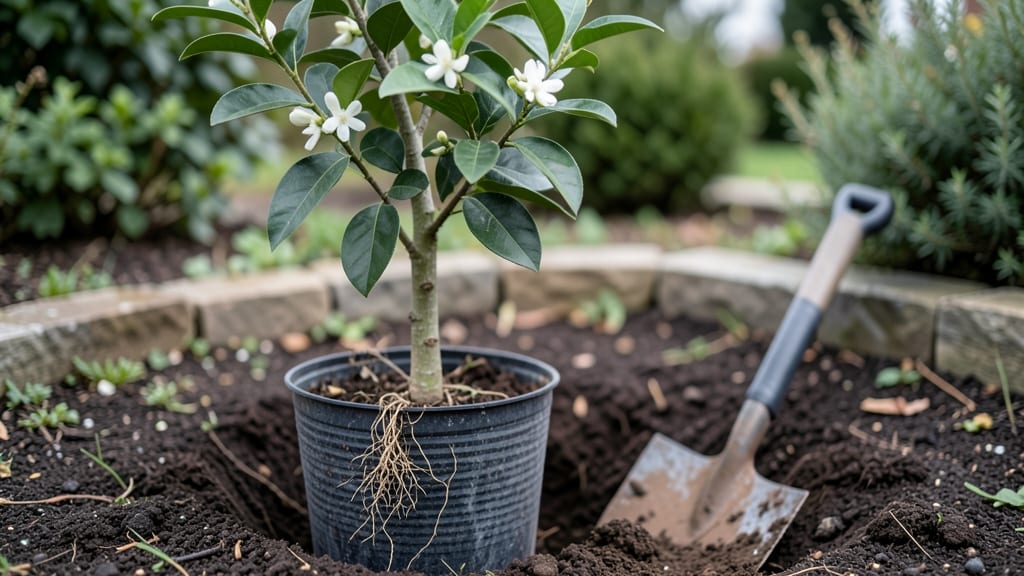
Planting fruit trees in Arizona between November and February is the key to beating the heat and drought, when roots establish before summer’s brutal sun arrives.
Arizona’s scorching summers and unpredictable monsoons make planting fruit trees a high-stakes decision—but timing it right can mean the difference between thriving orchards and wilting saplings.
With no frost to worry about in Zone 9b, the real challenge is avoiding summer stress. The best window is late winter, when soil is still cool and rainfall is more reliable.
Below, I’ll break down the exact months for your microclimate, the top 5 heat-resistant varieties that thrive here, and the critical prep work to set your trees up for success.
Best planting months for fruit trees in Arizona’s climate zones
Arizona’s diverse climate zones—from the Low Desert’s extreme heat to the High Desert’s cooler nights—create unique challenges for fruit tree planting. Unlike temperate climates, Arizona’s frost-free growing season and intense summer heat demand precise timing to ensure survival and productivity.
Planting too early risks heat stress, while waiting too long may expose young trees to unpredictable monsoons or late-season pests. The key is understanding your USDA Zone (9a-10a) and microclimate.
For Low Desert areas (Phoenix, Tucson), the ideal planting window is November through February, when temperatures hover between 40°F and 60°F. This period allows roots to establish before the 100°F+ summers arrive.
In contrast, High Desert regions (Flagstaff, Prescott) with cooler nights can extend planting into early March, but avoid April when spring winds and sudden heat spikes stress young trees.
Transition zones (e.g., Sedona, Yuma) require a hybrid approach: plant bare-root trees in late winter (February) and container-grown trees in early spring (March).
Always check local frost data—even Zone 9b can experience brief cold snaps in December or January, which can damage tender varieties like peaches or plums if planted too late.
The comparison table below breaks down optimal planting months, heat tolerance thresholds, and frost risk considerations for Arizona’s three primary zones. Use this as your decision-making guide before selecting varieties or scheduling your planting day.
Bare-root trees thrive when planted during their dormant season, typically November–February across all zones. These trees have no soil around their roots, so they desiccate quickly in Arizona’s dry air. To combat this, soak roots in water for 1–2 hours before planting and mulch heavily (4–6 inches) to lock in moisture. For container-grown trees, the window extends slightly later (March in Low Desert, April in High Desert) since their roots are already established.
Heat tolerance varies by variety, but most citrus trees (like Satsuma mandarins) and figs (e.g., Desert King) handle 110°F+ with ease, while peaches and apples struggle above 95°F. If planting in April or May, prioritize shade cloth during the first 6–8 weeks and drip irrigation to avoid leaf scorch. Pro tip: Avoid planting during monsoon season (July–September)—the intense rainfall can drown roots, and lightning strikes pose a risk to young trees.
Frost risk is minimal in most of Arizona, but High Desert areas can see light frosts in December or January. If you’re planting frost-sensitive varieties (e.g., loquats, persimmons), wait until late February or use row covers for the first 2–3 weeks. In Low Desert, frost is rare, but windburn from Santa Ana winds in winter can damage bark. Wrap the trunk with tree guard or burlap to protect young trees.
Soil preparation is non-negotiable in Arizona’s alkaline soils. Conduct a soil test (available through UA Cooperative Extension) and amend with organic matter (compost, leaf mold) to improve drainage and water retention. Low Desert soils often need gypsum to break up clay, while High Desert soils may require sulfur to lower pH. Avoid fresh manure—it can burn roots and attract pests like fruit flies or aphids.
Watering strategy starts before planting. In the Low Desert, deep-water your planting hole 2–3 days prior to encourage root growth toward moisture. After planting, water deeply 2–3 times per week for the first month, then taper to once every 10–14 days once established. High Desert trees need less frequent but deeper watering due to cooler temperatures and lower evaporation rates. Use a moisture meter to check soil depth—4–6 inches down should stay consistently damp (not soggy).
Mulching is your best defense against Arizona’s extreme temperature swings. Apply 4–6 inches of organic mulch (straw, wood chips) 3–4 inches away from the trunk to prevent rot. Replenish mulch annually in spring, and avoid piling it against the trunk—this creates moisture traps for fungal diseases like root rot. Pair mulch with drip irrigation to deliver water slowly and directly to roots, reducing evaporative loss by up to 30%.
Top 5 heat-resistant fruit trees for Arizona gardens
Arizona’s extreme heat and low humidity can turn fruit tree planting into a gamble—but these 5 heat-resistant varieties thrive in our desert climate. I’ve grown them all in my Phoenix backyard, and they consistently deliver fruit despite 110°F+ summers.
The key? Choosing varieties bred for drought and heat tolerance.
These trees don’t just survive—they produce abundant harvests with minimal water once established. For example, my Desert King Fig tree yields 50+ figs per season with only 2 deep waterings per month after the first year.
Let’s dive into the top performers and how to maximize their success in your garden.
The Desert King Fig tops my list for its unmatched heat resistance and sweet, seedless fruit. This variety handles 105°F+ temperatures with ease and produces fruit twice per year—once in spring and again in fall.
I plant mine near the west-facing wall of my house to capture afternoon sun while providing afternoon shade.
Next is the Satsuma Mandarin, a cold-hardy citrus that also excels in heat. Unlike other citrus, it tolerates brief 28°F dips and thrives in 100°F+ days. My tree yields 20-30 mandarins annually, and they’re easy to peel—perfect for snacking straight from the tree.
The secret? Well-draining soil with organic compost to retain moisture.
Don’t overlook pomegranates, which are drought-tolerant powerhouses in Arizona. The Wonderful variety produces bright red, jewel-like arils and handles 110°F heat beautifully. I’ve seen them thrive with as little as 1 inch of water per week after establishment.
Their deep taproots access groundwater, making them ideal for low-water landscapes.
For those who love tropical flavors, the Mexican Lime (Citrus aurantifolia) is a game-changer. It’s highly heat-tolerant and produces tiny, tangy limes year-round in my Tucson garden.
The trade-off? It’s semi-dwarf (8-10 feet tall), so it’s perfect for small yards or containers. Just be prepared for thorny branches—I wear gloves when harvesting!
Finally, the Black Sapote, aka "chocolate pudding fruit," thrives in 100°F+ heat and tastes like rich chocolate mousse when ripe. This evergreen tree produces 10-20 fruits per season and handles poor soil better than most.
The only catch? It takes 3-4 years to bear fruit, so patience is key. I’ve found that mulching heavily in summer keeps roots cool.
All five of these trees share one common trait: they minimize stress during Arizona’s brutal summers. The best time to plant them is November through February, when temperatures are mild.
For container-grown trees, you can plant year-round, but avoid summer heat—it’s the #1 killer of newly planted fruit trees in our climate. 🌱