
Plants
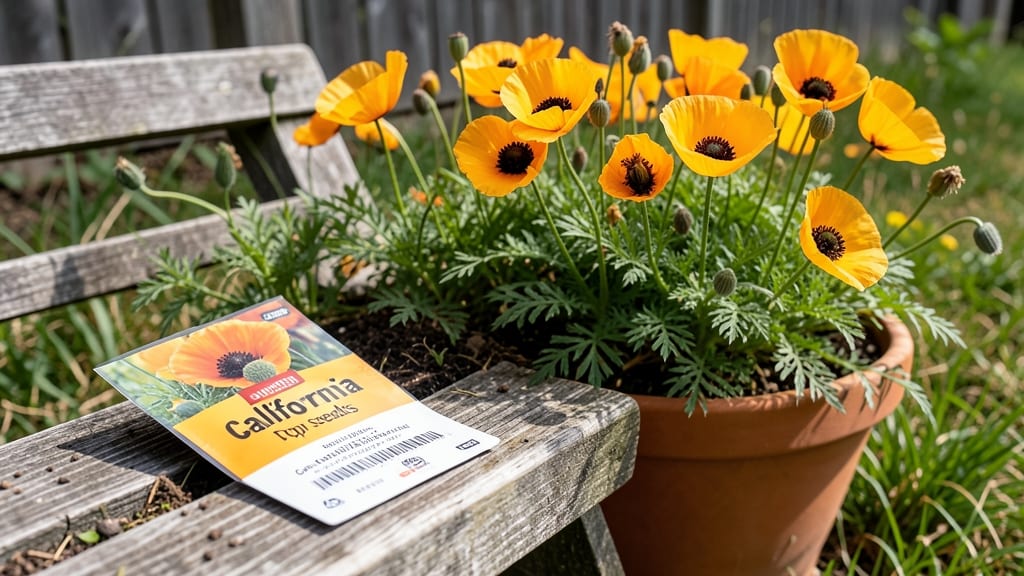
Planting poppy seeds in British Columbia at the right time means the difference between vibrant blooms and a missed opportunity — and the window is narrower than you might think.
British Columbia’s diverse climate—from coastal mildness to inland dry heat—means poppy seeds planted at the wrong time can either flourish into bold, cheerful blooms or fizzle into disappointment. Timing isn’t just about the calendar; it’s about understanding your microclimate to unlock poppies’ full potential.
In this guide, I’ll walk you through the exact deadlines for your region—whether you’re in Vancouver’s 8a zone, Victoria’s 8b, or the cooler Interior—and how to adjust for urban heat islands or cold pockets.
You’ll also learn the 5 key signs your soil is ready, so you never plant too early or too late.
No more guessing: by the end, you’ll know precisely when to scatter those seeds for reliable germination and long-lasting blooms that brighten your garden from April to June.
BC’s poppy planting zones: coastal vs. interior deadlines you must know
British Columbia’s poppy seeds thrive when planted at the right time, but the coastal and interior regions have wildly different deadlines. In Vancouver Island, mild winters mean you can start as early as February, while the Okanagan Valley demands patience until mid-April to avoid frost damage.
Understanding these microclimate differences is key to vibrant blooms.
Poppies need soil temperatures above 50°F (10°C) to germinate, but coastal areas hit this threshold weeks earlier than inland zones. The Lower Mainland typically reaches this by late March, while the Kootenays may wait until early May.
Calculating your frost-free date is the first step—coastal BC averages 150–200 frost-free days, while the Interior sees only 120–160.
Here’s how to align your planting with BC’s climate zones for foolproof poppy success:
For coastal gardeners, the window to plant poppy seeds opens earlier but closes faster due to spring rains. Aim to sow by mid-March in Victoria or early April on Vancouver Island to avoid overwatered soil, which stalls germination.
A quick trick: press seeds lightly into well-draining soil—they need light to sprout, not burial.
Inland regions like the Okanagan and Kootenays benefit from late-summer planting (August) for fall blooms. The dry climate reduces disease risk, and poppies often self-seed reliably. However, soil moisture is critical—water deeply after planting to encourage root establishment before the first fall frost.
Microclimates within regions can shift deadlines by weeks. A south-facing slope in the Kootenays might warm enough for planting by mid-April, while a valley bottom could wait until June. Use a soil thermometer to confirm temperatures—poppy seeds need consistent warmth to avoid patchy germination.
Pro tip: Scatter seeds directly where you want poppies to grow—they self-thin naturally. Avoid fertilizing; poppies prefer lean, rocky soil. Once established, they’re drought-tolerant, making them perfect for BC’s unpredictable summers. Just remember: coastal poppies bloom earlier (April–May), while interior varieties often wait until June.
Timing your poppy planting isn’t just about the calendar—it’s about reading your microclimate. Coastal gardeners should act fast in early spring, while interior growers can take their time and even experiment with fall sowing.
The key is soil warmth, not just frost dates. With these region-specific deadlines, your poppies will reward you with bold, cheerful blooms all season long. 🌸
5 Signs your BC microclimate is ready for poppy seeds (and when to adjust)
Poppy seeds thrive when planted at the right moment in BC’s varied climate, but guessing the perfect time can lead to wasted effort. Unlike predictable annuals, poppies rely on soil warmth and frost-free signals to germinate reliably.
My coastal friends often plant too early, while inland gardeners risk late frosts—both mistakes I’ve seen firsthand. The key is reading your microclimate’s subtle cues before scattering those tiny, papery seeds.
Don’t rely solely on the calendar. BC’s urban heat islands can push planting dates 2–3 weeks earlier than rural areas, while cold pockets near water bodies may delay germination. I’ve learned to adjust my timing by observing soil temperature, neighbor’s progress, and even local weather patterns.
These signs save poppies from the "false spring" trap that fools many gardeners each year.
Adjust your planting timeline if you notice unusual warmth in urban areas or delayed springs near water bodies. I once planted poppies in early March in a Vancouver heat pocket—they germinated in 10 days!
Conversely, a cold pocket in my friend’s North Vancouver garden needed to wait until mid-April despite the same calendar date.
For coastal gardeners, resist the urge to plant before March 15. False springs in Victoria or Tofino can fool you into early sowing, only for a late frost to wipe out seedlings. I’ve seen this happen twice—always plant after your local last frost average, not before it.
If you miss the spring window, don’t panic! Poppies also thrive with late-summer planting (August) for fall blooms. This works especially well in dry interior regions like the Okanagan, where summer heat mimics ideal germination conditions. Just scatter seeds by August 10 to ensure blooms before frost.