
Plants
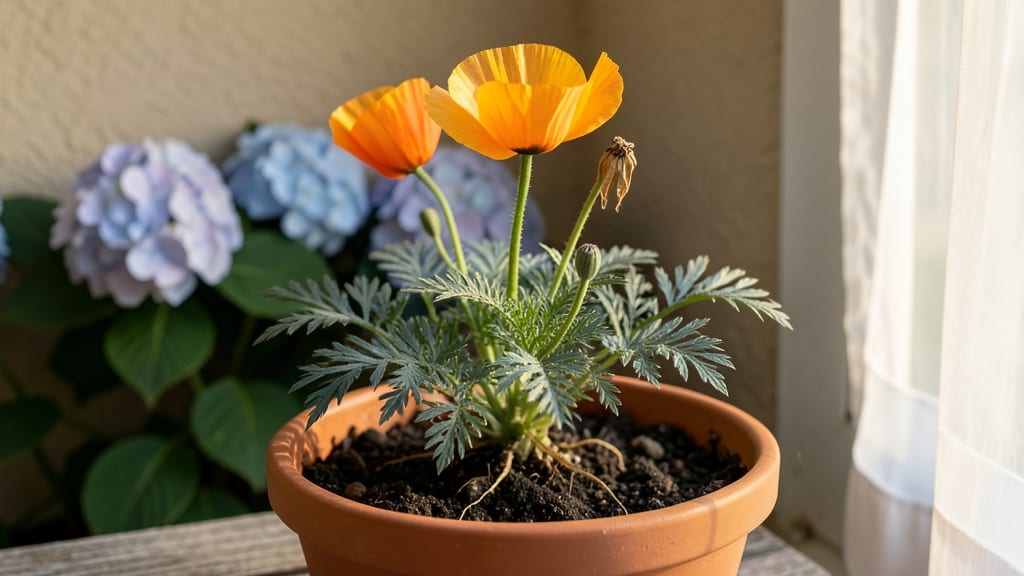
Plant poppy seeds in Southern California between October and March for the fastest, most vibrant blooms 🌸—a window that aligns perfectly with the region’s mild winters and dry summers.
Picture this: you’ve just scattered those delicate seeds, and within weeks, your garden erupts in bold reds, oranges, and yellows—only to fade just as quickly if you missed the ideal timing. Southern California’s frost-free climate means no rushing, but those dry spells demand precision.
Most gardeners here swear by late fall or early winter planting, when soil stays cool enough to prevent early germination but warm enough to avoid dormancy. The key? Sowing before the first real heatwave hits, so your poppies drink deep in the cooler months and burst into color by spring.
Below, I’ll break down the exact months that work best for your microclimate—whether you’re coastal or inland—and share the three simple tricks that guarantee fast germination and drought-proof growth.
Optimal planting months for poppies in Southern California’s climate zones
Southern California’s microclimates create unique opportunities for poppy lovers. While most areas enjoy frost-free winters, coastal regions like Santa Barbara and San Diego stay milder than inland valleys like San Fernando or Coachella.
These differences mean your planting window can shift by 4-6 weeks depending on where you live.
For coastal zones (USDA 9b-10a), poppy seeds thrive when sown from late September through February. The ocean breeze keeps nights cool, reducing heat stress on emerging seedlings. Inland areas (USDA 10b-11) can push planting slightly later—October through March—thanks to warmer soil temperatures that speed germination.
Here’s the key: Fall planting (September-November) gives poppies time to establish roots before winter rains. Spring planting (February-March) ensures blooms arrive just as summer heat begins, but requires consistent moisture during germination.
| Climate Zone | Best Planting Window | Key Considerations | Bloom Time |
|---|---|---|---|
| Coastal (Santa Barbara, San Diego) | Late September - February | Milder nights, higher humidity; water lightly after planting | February - April |
| Inland Valleys (San Fernando, Coachella) | October - March | Warmer soil speeds germination; mulch to retain moisture | March - May |
| Mountain Foothills (Altitude 2,000+ ft) | November - January | Cooler temps delay germination; protect from wind | April - June |
Rainfall patterns play a crucial role. Coastal areas often get winter rains that can wash away newly sown seeds. I recommend planting after November showers or using a light mulch (like straw) to anchor seeds until roots establish.
Inland zones like the Inland Empire receive less rain, so pre-watering the soil before sowing creates the ideal moisture trigger for germination.
For continuous color, stagger your plantings. Start with California Poppies in September for early blooms, then add Oriental Poppies in November for a spring show. This two-phase approach ensures your garden never loses its poppy charm, from winter rains through summer heat.
Adjust for early vs. late bloomers by choosing varieties. Iceland Poppies (short-statured) bloom 6-8 weeks after sowing, perfect for fall plantings. Oriental Poppies take 8-12 weeks, ideal for winter sowing to avoid summer wilting. Always check seed packets for days-to-bloom estimates.
Pro tip: Direct sowing is best—poppy seeds hate transplanting. Scatter them on well-drained soil in full sun (6+ hours daily). Press lightly into the surface; they need light to germinate. In coastal foggy zones, add a clear plastic dome for 3-5 days to boost warmth until sprouts appear.
Watch for seedling stress signs like yellowing leaves or stunted growth. These often mean overwatering or poor drainage. Poppies thrive on neglect once established, but seedlings need consistent moisture until roots develop. Reduce watering to every 10-14 days once true leaves form.
Remember: Southern California’s drought-resistant poppies reward patience. A fall-planted batch might bloom by February, while spring plantings could shine by May. Plan for 3-4 months from seed to bloom—your garden’s colorful payoff will be worth the wait. 🌸
How to time poppy seed planting for maximum blooms and drought resistance
Timing your poppy seed planting is the secret to fast germination and drought-resistant blooms in Southern California’s Mediterranean climate. Unlike many plants, poppies thrive when sown directly into well-draining soil without covering them—so patience and precision matter most.
The key window spans from October through March, aligning with cooler temperatures and natural rainfall patterns that reduce watering demands.
Poppy seeds germinate best when soil temperatures hover between 60°F and 75°F. In Southern California, this means avoiding summer heat, which can cause seeds to dry out before sprouting. Instead, aim for fall or early winter planting to give seedlings a head start before the dry season intensifies.
Coastal areas may extend this window slightly due to milder microclimates, but inland regions should plant earlier to avoid summer drought stress.
Step-by-Step Poppy Seed Planting Guide
- 🌱 Step 1: Test Soil pH
Use a soil test kit to ensure pH is between 6.0 and 7.5. Poppies prefer slightly acidic to neutral soil. Amend with compost if needed. - 🌿 Step 2: Prepare the Soil
Loosen the top 2 inches of soil with a rake or hoe. Remove weeds and rocks to create a smooth seedbed. - 💧 Step 3: Water the Soil
Water the area thoroughly 24 hours before planting. Soil should be moist but not soggy. - ✂️ Step 4: Scatter Seeds
Sow seeds directly on soil surface—they need light to germinate. Space seeds 6–12 inches apart for full blooms. - 🌞 Step 5: Lightly Press Seeds
Gently press seeds into soil with your hand or a board. Do not cover with soil or mulch. - 🌳 Step 6: Mulch Strategically
Apply a thin layer of straw mulch (¼ inch) around seedlings once they reach 2 inches tall to retain moisture. - 💡 Step 7: Water Sparingly
Water lightly every 7–10 days once established. Poppies are drought-tolerant—overwatering kills them!
Once your poppy seeds sprout, resist the urge to overwater—they’re adapted to dry conditions and will thrive with minimal care. After 6–8 weeks, you’ll see vibrant blooms that attract pollinators while adding a splash of color to your garden.
For continuous blooms, stagger plantings every 2–3 weeks within the ideal window.
Pro tip: If you’re in a coastal area, you can extend planting into early April thanks to cooler temperatures. However, inland gardeners should plant by late February to avoid summer drought. Always monitor rainfall predictions—natural moisture can reduce your watering workload significantly.
By following these steps, you’ll ensure your poppies germinate quickly, resist drought, and bloom prolifically—turning your garden into a sun-drenched paradise. Happy planting! 🌻