
Plants
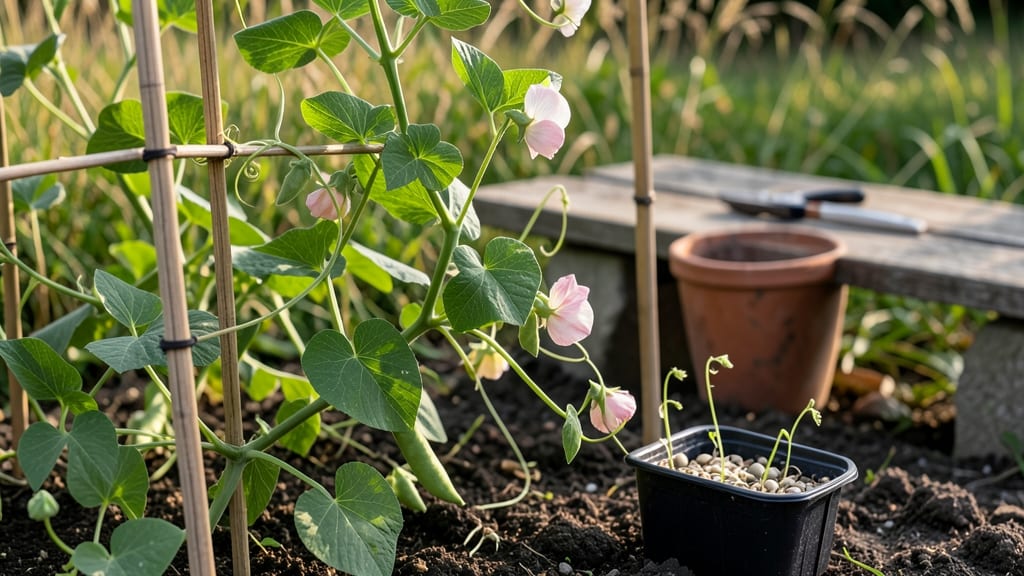
Planting peas in Tennessee requires timing them just right to avoid frost or summer’s relentless heat—aim for early spring or late summer for the best results.
Here’s the catch: Tennessee’s climate is a double-edged sword. Too early, and a late frost wipes out your crop; too late, and the heat sends your peas bolting before you get a single pod.
The key is knowing your region’s last-frost date and adjusting for microclimates—whether you’re in Nashville’s urban heat islands or the cooler highlands near Asheville.
In this guide, I’ll break down the exact planting windows for your area, share frost-proofing tricks, and recommend the best pea varieties to beat Tennessee’s unpredictable swings. No more guessing—just a foolproof schedule for a harvest of sweet, tender peas.
You’ll also discover how to extend your growing season with row covers, succession planting, and soil hacks that work in Tennessee’s heavy clay or sandy soils. Let’s get those peas in the ground at the perfect moment.
Pea planting zones in Tennessee: exact dates by region
Tennessee’s diverse climate zones mean your pea planting schedule should shift from Memphis’ heat to Asheville’s chilly mornings. Peas thrive in cool weather (40°F–70°F), so timing is everything. Plant too early, and frost ruins tender sprouts; too late, and summer’s heat wilts them.
Let’s break down the best planting windows for each region, accounting for microclimates and USDA Zone adjustments.
Peas are cool-season crops, meaning they prefer spring and fall planting. In Tennessee, this translates to February–March for spring and August–September for fall. However, your exact dates depend on whether you’re in West (Zone 7b), Middle (Zone 7a), or East Tennessee (Zone 6a).
High-altitude areas like Johnson City may need adjustments due to earlier frosts.
Here’s the region-by-region breakdown of ideal pea planting dates, including last-frost averages and soil temperature targets (peas need 40°F+ soil to germinate). Use these as your planting calendar to avoid common mistakes like frost damage or bolting.
In West Tennessee (Memphis, Zone 7b), you can start indoor sowing as early as January 15 for a head start, but transplant outdoors only after March 15.
The fall window closes fast here—plant by September 15 to harvest before first frost (November 1). Use black plastic mulch to warm soil faster in early spring.
For Middle Tennessee (Nashville, Zone 7a), aim to plant peas every 2 weeks from February 1 through March 10 for a staggered harvest.
Fall planting should start by August 1, with sugar snap peas being the most heat-tolerant choice. Urban gardeners in Nashville can extend the season with row covers until October 15.
East Tennessee (Asheville/Johnson City, Zone 6a) has the shortest growing window, so focus on fast-maturing varieties like ‘Little Marvel’ (55 days). Start seeds indoors by March 1 and transplant after April 15. Fall planting is trickier—sow by July 30 and use cold frames to protect late harvests. High-altitude areas (e.g., Great Smoky Mountains) may need to delay until May 1 due to late frosts.
Pro tip: Test your soil temperature before planting—peas won’t germinate below 40°F. Use a soil thermometer ($10 at garden centers) to confirm readiness. If soil is too cold, cover seeds with straw to insulate them.
In heat-prone areas like Memphis, plant near trellises to create shade for roots and water deeply in the evening to cool the soil.
Remember, microclimates matter. A south-facing slope in Nashville might warm up 2 weeks earlier than a shady valley. Adjust your planting dates based on your specific spot. If you’re unsure,
How to extend your pea season in Tennessee’s unpredictable climate
Tennessee’s climate throws curveballs—one day it’s 30°F frost, the next it’s 90°F heat. Peas need cool weather to thrive, so I’ve learned to play the timing game. The secret to a long harvest? Strategic planting and protective tricks that shield your crop from nature’s whims.
Whether you’re growing in raised beds or containers, these methods let you stretch your pea season from early spring to late fall.
First, focus on cold-hardy varieties like Sugar Ann or Green Arrow, which tolerate light frosts. Pair them with row covers or cold frames to buy extra time. For late-season heat, opt for short-season varieties like Little Marvel and plant them in partial shade during peak summer months.
Even in Tennessee’s heavy clay soils, a few tweaks can make all the difference.
- Plant 4-6 weeks before last frost (Feb-March) for spring peas. Use row covers if nights dip below 25°F.
- For fall peas, sow 8-10 weeks before first frost (Aug-Sept). Choose heat-tolerant varieties like Oregon Sugar Pod.
- Warm soil with black plastic mulch 1-2 weeks before planting to speed germination in cool springs.
- Use succession planting: Sow every 2 weeks in spring/fall for a staggered harvest.
- Container gardeners: Plant in 5-gallon pots with trellises. Move pots to shade during summer heat.
Succession planting is my go-to trick. Instead of one big planting, I sow peas every 2 weeks from February through March. This ensures a steady supply of fresh pods instead of one overwhelming harvest.
For containers, I use 5-gallon pots with trellises—perfect for balconies or patios. When summer heat rolls in, I move them to a shadier spot or cover them with lightweight shade cloth to prevent bolting.
Soil temperature matters just as much as air temperature. Peas germinate best in soil that’s 45-75°F. In Tennessee’s cool springs, I warm the soil by laying down black plastic mulch 1-2 weeks before planting. This simple hack speeds up germination and gives my peas a head start.
For late-season plantings, I mix in compost to retain moisture and cool the soil slightly, helping peas tolerate the transition from summer to fall.
Don’t overlook companion planting—it’s a game-changer. I pair peas with radishes (they mark rows) and carrots (they deter pests). Avoid planting near onions or garlic, as they stunt pea growth.
In containers, I interplant with lettuce or spinach to maximize space and keep the soil cool. These pairings create a mini ecosystem that protects your peas from Tennessee’s humidity and pests.
Finally, watch for bolting—when peas flower too early due to heat or stress. If you see flower buds forming, harvest immediately or shade the plants. For late-season extensions, I’ve even tried hoop houses with row covers, adding 2-3 extra weeks of growing time.
With these tactics, you can enjoy fresh peas from April through November, no matter where you garden in Tennessee.