
Plants
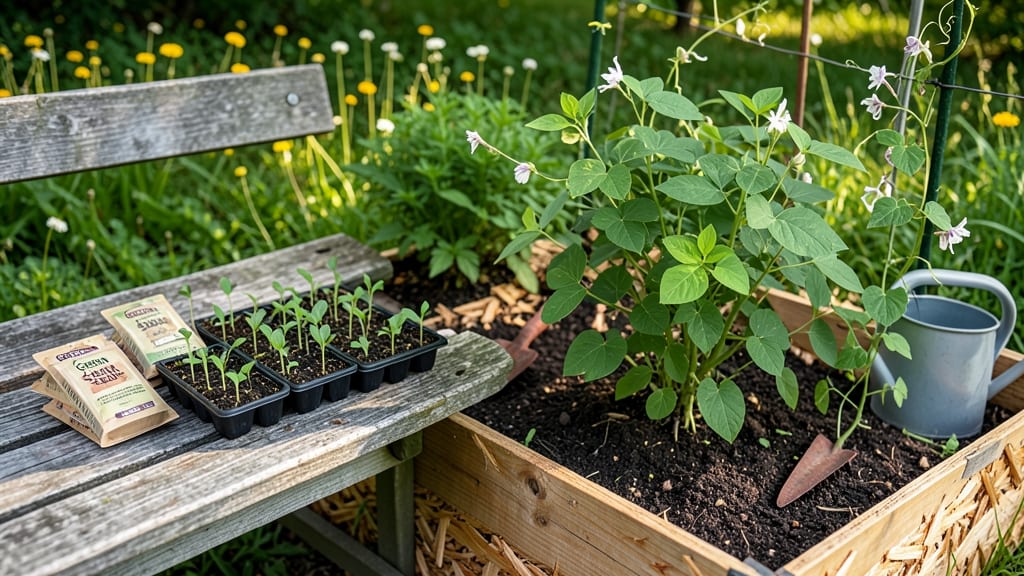
Plant green beans in East Tennessee when soil warms to 60°F—typically 2-3 weeks after your last frost, or mid-April at the latest.
Timing is everything with 🌱 green beans—get it wrong, and you’ll either lose plants to frost or watch them bolt before producing pods. East Tennessee’s Zone 7b climate gives you a narrow window to work with, but with the right approach, you can enjoy a fast, bountiful harvest.
Most gardeners here plant in April or early May, but a second crop in late summer (for fall harvests) is possible if you act quickly. The key is knowing when to start seeds indoors or when to direct-sow for the best results.
Below, I’ll break down the exact dates, soil prep tips, and variety choices that work best in Tennessee’s short growing season—so you can go from seed to pod in 50 days or less.
Best planting windows for green beans in East Tennessee’s zone 7b climate
East Tennessee’s Zone 7b climate offers a perfect window for growing green beans, but timing is critical. The average last frost date in most areas falls around mid-April, while the first frost typically arrives in mid-October.
This gives you a 180-day growing season—ideal for fast-maturing varieties. Plant too early, and frost can damage tender seedlings; too late, and your beans may bolt prematurely before producing pods.
For the best results, focus on two key planting windows: spring (April to early May) and fall (late August to early September).
Spring plantings give you an early harvest, while fall plantings extend your season into cooler months. Soil temperature is your best guide—wait until the ground warms to at least 60°F for optimal germination and growth.
| Planting Window | Ideal Soil Temp | Days to Harvest | Best Varieties | Notes |
|---|---|---|---|---|
| Early Spring (April) | 60°F+ | 50-60 days | Blue Lake, Contender | Use row covers for late frosts |
| Late Spring (May) | 65°F+ | 45-55 days | Kentucky Wonder, Tendercrop | Best for pole beans |
| Fall (Late Aug-Sept) | 60°F+ | 45-50 days | Provider, Blue Lake Bush | Plant 8-10 weeks before frost |
| Containers (April-June) | 60°F+ | 50-60 days | Mascotte, Blue Lake | Use 10"+ pots, trellis for pole types |
If you’re growing bush beans, aim for April 15-30 for spring plantings. These compact varieties mature quickly (about 50 days) and are perfect for small gardens or containers.
For pole beans, which take slightly longer (up to 60 days), plant around May 1-15 to ensure they produce before summer heat sets in.
For fall plantings, start seeds indoors in late July or direct-sow in early August. Choose varieties like Provider or Blue Lake Bush, which tolerate cooler temperatures better.
Plant them in a south-facing location to maximize sunlight during shorter days. Use black plastic mulch to warm the soil and extend the season by 2-3 weeks.
East Tennessee’s microclimates can vary dramatically. Higher elevations (like Great Smoky Mountains areas) may experience frost until late April, while valley regions like Knoxville or Chattanooga can plant earlier.
Check your local frost-free date and adjust accordingly. A simple soil thermometer ($10 at garden centers) will help you track soil temperature accurately.
Container gardening is a great option if your yard has limited space or poor soil. Use 10-inch-deep pots for bush beans and 12-inch-deep containers for pole varieties. Place them in a sunny spot (at least 6-8 hours of sunlight) and water consistently.
Containers warm up faster than garden beds, so you can plant 1-2 weeks earlier than in-ground plantings.
One common mistake is planting too densely, which leads to poor air circulation and increased disease risk. Space bush beans 4-6 inches apart in rows 18-24 inches apart, while pole beans need 4-5 inches apart with a 6-inch trellis.
Thin seedlings to avoid competition, and always plant seeds 1 inch deep for best results.
To maximize your harvest, consider succession planting. Sow a new batch of seeds every 2 weeks from April through June. This ensures a steady supply of fresh beans throughout the summer.
In fall, a single planting in early August can yield pods well into September or October, depending on your frost date.
Remember, green beans thrive in warm soil
How to extend your green bean harvest season in Tennessee
Want fresh green beans from spring through fall in East Tennessee? It’s totally doable with the right strategies! By combining succession planting, cold-hardy varieties, and smart companion planting, you can enjoy a nearly year-round harvest.
The key is timing your replants and protecting tender plants from late frosts or summer heat. Let’s break down how to stretch your growing season like a pro.
First, focus on succession planting—this means sowing new seeds every 2-3 weeks after your initial planting. Since green beans mature in just 50-60 days, staggered plantings ensure a steady supply.
Start your first batch in late April (after the last frost) and keep replanting until mid-July for a fall harvest. This way, you’ll always have some plants at the perfect picking stage.
- 1. Choose cold-tolerant varieties like ‘Blue Lake Bush’ or ‘Contender’—they handle 50°F soil temps better than heat-sensitive types.
- 2. Use row covers for early spring/fall plantings to protect from light frosts (down to 28°F with covers).
- 3. Mulch heavily with straw or grass clippings to keep soil temps stable and retain moisture during Tennessee’s humid summers.
- 4. Plant companion crops like radishes or lettuce between bean rows—they mature fast and free up space for replanting.
- 5. Try a late summer/fall variety like ‘Provider’, which thrives in cooler September temps and resists bolting.
Don’t overlook companion planting—it’s a game-changer for pest control and space efficiency. Pair your green beans with corn or cucumbers to create a natural trellis for pole beans, saving you from buying supports.
Avoid planting near onions or garlic, though, as they stunt bean growth. For extra defense against bean beetles, interplant with marigolds or nasturtiums—their strong scents repel pests naturally.
Spacing is another secret weapon. For bush beans, leave 4-6 inches between plants and 18-24 inches between rows to allow airflow and reduce disease risk. Pole beans need 6 inches apart but can share rows with other low-growing companions.
Thin seedlings to the recommended spacing once they’re 3-4 inches tall—this prevents overcrowding and ensures each plant gets enough nutrients.
When replanting for a fall harvest, aim for seeds to germinate 80-90 days before your first frost (around mid-October in East Tennessee). This usually means your last planting should go in by early August.
Use black plastic mulch to warm the soil and extend the season—it can add 2-3 weeks of growing time in cooler months. Just remember to remove it before the final frost to protect emerging plants.
Finally, don’t forget to harvest regularly—picking beans every 2-3 days encourages more production. The more you harvest, the more your plants will reward you with fresh pods. With these techniques, you’ll enjoy homegrown green beans from May through October—or even longer with a greenhouse or cold frame!