
Plants
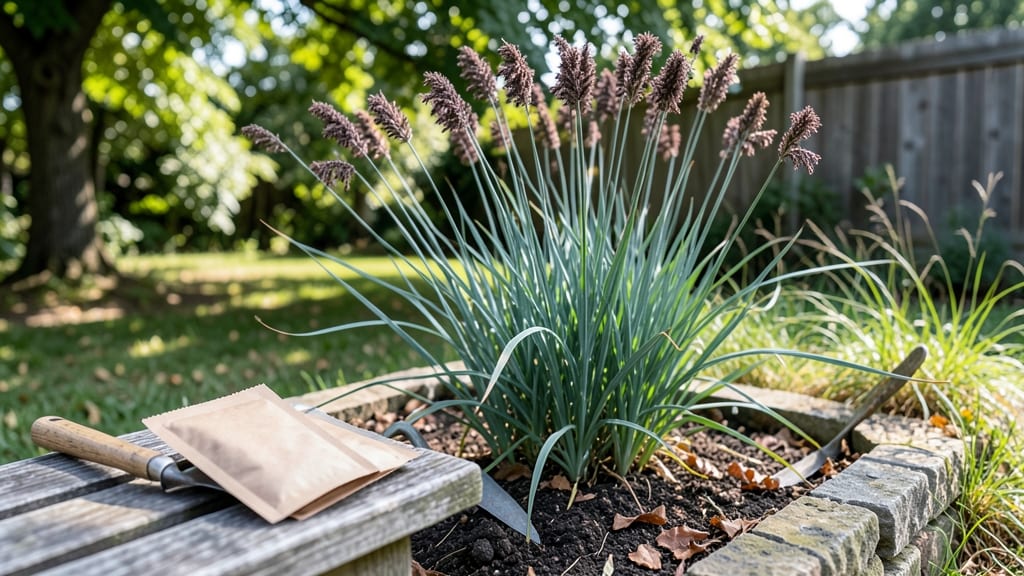
To plant Brown Top Millet 🌾 for doves in Mississippi, aim for late April to early May when soil temperatures hit 60°F—this timing ensures seed maturity just as dove season ramps up.
Mississippi’s hot summers and mild winters create the perfect climate for growing Brown Top Millet—a dove hunter’s favorite—but planting at the wrong time means missed seed production and fewer birds at your feeders. Timing is everything, and these exact months will maximize your harvest for peak dove season.
If you’ve ever watched your millet stand dry up before doves arrive, you know how crucial the planting window is. The key is getting seeds in the ground after the last frost (typically mid-March for most of the state) but before summer heat stresses young plants.
Below, I’ll break down the best planting schedule by Mississippi region, how to adjust for late frosts or droughts, and why early May plantings often yield the most seeds for hungry doves.
Best planting months for brown top millet in Mississippi’s climate zones
Mississippi’s diverse climate zones create unique planting windows for brown top millet. Northern regions like USDA Zone 7b (e.g., Tupelo) have cooler springs, while southern areas like Zone 8b (e.g., Gulf Coast) enjoy earlier warm spells.
These differences mean your planting schedule should shift 1-2 weeks depending on location to ensure seed maturity before dove season peaks in September.
For northern Mississippi, aim to plant brown top millet between mid-April and early May. This window ensures seeds mature by late August when doves are most active.
Southern Mississippi gardeners can start 2-3 weeks earlier, targeting late March to mid-April, thanks to warmer soil temperatures and fewer frost risks.
| Region | Best Planting Window | Soil Temp Requirement | Seed Maturity Window | Dove Season Alignment |
|---|---|---|---|---|
| Northern MS (Zone 7b) | Mid-April to Early May | 60°F+ | Late August to Early October | Peak dove activity |
| Central MS (Zone 8a) | Late March to Mid-April | 55°F+ | Early August to Mid-September | Early dove season |
| Southern MS (Zone 8b) | Late March to Early April | 50°F+ | Mid-July to Late August | Extended dove season |
Temperature fluctuations are the biggest challenge in Mississippi’s climate. A late frost in April can delay germination, while early heatwaves in May may stress young plants. Use a soil thermometer to confirm 60°F+ soil temps before planting—this ensures consistent germination across both northern and southern zones.
For maximum seed production, consider a two-stage planting approach. Start with a small test plot in late March (southern MS) or early April (northern MS) to gauge soil conditions. If the first planting succeeds, follow with a main planting 2-3 weeks later to extend your harvest window for doves.
Brown top millet thrives in full sun and well-draining soil, but Mississippi’s humidity can lead to fungal issues if plants are overcrowded. Space seeds 12-18 inches apart in rows 18 inches apart to allow proper airflow and reduce disease risk.
This spacing also mimics natural wild millet stands, making it more attractive to doves.
In southern Mississippi, where summers are hotter and longer, focus on early April plantings to avoid heat stress during seed development. The Gulf Coast’s higher humidity speeds up growth, so monitor plants closely for powdery mildew—a common issue in Zone 8b.
A light fungicide treatment in June can protect your crop.
Northern Mississippi gardeners should prioritize soil preparation in late winter. Work in compost or aged manure to improve drainage, as clay soils common in Zone 7b can retain too much moisture. This prep ensures your April-May plantings establish quickly before summer heat arrives.
Timing your planting isn’t just about seed maturity—it’s also about dove behavior. Doves prefer mature seed heads that are brown and dry but haven’t yet shattered.
By aligning your planting with late summer seed production, you’ll create a reliable food source when doves are most active in September and October.
Pro tip: Mark your planting dates on a calendar and track 75-day growth periods backward from September 1st. This ensures your brown top millet reaches peak seed production just as doves arrive. Adjust by 1-2 weeks based on your specific microclimate for optimal results. 🌾
How to adjust planting dates for Mississippi’s unpredictable weather patterns
Mississippi’s unpredictable weather can throw off even the best-laid planting plans. Late frosts in April or early heatwaves in May can delay brown top millet growth, leaving you with sparse seed production when doves arrive.
The key is flexibility—adjusting your schedule based on soil temperature, frost-free dates, and backup planting windows.
Start by checking your local frost-free date, which typically falls between March 15 and April 15 in Mississippi. However, northern regions like Tupelo may see frosts as late as April 30, while southern areas like Biloxi rarely experience frost after March 15.
Use these dates as a baseline, but stay ready to adjust.
If a hard freeze hits after you’ve planted, your brown top millet seedlings will die back. Always have a backup planting date—aim for April 15 in northern MS and March 20 in the south.
Use a soil thermometer to confirm temperatures stay above 60°F for 5+ days before planting.
For drought-prone areas, like the Mississippi Delta, consider planting earlier in April to take advantage of spring rains.
If drought hits in May or June, supplement with deep watering every 3-5 days to prevent stunted growth. Mulch around plants with straw to retain moisture and cool roots during heatwaves.
If an early heatwave arrives in May, delay planting until June 1 to avoid stressing seedlings. Brown top millet thrives in 80-90°F temperatures, so let the soil warm naturally. Monitor your plants’ progress—if they bolt too quickly (shoot up fast without seeding), you’ve planted too early.
Create a backup planting schedule with two windows: primary (April 15-May 15) and secondary (June 1-June 15). The secondary window ensures seed maturity by late August, just before dove season peaks. Test soil moisture before planting—dry soil delays germination, so water deeply 24 hours beforehand.
Use shade cloth if planting in early spring to protect seedlings from unexpected cold snaps. Remove it once plants reach 6 inches tall. For northern Mississippi, consider row covers until mid-May.
These adjustments ensure your brown top millet matures on time, even when Mother Nature throws curveballs.