
Plants
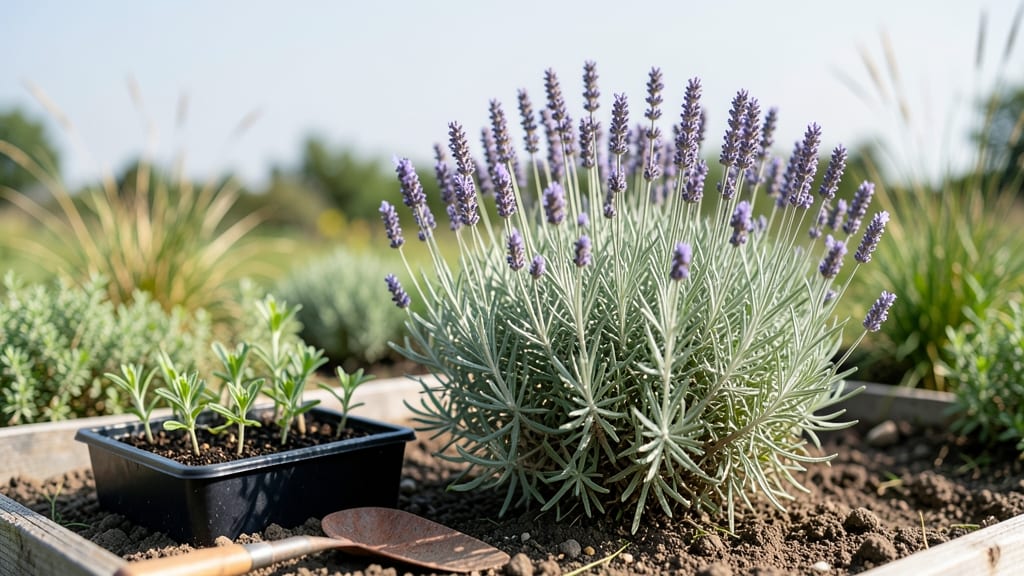
Planting in USDA Zone 6a at the right time can transform a struggling garden into a bountiful harvest—but get the timing wrong, and you’re staring at frost-killed seedlings or bolting greens.
This is where most gardeners trip up: guessing instead of using precise deadlines. The difference between a thriving tomato plant and a sad, leggy seedling often comes down to planting just two weeks too early or late.
In Zone 6a, where last frosts average April 15 and first frosts hit around October 15, cool-season crops like spinach and broccoli need to go in 4-6 weeks before that final frost, while warm-season favorites like peppers and tomatoes wait until after it passes.
Below, I break down the exact windows for vegetables, flowers, and perennials—plus how to adjust for your microclimate, whether you’re in a hot urban pocket or a chilly valley.
USDA Zone 6A planting deadlines by season: exact dates for vegetables, flowers, and perennials
Timing your planting in USDA Zone 6A is all about understanding the last spring frost (around April 15) and first fall frost (around October 15). These dates create your planting windows, but microclimates—like urban heat islands or frost pockets—can shift those deadlines by 2-4 weeks.
I’ve broken down the exact months for cool-season crops, warm-season crops, and perennials to maximize your garden’s potential.
For cool-season crops like spinach, broccoli, and kale, the ideal window is 4-6 weeks before your last frost.
This means starting seeds indoors in early March or sowing directly in late March to early April. Warm-season crops such as tomatoes, peppers, and cucumbers need to wait until after your last frost, typically mid-May, when soil temperatures reach 60°F+.
Perennials, like lavender or coneflowers, often prefer fall planting for established root growth before winter.
Here’s a quick reference for Zone 6A planting deadlines by season, including soil temperature requirements and microclimate adjustments:
| Season | Planting Window | Soil Temp (°F) | Plant Types | Microclimate Adjustments |
|---|---|---|---|---|
| Early Spring | March 15–April 1 | 40–50°F | Peas, Lettuce, Spinach, Onions | Urban areas: Start 2 weeks earlier |
| Late Spring | April 15–May 15 | 50–60°F | Broccoli, Carrots, Radishes, Pansies | Frost pockets: Delay by 1–2 weeks |
| Summer | May 15–June 30 | 60°F+ | Tomatoes, Peppers, Cucumbers, Marigolds | Urban heat: Plant heat-lovers 1 week earlier |
| Early Fall | August 15–September 15 | 50–60°F | Kale, Beets, Swiss Chard, Snapdragons | Wind-exposed areas: Use row covers |
| Late Fall | September 15–October 15 | 40–50°F | Garlic, Tulip Bulbs, Perennials | Rural areas: Plant bulbs by Oct 1 |
In early spring, focus on cool-hardy crops like peas and lettuce, which can handle 40–50°F soil. These plants thrive in March–April, but if you’re in an urban heat island, you can push seeds out 2 weeks earlier since concrete retains heat.
For late spring, broccoli and radishes love 50–60°F soil, so aim for April 15–May 15. If you’re in a frost pocket (like a valley), wait until May 1 to avoid surprise frosts.
Summer planting in Zone 6A is all about warm-season crops like tomatoes and
How to adjust planting times for microclimates in Zone 6A: urban heat islands, frost pockets, and wind exposure
Zone 6A gardeners face unique challenges where urban heat islands can push planting dates earlier by 2-3 weeks, while frost pockets in low areas delay them. Understanding these microclimates helps you avoid frost damage or heat stress in your plants.
For example, my urban backyard hits 90°F by mid-May—perfect for heat-loving tomatoes and peppers two weeks ahead of rural neighbors.
Start by mapping your garden’s sun exposure and wind patterns. South-facing walls trap heat, creating microclimates ideal for warm-season crops like okra or sweet potatoes.
Meanwhile, north-facing slopes or valleys often experience later frosts, pushing back planting for frost-sensitive plants like basil or cucumbers until after Memorial Day.
- 🔥 Urban Heat Islands: Plant heat-loving crops (e.g., peppers, eggplant) 2-3 weeks earlier (late April) than rural areas.
- ❄️ Frost Pockets: Delay frost-sensitive plants (e.g., tomatoes, squash) until 2 weeks after your average last frost date (mid-May).
- 🌬️ Wind Exposure: Use windbreaks (e.g., bamboo fencing, evergreen hedges) to protect delicate seedlings (e.g., lettuce, spinach) from drying winds.
- 🌿 Shaded Areas: Extend cool-season crops (e.g., kale, carrots) into late summer (August) by planting in partial shade where heat builds up slower.
- ☀️ South-Facing Beds: Plant warm-season crops 1 week earlier in full sun, as soil warms 3-5°F faster than shaded areas.
For wind-prone areas, I recommend installing temporary windbreaks like cattle panels or corn stalks to shield young seedlings. This simple trick can mean the difference between wilting and thriving broccoli or cauliflower plants. Even a 6-foot-tall barrier reduces wind speed by 50%, creating a microclimate of calm.
Monitor your garden’s soil temperature with a soil thermometer—ideal temps for planting warm-season crops are 60-65°F. In urban areas, this often happens 1-2 weeks earlier than in rural zones.
For example, I plant cucumbers in my city garden by May 1st, while rural gardeners wait until May 15th.
Use row covers or cold frames to extend your planting window in frost-prone areas. These tools can push back the first frost date by 2-3 weeks, allowing you to plant late-season crops like kale or spinach in early September.
I’ve successfully grown garlic through winter using straw mulch and row covers in my frost pocket.
Finally, observe your garden’s microclimate patterns for at least 2 years to refine your planting schedule. Keep a garden journal noting when frosts occur, how quickly soil warms, and which areas stay drier or cooler. This data becomes your personalized planting guide for years to come. 🌱