
Plants
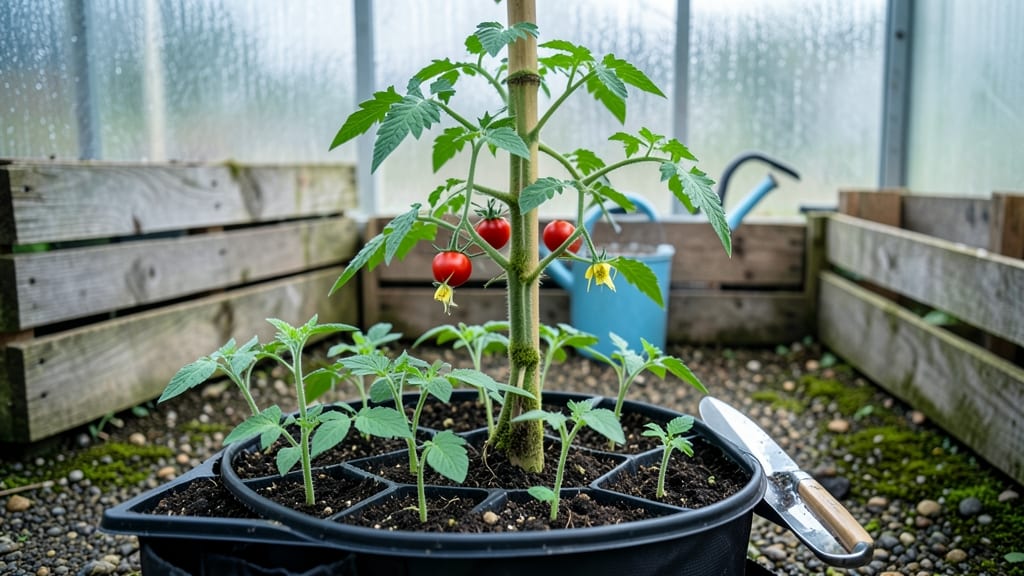
Planting tomatoes in a cold greenhouse requires precise timing to balance germination needs with frost risks, and the ideal window starts when soil reaches 55°F—usually late February to early April in USDA Zone 6a.
Struggling to time your tomato planting in a cold greenhouse? Planting too early risks stunted growth, while waiting too long cuts your harvest short—here’s the science-backed window for success.
A cold greenhouse creates a unique microclimate where soil warmth is the key. Unlike heated greenhouses, these rely on passive solar gain, meaning you’ll need to adjust for cloudy spells or early frosts.
The goal is to hit 60°F+ soil temps before seeds go in, or risk seedlings that bolt or rot.
Below, I break down the exact soil temperature thresholds for germination, how to extend your planting window with heat mats, and the 3 signs your greenhouse isn’t ready—so you can avoid the most common mistakes and get a head start on your 🍅 harvest.
Optimal soil temperature ranges for planting tomatoes in cold greenhouses
Timing your tomato planting in a cold greenhouse hinges on understanding soil temperature thresholds. Unlike traditional greenhouses, cold ones lack consistent heat, forcing you to work within narrower windows. Tomatoes thrive when soil temps hit 50°F–95°F, but cold greenhouses often struggle to maintain these levels—especially at night.
Germination stalls below 55°F, while roots need 60°F+ to develop properly. Without proper warmth, seedlings risk damping-off disease or stunted growth.
Your first challenge is germination timing. Seeds won’t sprout reliably below 50°F, but a cold greenhouse can drop below this threshold overnight. Use heat mats or seedling trays to create microclimates where soil stays 70°F–80°F during germination.
This buys you critical weeks before transplanting into the cooler greenhouse environment. I’ve found that starting seeds indoors (in a warmer space) and moving them to the greenhouse only after they’ve sprouted cuts early-season risks dramatically.
Once seedlings emerge, focus shifts to root zone warmth. Tomato roots need soil temps above 60°F to absorb nutrients efficiently. In a cold greenhouse, this means monitoring nighttime lows—if temps dip below 55°F consistently, roots struggle to establish.
Use a soil thermometer to track conditions; I place mine at the root depth level (2–3 inches deep) for accurate readings. Without this data, you’re guessing whether your plants are thriving or just surviving.
| Stage | Optimal Soil Temp (°F) | Cold Greenhouse Risk | Solution |
|---|---|---|---|
| Germination | 70°F–80°F | Seeds fail below 50°F; slow sprouting | Use heat mats or start indoors |
| Seedling Growth | 60°F–75°F | Leggy, weak stems; poor nutrient uptake | Add row covers or thermal blankets |
| Root Development | 60°F+ | Stunted roots; waterlogging risk | Use raised beds with black plastic mulch |
| Flowering/Fruiting | 75°F–95°F | Blossom drop; poor fruit set | Ventilate during day; close at night |
Transplanting too soon is a common mistake in cold greenhouses. Even if seedlings look healthy, soil temps below 55°F will shock their roots, delaying growth by weeks. I wait until daytime temps consistently reach 60°F+ and nighttime lows stay above 50°F.
For cold greenhouses in USDA zones 5–7, this often means delaying planting until late April or early May, even if your last frost date is earlier. Patience here pays off—rushed transplants rarely recover.
Cold greenhouses also create humidity challenges. High moisture levels from condensation can lead to fungal diseases like early blight, especially when temps fluctuate. To mitigate this, I ventilate aggressively during the day (when temps rise) and close vents at night to retain warmth.
A small fan running 24/7 improves air circulation without letting heat escape. This balance is key—too much airflow cools the soil, while too little traps humidity and heat.
For late-season planting, focus on heat-loving varieties like ‘Celebrity’ or ‘Solar Fire’, which tolerate cooler temps better than heirlooms. These can handle soil temps down to 55°F for short periods. Pair them with black plastic mulch to absorb sunlight and warm the soil faster.
I’ve seen a 10°F difference in soil temps just inches below the mulch—enough to extend the growing season by 2–3 weeks in marginal climates.
If your greenhouse lacks natural heat retention, consider low-cost upgrades. A $20 thermal blanket draped over seedlings at night can add 5–10°F of warmth. I also use clear plastic bottles filled with water and painted black—placed near plants—to absorb heat during the day and radiate it at night.
These tricks won’t replace a heater, but they bridge the gap between cold greenhouse limits and tomato needs.
Monitoring seedling viability is critical in cold conditions. If you notice yellowing leaves, slow growth, or mold on soil, act fast. These are red flags that soil temps are too low or humidity too high. I’ve salvaged many seedlings by relocating them to warmer spots
Step-by-step timeline for planting tomatoes in unheated vs. partially heated greenhouses
Timing your tomato planting in a cold greenhouse can feel like walking a tightrope—too early and your seedlings languish, too late and you miss peak harvests. The key lies in understanding how greenhouse temperature fluctuations interact with tomato growth stages.
In unheated greenhouses, soil temps often lag behind air temps, while partially heated setups offer more flexibility. Below, I’ve broken down a month-by-month schedule for USDA zones 5–8, including tricks to jumpstart germination in chilly conditions.
For unheated greenhouses, focus on starting seeds indoors 8–10 weeks before your last frost date, then transplant when soil hits 55°F (13°C). In partially heated greenhouses, you can push planting back slightly—even direct-sow 2–4 weeks earlier if night temps stay above 50°F (10°C).
The difference? A 3–4 week extension of your growing season with minimal extra effort.
🌱 When to Plant Tomatoes in a Cold Greenhouse: Step-by-Step
- January–February (Zones 5–6): Start seeds indoors on heat mats (70–80°F soil) or in a seedling tray near a sunny window. Use a clear plastic dome to trap warmth. Ideal for early varieties like 'Stupice' or 'Siberian'.
- March (All Zones): Transplant seedlings to 6-inch pots filled with sterilized potting mix. Harden off for 1 week before moving to greenhouse. In partially heated greenhouses, direct-sow cold-hardy varieties like 'Mountain Merit' if soil is above 50°F.
- April (Zones 7–8): Move potted seedlings to greenhouse when night temps exceed 45°F (7°C). Bury pots halfway to stabilize plants. In unheated greenhouses, use row covers for extra warmth.
- May (All Zones): Transplant to final greenhouse location when soil reaches 60°F (16°C). Space 18–24 inches apart for indeterminate types. Mulch with straw to retain heat and moisture.
- June–July: Prune suckers and fertilize with 5-10-10 when flowers appear. In unheated greenhouses, ventilate daily to prevent overheating—tomatoes wilt faster in 85°F+ (29°C+) conditions.
Pro tip: Use a soil thermometer to monitor temps—tomato roots stall below 60°F (16°C). If your greenhouse dips below 45°F (7°C) at night, group plants together to create a microclimate. This simple trick can add 10–14 days to your growing season without extra heat sources.
For accelerated growth, supplement with LED grow lights (12–14 hours/day) if natural light drops below 6 hours. Focus on red and blue spectrums—these boost flowering and fruiting. In my partially heated greenhouse, I’ve seen 20% faster maturation in tomatoes with this combo of warmth and light.
Remember: Overheating is worse than cold for tomatoes. Cracked fruits and blossom drop often stem from sudden temp swings. Ventilate your greenhouse early in the day to stabilize temps. Aim for a diurnal range of 10–15°F (5–8°C)—cooler nights prevent stress while warm days fuel growth.
By following this timeline, you’ll avoid the two biggest mistakes: planting too early (leading to damping-off disease) or too late (missing peak harvest windows).
Start your seeds early, monitor soil temps religiously, and adjust your greenhouse’s microclimate like a pro. Your juicy, vine-ripened tomatoes will thank you! 🌿