
Plants
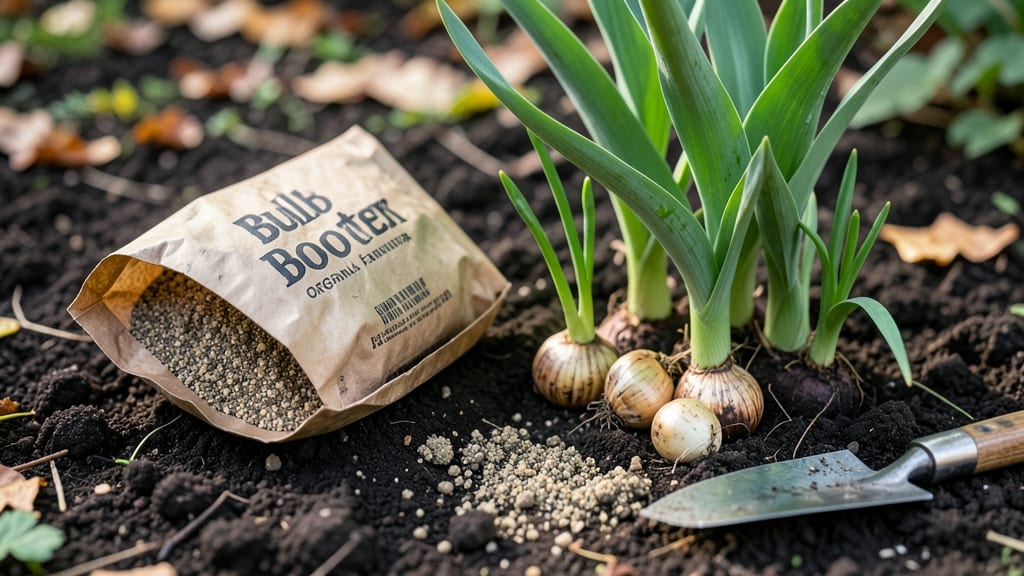
Planting tulip bulbs in Zone 7 during the right fall window is the secret to vibrant spring blooms that outshine the neighbors.
Picture this: you’ve chosen the perfect 🌷 varieties, but if you plant too early, they’ll rot; too late, and they won’t root before winter. The 4-6 week window before the ground freezes is your golden ticket.
In Zone 7 (General), that means aiming for October to mid-November—when soil temps drop below 60°F but before the first hard frost locks them out. Skip this timing, and you risk weak stems or no flowers at all.
Below, I’ll break down the exact dates for your region, soil prep tricks, and how to adjust if your fall runs hot or cold. Let’s get those bulbs in the ground for a showstopping spring.
Optimal fall planting window for Zone 7 tulip bulbs
Zone 7 gardeners have a 4-6 week window to plant tulip bulbs for vibrant spring blooms. The ideal timing ensures bulbs establish roots before winter dormancy. Missing this window risks weak growth or no flowers at all.
Tulips need 40-50°F soil temperatures to sprout successfully. Planting too early exposes bulbs to fungal diseases, while planting too late prevents root development before freezing.
Northern Zone 7 (7a) typically freezes by mid-November, while southern Zone 7 (7b) may hold until late November. Adjust your planting schedule based on your specific microclimate.
Soil temperature is the most critical factor. Use a soil thermometer to confirm 50-60°F readings before planting. This usually occurs in late October for most of Zone 7.
Here's your month-by-month planting guide for Zone 7 tulips:
| Zone 7 Region | Best Planting Window | Soil Temp Threshold | Frost Risk | Action |
|---|---|---|---|---|
| Northern Zone 7 (7a) | October 15 - November 1 | 50-60°F (10-15°C) | High after Nov 15 | Plant by October 31 |
| Central Zone 7 | October 20 - November 10 | 50-60°F (10-15°C) | Moderate after Nov 20 | Plant by November 1 |
| Southern Zone 7 (7b) | October 25 - November 15 | 50-60°F (10-15°C) | Low until Nov 25 | Plant by November 10 |
| All Regions | 6 weeks before frost | Minimum 50°F (10°C) | N/A | Plant bulbs 6-8" deep |
🌱 Use local frost dates as your final deadline
For northern Zone 7 gardeners, aim to finish planting by October 31. This gives bulbs 6-8 weeks to establish roots before winter. Use a soil thermometer to verify temperatures are consistently below 50°F.
Southern Zone 7 gardeners have more flexibility. Plant through mid-November if your soil stays above 50°F. However, avoid planting after early December when frost becomes likely.
Watch for local weather forecasts showing the first frost date. Tulips need 4-6 weeks of cool soil temperatures to develop strong roots before winter dormancy begins.
If your area experiences early frosts, plant bulbs in containers instead. This allows you to move them to a protected location if needed, extending your planting window.
Pro tip: Plant daffodil bulbs alongside tulips. Daffodils deter squirrels and deer that might dig up your tulips for winter snacks.
How to prepare soil and plant tulip bulbs for maximum blooms
Great tulip blooms start long before spring—it all begins with fall soil prep and proper planting. In Zone 7, your bulbs need 6-8 weeks of cool soil to develop strong roots before winter dormancy.
Skipping these steps often leads to weak stems or no flowers at all. Let’s break down the exact process to give your tulips the best possible start.
First, focus on well-draining soil with a neutral pH (6.0-7.0). Tulips hate soggy conditions, which can rot bulbs before they even sprout. If your soil is heavy clay, mix in 2-3 inches of compost or sand to improve drainage.
A quick soil test (available at garden centers) will tell you if you need to adjust pH with lime or sulfur.
Step-by-Step Planting Guide for Zone 7
- 1 Choose the right location: Select a spot with full sun (6+ hours/day) and well-draining soil. Avoid low areas where water pools.
- 2 Loosen the soil: Dig a hole 6-8 inches deep (about 3x the bulb height) and 4-6 inches apart. Break up compacted soil with a fork to encourage root growth.
- 3 Plant bulbs pointy-side up: Place each bulb with the sharp end facing upward and roots spread outward. This ensures proper orientation for sprouting.
- 4 Cover with soil and water: Backfill the hole with soil, leaving 1 inch of space between the soil and bulb tip. Water deeply to settle the soil and eliminate air pockets.
- 5 Add mulch for winter protection: Apply 2-3 inches of mulch (straw or shredded leaves) to insulate bulbs and retain moisture. Remove mulch in early spring to prevent rot.
After planting, avoid fertilizing—your bulbs need to focus on root growth, not foliage. In early spring, once green shoots appear, add a light fertilizer (5-10-10) to support flowering.
Water moderately (1 inch per week) but never let the soil stay soggy. Overwatering in winter can suffocate bulbs before they bloom.
Pro tip: If you’re planting daffodils or alliums alongside tulips, space them 6 inches apart to reduce competition for nutrients. These companions also deter voles and squirrels, which love digging up tulip bulbs. A chicken wire cage over newly planted beds can also help in high-predator areas.
With these steps, your Zone 7 tulips will emerge with stronger stems and bigger blooms next spring. The key is giving them the perfect fall foundation—just like building a house, you can’t rush the groundwork! 🌷