
How To
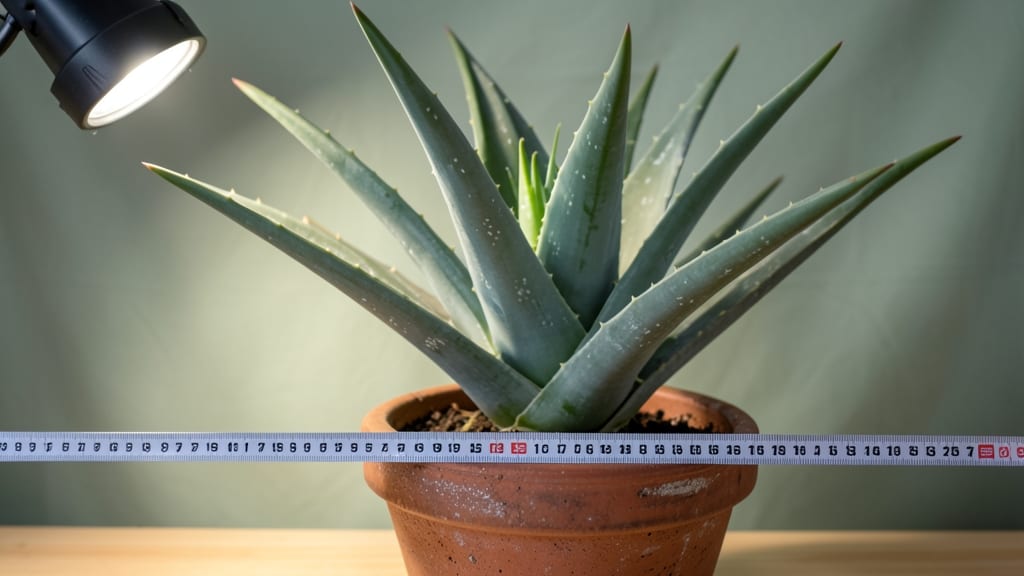
Aloe plants need bright, direct sunlight for at least 6 hours daily to grow strong and healthy—too little light turns them leggy, while too much can scorch those beautiful leaves.
Struggling to keep your aloe plant thriving? Light exposure is the #1 factor that determines whether your 🌱 grows strong or turns weak and stretched. If you’ve ever watched your plant lean toward the window like a sunbather, you’re not alone—most aloe owners miss the mark on light.
Outdoors, aloe thrives in full sun but can handle a few hours of indirect light, especially in hot climates. Indoors, a south-facing window is ideal, but if your space is dim, grow lights can save the day.
Below, I’ll break down exactly how much light your aloe needs, how to spot the signs of over- or under-lighting, and how to adjust for different seasons.
You’ll also discover the best placement tips for both indoor and outdoor setups, plus how to fix common light-related issues like yellowing leaves or slow growth—so your aloe stays happy year-round.

Ideal sunlight requirements for aloe vera: direct sun vs. indirect light
Aloe vera plants thrive under bright, direct sunlight, but finding the perfect balance is key. Too little light causes leggy growth, while too much can scorch those beautiful thick, fleshy leaves.
As someone who’s nursed multiple aloes back to health, I’ve learned that 6 to 8 hours of sunlight daily is the sweet spot for most climates. This succulent is native to arid regions, so it’s built to handle heat—but that doesn’t mean it’s invincible!
In hot, dry climates (like USDA zones 8-11), aloe plants can tolerate full sun exposure all day, especially if they’re acclimated gradually. However, in cooler or humid regions (zones 6-7), afternoon shade becomes crucial to prevent sunburn.
Even a few hours of intense afternoon sun can turn leaves yellow or brown if your aloe isn’t used to it.
| Light Condition | Daily Sunlight Needs | Best For | Signs of Stress |
|---|---|---|---|
| Direct Sun | 6–8 hours (morning sun preferred) | Outdoor pots, desert gardens | Brown patches, crispy edges |
| Indirect Light | 4–6 hours (bright, filtered) | East-facing windows, shaded patios | Stretched, pale leaves |
| Low Light | <2 hours (avoid) | North-facing windows, basements | Leggy stems, weak growth |
For indoor aloe plants, a south- or west-facing window is ideal because it mimics their natural habitat. If your home only has north-facing windows, supplement with a grow light for 12–14 hours daily to prevent etoliation (those sad, stretched-out stems).
I’ve seen aloes in offices with fluorescent lights survive, but they’ll never grow as robustly as those basking in natural light.
Outdoor aloes love morning sun and afternoon shade in hot climates. If you’re moving a potted aloe outside, acclimate it slowly—start with 1–2 hours of sun per day and gradually increase over 1–2 weeks.
Sudden exposure can cause sunburn, and trust me, no one wants to watch their aloe turn into a sad, crispy mess!
Watch for these telltale signs of light issues: Yellowing leaves often mean overwatering + too much sun, while red or purple hues signal underwatering + insufficient light. Brown tips?
That’s usually sunburn or fluoride in tap water. If your aloe’s leaves start curling inward, it’s begging for more light—like a plant version of stretching after a nap.
In winter months, aloe plants can handle less direct sun since daylight is shorter. A bright windowsill or a grow light for 6–8 hours will keep it happy.
I’ve kept aloes alive in low-light apartments using a simple LED grow bulb, but growth slows dramatically compared to sun-soaked plants. If you’re growing aloe for its healing gel, prioritize light—thicker leaves mean more potent gel!
Pro tip: Rotate your aloe quarterly so all sides get even light exposure. This prevents lopsided growth and ensures your plant stays compact and symmetrical. I rotate mine every 2–3 months, and it makes a noticeable difference in how full and healthy they look.
Even a 180-degree turn every few weeks helps!
Remember, aloe vera is a succulent, not a shade-loving fern. If you’re struggling with light, start small: place your aloe near a window for a few hours, then gradually increase exposure.
And if all else fails, grow lights are your best friend—they’re the difference between a thriving aloe and a struggling one. ☀️🌱
How to adjust light for aloe plants in different environments
Aloe plants are famously low-maintenance, but their light requirements can make or break their health. Too little sunlight leads to leggy growth, while too much can scorch those beautiful thick leaves.
The key is finding the right balance—whether you're growing aloe indoors near a south-facing window or outdoors in your sunny garden.
For most aloe varieties, 6 to 8 hours of direct sunlight is ideal. However, this changes based on your location, season, and even the specific aloe species you're growing. Let’s break down how to adjust light for different environments so your aloe stays vibrant and healthy year-round.
⚠️ callout-warning
⚠️ Critical Light Rule for Aloes
Aloe plants need at least 6 hours of bright light daily—but direct midday sun can burn leaves in hot climates. If outdoors, provide morning sun + afternoon shade. Indoors? A south-facing window is best, but rotate your pot weekly to prevent leaning.
Signs of too much light: Brown, crispy leaf tips. Signs of too little: Pale, stretched leaves.
If you're growing aloe indoors, a south-facing window is your best bet, as it provides the most consistent light. But what if your home lacks natural sunlight? Place your aloe near a west-facing window for afternoon light or supplement with a grow light for 12–14 hours daily.
Avoid north-facing windows—they offer low light intensity, leading to weak, spindly growth.
For outdoor aloe plants, full sun is perfect in cooler climates (like USDA Zone 5-7), but in hot, dry areas (e.g., deserts), provide afternoon shade to prevent leaf burn.
Mulch around the base to retain moisture and protect roots from extreme heat. In containers, ensure pots have drainage holes to prevent root rot from overwatering in low-light conditions.
Troubleshooting light issues is easier than you think. If your aloe’s leaves turn yellow or brown, it’s often a sign of overwatering in low light. Move it to a brighter spot and reduce watering.
If leaves stretch and become pale or thin, it’s craving more light—rotate the pot toward sunlight or add a grow light. Remember, aloes are sun lovers, but they appreciate a little adaptation based on their environment.
Seasonal adjustments are key too. In winter, when daylight is shorter, supplement with a grow light if indoors. Outdoors, aloes may enter a dormant phase in cold climates—reduce watering and protect from frost.
With the right light tweaks, your aloe will reward you with thick, plump leaves and minimal stress.