
Plants
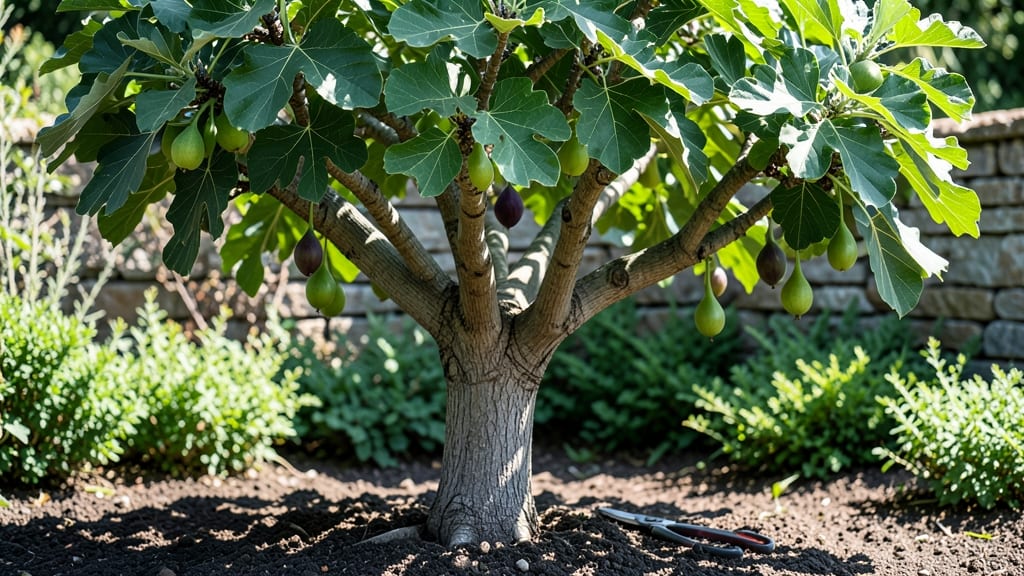
Wondering how much light does a fig plant need? The answer is 6 to 8 hours of direct sunlight daily—any less and you’ll miss out on that sweet, homegrown harvest.
Fig plants are prized for their sweet fruit and lush foliage, but getting the light right is the secret to thriving growth—too little sun and they languish, too much and they scorch. Here’s exactly how to balance sunlight for a fig plant that bears fruit year after year.
Outdoor figs in USDA Zone 6a love full sun, but container-grown plants or those in cooler climates may need adjustments. Indoor figs need bright, indirect light near a south-facing window, while outdoor varieties can handle afternoon shade in hot summers.
Below, I’ll break down the ideal light setup, how to spot signs of too much or too little sun, and the best solutions for low-light spaces—so you can keep your fig plant healthy and productive.

Fig plant sunlight requirements by variety: indoor vs outdoor needs
Fig plants thrive when given the right amount of sunlight, but their needs vary dramatically between varieties and environments. Outdoor figs typically demand 6-8 hours of direct sun daily, while indoor figs often struggle without supplemental lighting.
The key is matching your plant’s variety to its light source—some, like Celestial figs, tolerate partial shade, while others, like Brown Turkey figs, scorch without full sun.
Understanding these differences prevents common issues like leaf burn or stunted growth. For example, Chicago Hardy figs can handle cooler climates with 4-6 hours of sun, making them ideal for northern gardens.
Meanwhile, container-grown figs need even more attention to light exposure, as pots heat up faster and dry out quicker than in-ground plants.
Here’s a quick reference to compare how common fig varieties adapt to indoor vs outdoor light conditions, including their tolerance for shade and direct sun.
For outdoor figs, positioning matters just as much as sunlight. Plant them in a spot with morning sun and afternoon shade in hot climates to prevent leaf scorch. In cooler regions, south-facing walls or greenhouses extend the growing season by trapping heat.
Always mulch around the base to regulate soil temperature and retain moisture, especially for container-grown figs.
Indoor figs present unique challenges because most homes lack the intensity of natural sunlight. A south-facing window is your best bet, but even then, you’ll likely need to supplement with grow lights for 12-14 hours daily during winter.
LED grow lights with a full-spectrum bulb mimic sunlight best, but fluorescent lights work too if placed within 6 inches of the plant.
If your fig is indoors, rotate it quarter-turns weekly to prevent lopsided growth toward the light source. Watch for yellowing leaves or weak stems, which signal insufficient light.
Outdoor figs, meanwhile, may show brown leaf edges if exposed to too much harsh afternoon sun, especially in USDA Zones 9-11.
Container-grown figs require extra care because pots dry out faster and can’t regulate temperature like in-ground plants. Use terracotta pots to prevent overheating and always place containers on elevated stands to improve airflow. In low-light indoor spaces, consider a self-watering planter with built-in grow lights to maintain consistent conditions.
Regional adjustments are critical. In tropical climates, figs thrive with dappled shade during peak afternoon heat, while temperate zones benefit from full sun exposure. Even within the same variety, a Chicago Hardy fig in Zone 5 may need 2 hours less sun than one in Zone 8.
Always observe your plant’s response and adjust gradually—sudden light changes can shock figs and stunt growth.
Pro tip: Use a light meter or plant light sensor to measure foot-candles (ideal range is 2,000-5,000 foot-candles for figs). If your indoor space falls short, invest in a smart grow light with adjustable spectra to mimic natural sunlight cycles.
With the right balance, your fig will reward you with sweet, abundant fruit year after year.
Signs your fig plant isn’t getting enough (or too much) light
Fig plants thrive in bright, direct sunlight, but they’re sensitive to light imbalances. If your plant’s leaves are turning pale or crispy, it’s likely struggling with light stress. Even fruit development suffers when sunlight isn’t just right—small, hard figs or no fruit at all are classic red flags.
Too little light causes weak, leggy stems and sparse foliage, while too much leads to sunburned leaves and stunted growth. The key is finding that sweet spot where your fig gets 6-8 hours of sunlight daily without overheating.
Let’s decode the warning signs so you can adjust before it’s too late.
⚠️ How Much Light Does a Fig Plant Need?
Ideal: 6-8 hours of direct sunlight daily for outdoor figs.
Minimum: 4-6 hours for container-grown or indoor figs (with supplemental light).
Danger Zone: Less than 4 hours (leggy growth, poor fruit) or over 10 hours in extreme heat (leaf scorch).
🌱 Pro Tip: Gradually acclimate figs to new light conditions to avoid shock—move containers or prune leaves over 1-2 weeks.
Start by checking your fig’s leaf color. Yellowing between veins signals chlorosis, often from too little light, while crispy, brown edges mean sunburn. Both issues require immediate attention—chlorosis needs more light, while sunburn demands shade or afternoon protection.
Weak, spindly stems with long gaps between leaves are another clue your fig is stretching toward light. This etiolation happens when indoor figs sit too far from windows. Rotate the pot weekly to ensure even growth, and consider a grow light if natural light is insufficient.
For outdoor figs, watch the fruit quality. Figs grown in low light stay small, hard, and flavorless, while those in intense afternoon sun may develop bitter or mealy flesh.
The solution? Place your fig where it gets morning sun and afternoon shade, especially in hot climates like USDA Zones 8-10.
If your fig’s leaves are curling or dropping, it could be adjusting to sudden light changes. Move potted figs gradually, and avoid placing them in direct midday sun after weeks of shade. For container figs, use a lightweight shade cloth (30-50% block) during peak hours to prevent stress.
Remember, figs are resilient—with the right light balance, they’ll reward you with juicy, sweet fruit and vibrant foliage. Start by observing your plant’s growth patterns and adjust incrementally. A little patience goes a long way in keeping your fig thriving! 🍇