
Plants
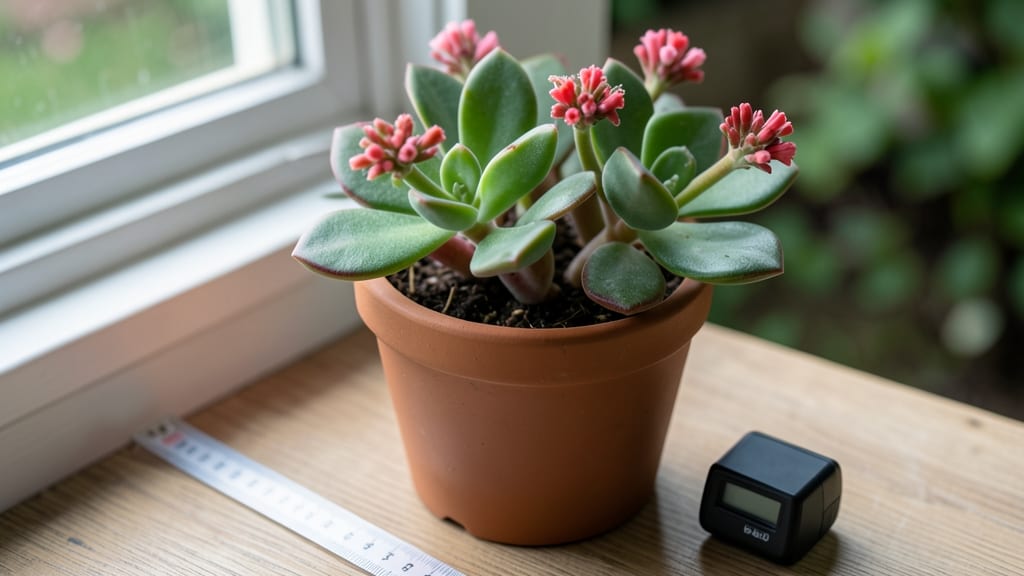
A kalanchoe plant needs bright, indirect light for 6+ hours daily to thrive and bloom—too little, and it stretches like a sleepy cat reaching for the sun.
If your kalanchoe 🌸 is stretching toward the window like a sun-worshipping sunflower, it’s not being dramatic—it’s desperate for the right light. Get this wrong, and you’ll end up with leggy, weak stems instead of the vibrant blooms and compact growth you crave.
This succulent loves east or west-facing windows where sunlight filters through sheer curtains, or a south window with a few feet of distance. Too much harsh midday sun? The leaves may scorch. Too little? The plant will grow tall and spindly, chasing any light source.
Below, I’ll show you how to spot the signs of poor lighting, where to place your kalanchoe for optimal health, and how to adjust for indoor vs. outdoor conditions—so you can keep those blooms coming year-round.

Ideal light requirements for kalanchoe: bright indirect sunlight explained
Kalanchoe plants are sun-loving succulents that thrive under bright indirect light. Unlike some houseplants, they can't survive in dim corners—they need at least 4-6 hours of sunlight daily to maintain their compact shape and vibrant blooms.
Too little light leads to etiolation (stretchy stems), while too much direct sun can scorch their delicate leaves.
Think of kalanchoes as goldilocks plants—they need light that's bright but not harsh. A south or west-facing window with sheer curtains creates the perfect balance.
If you notice your plant leaning toward the light, it's begging for more—just don't move it directly into harsh afternoon rays without acclimating it first.
🌸 Key Takeaway: Kalanchoes need bright indirect light for 4-6 hours daily, with protection from intense midday sun. Too little causes stretching, while too much causes leaf burn.
| Light Requirement | Ideal Conditions | Signs of Stress |
|---|---|---|
| Minimum Daily Light | 4-6 hours bright indirect | Stretchy stems, pale leaves |
| Best Window Placement | South/west, 2-3 feet away | Brown leaf tips, crispy edges |
| Direct Sun Tolerance | Morning sun only; afternoon shade | Yellowing leaves, sunburn spots |
| Low-Light Adaptation | Grow lights 6-8 inches away | No blooms, weak growth |
For indoor growing, place your kalanchoe near a window where it gets morning sunlight and dappled afternoon light. East-facing windows work well if they receive consistent light, but avoid north-facing spots—they're too shady.
If your home lacks natural light, supplement with a LED grow light (12-14 hours daily) to prevent stretching.
Outdoor kalanchoes handle partial shade beautifully, especially in hot climates where afternoon sun can be intense. In USDA Zone 6a, you can move them outside in spring (March-April) after the last frost, but bring them back indoors before the first frost in October.
Always acclimate them gradually to avoid sunburn shock.
Watch for leaf color changes—dark green leaves mean your kalanchoe is thriving, while pale or yellowing leaves signal light deficiency. Reddish or brown patches? That's a sign of too much direct sun.
Adjust placement by moving the plant 1-2 feet closer or farther from the window until you find the sweet spot.
Pro tip: Rotate your kalanchoe quarter-turn weekly to ensure even light exposure. This prevents one side from becoming lopsided and encourages balanced growth. If you notice buds forming but not opening, it might need more light—kalanchoes bloom best with 12-14 hours of light daily.
In winter months, when daylight is shorter, supplement with a grow light or move the plant to the brightest room in your home.
Kalanchoes are short-day plants, meaning they bloom in response to long nights, but they still need plenty of light during the day to stay healthy.
Remember: Consistency is key. Sudden changes in light can stress your kalanchoe, so introduce new light conditions gradually over 1-2 weeks. With the right light, your kalanchoe will reward you with compact growth, vibrant blooms, and thick, healthy leaves for years to come. 🌿
How to position your kalanchoe for maximum growth: room-by-room light analysis
Finding the perfect spot for your kalanchoe plant starts with understanding how light behaves in different rooms. These succulent beauties crave bright indirect sunlight, but too much direct sun can scorch their leaves, while too little causes them to stretch like over-caffeinated coffee drinkers.
Let’s break down the best spots in your home—plus how to hack low-light rooms for success.
Your south-facing window is the gold standard for kalanchoes, offering the most intense light. Place your plant 2-3 feet away to avoid leaf burn while still giving it the 4-6 hours of bright light it needs daily.
In summer, you might even need to move it back slightly—afternoon sun can be too harsh for these tropical natives.
If your home lacks ideal windows, don’t despair—grow lights are a game-changer. A simple LED grow bulb (like the Samsung LM300) placed 6-12 inches above your kalanchoe mimics natural light perfectly.
Run it for 12-14 hours daily to compensate for weak windows. Pro tip: Pair it with a white reflective surface (like a mirror or painted wall) to bounce extra light onto your plant.
For outdoor placement, kalanchoes thrive in partial shade during summer’s peak heat but need morning sun to bloom. In cooler months, they can handle more direct sunlight.
If you’re moving yours outside, acclimate it gradually over 1-2 weeks to avoid sunburn shock. Watch for reddish leaves—a sign it’s getting too much sun.
Don’t forget to rotate your plant every 1-2 weeks, even in perfect light. This ensures even growth and prevents your kalanchoe from leaning toward the light like a lovesick teenager.
A simple quarter-turn weekly keeps those stems sturdy and leaves lush. Your reward? A compact, bushy plant bursting with vibrant blooms instead of a sad, stretched-out stick.
When in doubt, observe your kalanchoe’s leaf color and growth pattern. Deep green leaves with no stretching mean you’ve nailed the light balance. But if you see pale, yellowing leaves or long, leggy stems, it’s time to move it closer to a brighter spot—or add a grow light.
Your kalanchoe will thank you with bold blooms and healthy foliage all year round. 🌸