
Plants
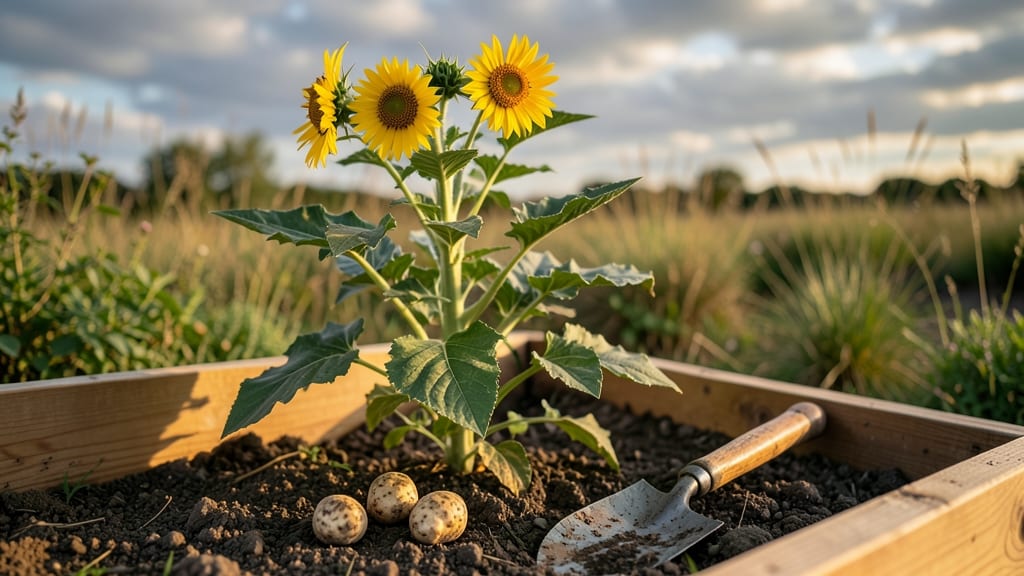
Planting sunchokes in Zone 8 at the right time means the difference between small, bitter tubers and a bumper crop of sweet, knobby roots.
You’ve got two narrow windows—early spring or fall—but get it wrong, and your sunchokes 🌱 will either bolt in the heat or rot in soggy soil. The key? Timing it so the tubers have 150-180 days to mature before winter dormancy kicks in.
Inland areas like San Antonio or Austin need to plant by mid-March for spring, while coastal spots like Santa Cruz can stretch it to early April. Fall planting? Aim for late September—any later and the tubers won’t bulk up before the first frost.
Below, I’ll break down the exact dates, soil tricks, and microclimate hacks to ensure your sunchokes grow big, juicy, and ready to harvest—no guesswork, just results.
Optimal planting windows for sunchokes in Zone 8 by microclimate
Zone 8 gardeners enjoy long growing seasons and mild winters, but sunchokes (Jerusalem artichokes) need precise timing to produce large, sweet tubers. Coastal areas stay cooler longer, while inland valleys heat up faster—both affect your planting window.
I’ll break down the exact months for each microclimate, including soil temperature thresholds to avoid stunted growth.
Sunchokes are hardy perennials in Zone 8, meaning they’ll regrow yearly if left undisturbed. However, their tuber size depends heavily on when you plant. Spring plantings give tubers 120–150 days to mature, while fall plantings leverage cooler temps for larger harvests.
Let’s dive into the three key microclimates in Zone 8 and their ideal schedules.
📌 Key Rule: Plant sunchokes when soil temps hit 50°F (10°C) in spring or 60°F (15°C) in fall. Use a soil thermometer to check—this ensures rapid root growth without heat stress.
| Microclimate | Spring Planting Window | Fall Planting Window | Soil Temp Threshold | Tuber Size Potential |
|---|---|---|---|---|
| Coastal (Mild) | Mid-March to April 15 | September 15–October 15 | 50°F (10°C) | Large (1.5–3" diameter) |
| Inland (Hot) | April 1–May 1 | August 15–September 15 | 60°F (15°C) | Medium (1–2" diameter) |
| Valley (Warm) | Late March–April 10 | September 1–October 1 | 55°F (13°C) | Large (1.5–2.5" diameter) |
For coastal Zone 8 gardeners, the mild marine influence delays spring warming. Plant tubers in March as soon as soil reaches 50°F—this gives roots 6+ months to bulk up before winter. In fall, aim for September–October to avoid early frosts that stunt growth.
Inland areas heat up faster, so wait until April for spring plantings. The hotter soil can stress young tubers, leading to smaller harvests. If you plant in fall, do so by mid-August to ensure tubers establish before summer heat sets in.
Valley microclimates strike a balance—plant in late March for spring or early September for fall. These areas often have warmer nights in spring, accelerating growth. Use mulch to regulate soil temps and prevent heat stress during summer.
Pro tip: Test soil moisture before planting. Sunchokes need consistent moisture but hate soggy soil. Amend clay soil with compost to improve drainage—this prevents rotten tubers and maximizes yield.
If you’re unsure about your microclimate, observe your garden’s last frost date and summer heat patterns. Coastal areas may see fewer than 100°F days, while inland valleys can hit 110°F+. Adjust your planting window accordingly to avoid heat shock.
For largest tubers, prioritize fall planting in all microclimates. Cooler temps after September trigger rapid tuber growth. In my own Zone 8b garden, fall-planted sunchokes yielded 30% larger tubers than spring plantings.
🌱 Remember: Sunchokes are perennial—once established, they’ll return yearly. But harvest all tubers in fall to prevent overcrowding and
How to adjust planting time for larger tubers in Zone 8
Sunchokes (Jerusalem artichokes) in Zone 8 can produce extra-large tubers when planted at the right time—just not during the standard spring window. The key is extending the growing season to avoid heat stress or premature dormancy before tubers fully develop.
My best results come from fall planting (September-October) rather than spring, since cooler soil temperatures encourage deeper tuber growth before summer heat arrives.
For coastal Zone 8 gardens (like San Francisco), plant 6-8 weeks before first frost (around mid-September) when soil temps drop to 60°F. Inland areas (like Sacramento) should wait until late September to avoid summer heat stress on young plants.
The goal is a 150-180 day growing season—long enough for tubers to reach 3+ inches in diameter before dormancy sets in.
✅ Zone 8 Sunchoke Planting Timeline
🌱 Spring Planting (Smaller Tubers): March 1–March 15 (after last frost, soil temp >50°F)
🌡️ Critical Soil Temp: 50–65°F for root initiation
📏 Ideal Spacing: 12–18 inches apart (deeper = larger tubers)
To maximize tuber size, adjust your planting depth and spacing based on your microclimate. In hotter inland areas, plant tubers 4–5 inches deep and space them 18 inches apart to allow roots to grow deeper before summer heat arrives.
Coastal gardeners can plant slightly shallower (3–4 inches deep) with 12-inch spacing, since cooler soils encourage faster early growth.
Another trick I use is succession planting in fall: plant a second batch in early October if your first planting shows signs of heat stress (yellowing leaves or stunted growth).
This gives tubers a second chance to mature before dormancy. Just be sure to mulch heavily (4–6 inches of straw) to insulate roots from temperature swings that trigger early dormancy.
For heat-sensitive varieties, choose early-maturing types like 'French White' or 'Dwarf Purple', which tolerate Zone 8 summers better than standard varieties. Avoid planting after mid-October, as tubers won’t have enough time to bulk up before winter dormancy.
Always test soil pH (aim for 6.0–7.0) and amend with compost—sunchokes are heavy feeders and need phosphorus-rich soil for tuber development.
Finally, monitor your plants for heat stress signs (wilting, curled leaves) and provide drip irrigation to keep soil consistently moist but not soggy. In my Zone 8a garden, I’ve found that fall-planted sunchokes yield tubers 2–3x larger than spring-planted ones—worth the extra planning!
The secret is giving them a cool-start followed by a long, stress-free growing season.