
Plants
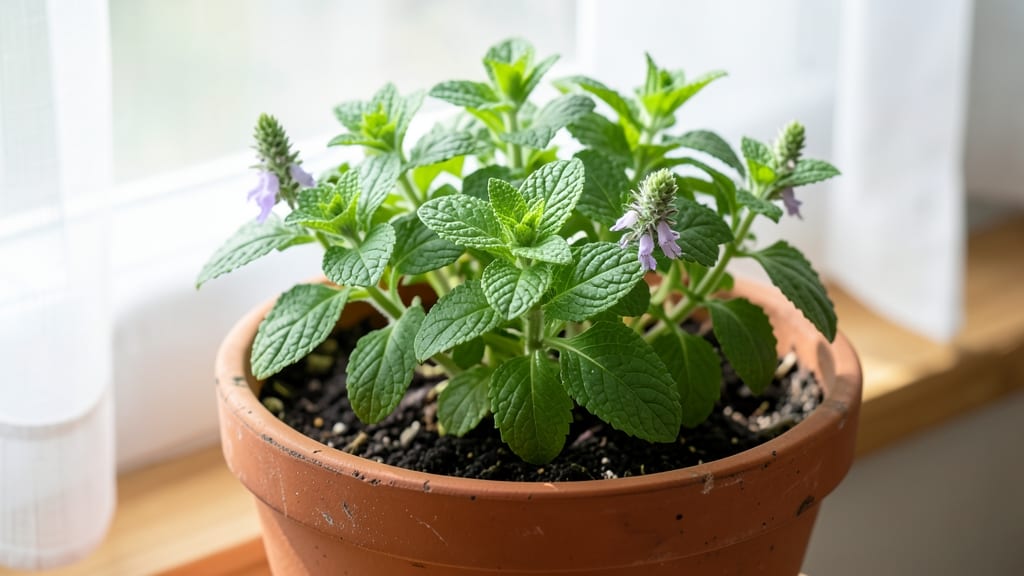
Mint plants typically grow between 1 and 3 feet tall, though their spreading habit makes them feel much larger in the garden.
If you’ve ever wondered why mint seems to take over your garden—or why it’s so hard to contain—you’re not alone. Understanding mint’s growth habits is key to managing it effectively, whether you want lush harvests or controlled spread.
Most mint varieties stay in the 2-foot range, but some, like chocolate mint, can reach closer to 3 feet if left unchecked. The real challenge isn’t just height—it’s how aggressively mint spreads underground, often doubling in size each year.
In this guide, I’ll break down exactly how tall different mint types grow, how to keep them in check, and why pruning at the right time makes all the difference for flavor and yield.


Mint plant height by variety: how tall each type grows naturally
Mint is one of those herbs that grows with surprising enthusiasm—sometimes too much! While most varieties reach 1 to 3 feet in height, their growth patterns vary dramatically. Some stay compact and bushy, while others sprawl aggressively.
Knowing these differences helps you choose the right type for your garden or container. Let’s explore how tall each common mint variety grows naturally.
Understanding mint’s natural growth habits is key to managing it effectively. Some varieties grow upright, forming neat clumps, while others spread horizontally like ground covers. This difference affects how you’ll need to prune, contain, or harvest them.
For example, peppermint can reach 3 feet tall but spreads widely, while apple mint stays shorter but spreads just as aggressively.
Here’s a quick comparison of how tall different mint varieties grow, along with their typical spread and growth habits:
| Variety | Mature Height | Spread | Growth Habit |
|---|---|---|---|
| Spearmint | 18–24 inches | 2–3 feet wide | Upright, bushy |
| Peppermint | 24–36 inches | 3–4 feet wide | Aggressive spreader |
| Chocolate Mint | 12–18 inches | 1–2 feet wide | Compact, trailing |
| Apple Mint | 12–24 inches | 3–4 feet wide | Sprawling, invasive |
| Pineapple Mint | 12–18 inches | 1–2 feet wide | Clumping, fragrant |
| Ginger Mint | 18–24 inches | 2–3 feet wide | Upright, aromatic |
If you’re growing mint in containers, choose compact varieties like chocolate mint or pineapple mint, which stay under 18 inches tall. These are ideal for windowsills or small patios. For larger gardens, spearmint or ginger mint offer a balance of manageable height and spread.
The reason some mint varieties spread so aggressively comes down to their root system. Mint plants produce rhizomes, which are horizontal underground stems that create new shoots. Varieties like peppermint and apple mint have particularly vigorous rhizomes, making them escape artists if not contained.
For upright growers like spearmint, regular pruning encourages bushier growth rather than tall, leggy stems. Pinch back the tips when plants reach 6–12 inches to promote denser foliage. This technique also delays flowering, keeping the leaves tender and flavorful longer.
If you’re dealing with sprawling varieties, containment is key. Use root barriers, deep containers, or raised beds to limit their spread. Without these measures, mint can quickly overtake nearby plants, stealing nutrients and space. I’ve seen peppermint take over an entire garden bed in just one season!
Another factor affecting height is light exposure. While mint thrives in partial shade, too much direct sun can make plants grow taller and leggier. Aim for 4–6 hours of morning sun to keep growth compact and flavorful.
Overly tall mint often indicates it’s stretching toward light, a sign it needs better shade.
Harvesting regularly also influences height. Frequent cutting encourages new growth at the base, keeping plants shorter and bushier. Wait until the plant is at least 6–12 inches tall before harvesting, but don’t let it exceed 18–24 inches unless you’re growing a tall variety like peppermint.
Now that you know how tall each mint variety grows, you can choose the perfect type for your space—and keep it from becoming a garden takeover! Whether you prefer compact containers or sprawling beds, understanding these growth habits will help you grow mint successfully. 🌿
How to control mint growth height & spread: pruning & containment tips
Mint is a fast-growing herb that can quickly reach 2 to 3 feet tall if left unchecked. Its aggressive horizontal spread is legendary—some varieties can creep 5 feet or more in a single season!
The good news? With the right techniques, you can manage its height and contain its spread without sacrificing flavor or yield.
Start by understanding that mint grows best in partial shade to full sun, which fuels its rapid expansion. If you’ve planted it in your garden bed, you’ve likely noticed how it invades neighboring plants.
The key to control lies in pruning, container gardening, and physical barriers. Let’s dive into the most effective methods to keep your mint in check.
Mint plants can grow 3 feet tall and spread 5+ feet wide in ideal conditions. Without containment, it will crowd out other plants and become difficult to manage. Prune regularly (every 4-6 weeks) and use containers or barriers to prevent it from taking over your garden.
One of the simplest ways to control mint’s height is through regular pruning. Pinch back the top growth when the plant reaches 6 to 12 inches tall. This encourages bushier growth and prevents it from becoming leggy.
For best results, trim back one-third of the plant in early spring and again in mid-summer. Always use clean, sharp pruners to avoid damaging the stems.
If you’re struggling with mint’s aggressive spreading habit, consider growing it in containers. Mint thrives in 5-gallon pots or larger, which gives its roots limited space to expand.
Choose containers with drainage holes and use a well-draining potting mix. This method also makes it easier to move mint indoors during winter if you live in a cold climate.
For garden beds, install underground barriers like plastic edging or metal sheets buried 12 inches deep around the plant. This blocks mint’s creeping rhizomes from spreading.
Another trick is to plant mint in a sinking pot—a container that sits just below the soil surface, allowing the plant to look like it’s growing directly in the ground while keeping its roots contained.
Timing your harvests can also help manage mint’s growth. Harvest leaves in the morning when oils are most potent, and cut stems back by 1/3 to promote new growth. Avoid letting mint flower, as this signals the plant to focus on seed production rather than leaf growth.
Remove any flower spikes as soon as they appear to keep your mint lush and productive.
With these strategies, you can enjoy abundant mint harvests without the chaos. Whether you’re using pruning, containers, or barriers, the key is consistency. Start with one or two methods and adjust based on how your mint responds—your garden (and your neighbors’ plants) will thank you! 🌿✂️🪴