
Plants
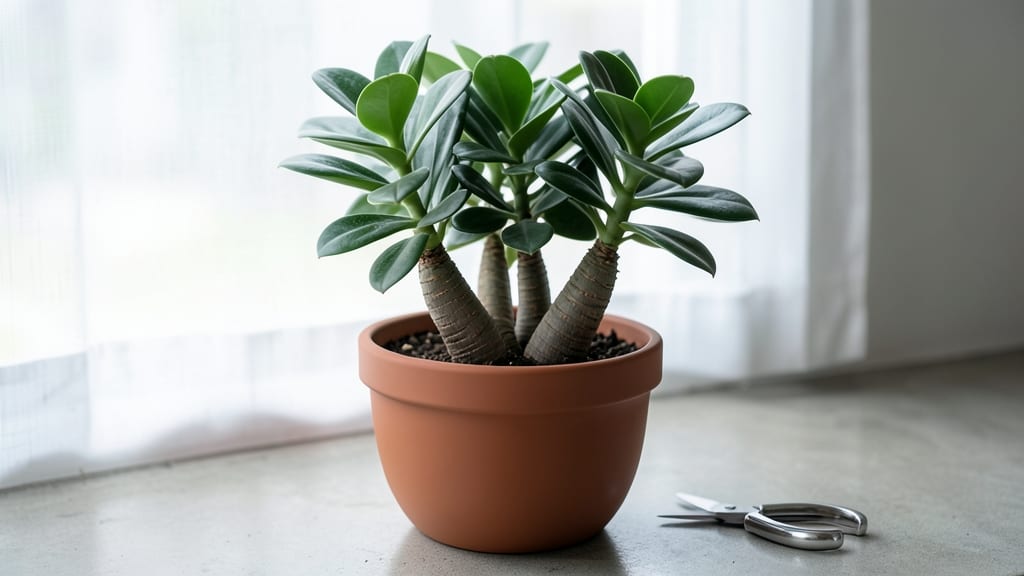
A ZZ plant grows to a mature height of 1 to 3 feet—tall enough to make a statement in your home but compact enough to fit almost anywhere.
If you’ve fallen in love with the ZZ plant’s glossy leaves and near-indestructible nature, you might be wondering just how tall it can grow—especially when crammed into your cozy apartment or office space.
The answer depends on whether it’s thriving indoors or stretching outdoors, but even in ideal conditions, it rarely tops 3 feet unless given extra room.
What’s surprising is how slowly this plant grows—often just a few inches per year. That means you won’t see dramatic changes overnight, but with the right care, it’ll steadily reach its full height without demanding much from you.
Whether you’re using it as a desk companion or a floor plant, its manageable size makes it perfect for beginners.
Below, I’ll break down the factors that influence its height—like light, pot size, and pruning—and share tips to keep it at your preferred height.
You’ll also learn how to spot signs of healthy growth (or stunted development) so you can enjoy your ZZ plant for years without it overtaking your space.


ZZ plant height limits: how tall can it grow indoors?
The ZZ plant (Zamioculcas zamiifolia) is famous for its resilience and striking glossy, dark green leaves.
But if you're eyeing your tiny apartment or office corner, you're probably asking: how tall does a ZZ plant grow? The answer depends on where you grow it—indoors or outdoors—and how you care for it. Let me break down the realistic height ranges and what influences them.
Indoors, most ZZ plants reach 2 to 3 feet tall at maturity, with some varieties staying shorter if you prune them regularly. Outdoors, they can grow taller—up to 6 feet or more in ideal conditions.
However, since most of us grow ZZ plants indoors, we’ll focus on the potted height limits and how to manage them for your space.
Here’s a quick comparison of what to expect based on growing conditions:
The pot size plays a huge role in how tall your ZZ plant grows. If you keep it in a small pot, the roots will become root-bound, which can stunt vertical growth.
However, if the pot is too large, the plant may focus on filling the space with roots instead of growing upward. Aim for a pot that’s 1–2 inches larger in diameter than the root ball to encourage balanced growth.
Light exposure is another critical factor. While ZZ plants thrive in low to bright indirect light, they grow faster and taller in brighter conditions. If your plant is in a dark corner, it may stay shorter but still healthy.
On the other hand, placing it near a south- or west-facing window can push it to grow taller—sometimes exceeding 3 feet indoors if unchecked.
Pruning is your best friend if you want to keep your ZZ plant at a manageable height. You can trim the longest stems just above a leaf node to encourage bushier growth.
This not only controls height but also helps propagate new plants from the cuttings. Just make sure to use sterile scissors to avoid introducing diseases.
Some gardeners swear by topping their ZZ plants to maintain a compact shape. This involves cutting the top off the plant and placing it in water or soil to root.
The remaining stem will eventually sprout new shoots, creating a fuller, shorter plant. It’s a great way to reset the height and keep your ZZ plant looking neat.
If you’re worried about your ZZ plant outgrowing its space, don’t fret—it’s a slow grower. On average, it adds only 1–2 inches per year indoors. With proper care, you can easily keep it within your desired height limits.
For example, if you want a 1-foot-tall ZZ plant, regular pruning and a smaller pot will help you achieve that goal.
Remember, the ZZ plant’s height isn’t just about aesthetics—it’s also about its health. A leggy plant may indicate it’s stretching for light, while a stunted plant might be root-bound or lacking nutrients. Pay attention to these signs and adjust your care routine accordingly.
Whether you’re growing a ZZ plant for its air-purifying qualities or just love its sleek look, understanding its height potential will help you create the perfect indoor jungle. With the right pot, light, and a little pruning, you can enjoy a ZZ plant that fits your space beautifully.
Growth stages of a ZZ plant: what to expect year by year
Understanding your ZZ plant's growth stages helps you set realistic expectations for its height and health. These plants grow at a slow but steady pace, with distinct phases that reflect their natural life cycle.
Whether you're a new plant parent or a seasoned collector, knowing what to expect each year keeps your Zamioculcas zamiifolia thriving in its juvenile, mature, and slow-growth phases.
The first year is all about establishing roots and early foliage development. Your ZZ plant will focus energy underground, storing nutrients in its rhizomes while producing just a few leaves.
This phase can feel frustratingly slow, but it’s essential for long-term health. Patience pays off as your plant prepares for faster growth in subsequent years.
- 1 Year 1: 1–2 ft tall with sparse foliage; focuses on root development.
- 2 Year 2: 2–3 ft tall; rapid leaf production and bushier appearance.
- 3 Year 3+: Mature height of 2–3 ft; slows growth but maintains dense foliage.
- 4 Signs of Healthy Growth: Glossy leaves, firm stems, and minimal leaf drop.
- 5 Stunted Growth Warning: Yellow leaves, leggy stems, or slow recovery after pruning.
By Year 2, your ZZ plant enters its most active growth phase, reaching its mature height range of 2–3 feet. This is when you’ll notice a bushier appearance and more frequent leaf production.
The plant’s rhizomes continue storing water and nutrients, allowing it to thrive even in low-light conditions. During this stage, it’s crucial to monitor pot size—root-bound plants may show stunted growth.
After Year 3, your ZZ plant enters a slow-growth phase, where height increases become minimal. Instead, it focuses on maintaining its dense foliage and glossy leaves. This phase is completely normal and doesn’t indicate poor health.
In fact, many gardeners prefer this stage because it’s easier to manage in small spaces. Seasonal growth patterns also play a role—expect slightly faster growth in spring and summer when light levels increase.
To ensure your ZZ plant stays healthy at every stage, watch for signs of stunted development, such as yellowing leaves or sparse new growth. These often indicate overwatering, poor light, or root-bound conditions.
On the other hand, a thriving ZZ plant will have deep green, waxy leaves and a sturdy stem. Adjust your care routine based on these visual cues to keep your plant growing strong year after year.
With the right conditions—bright, indirect light, well-draining soil, and occasional fertilization—your ZZ plant will reward you with decades of low-maintenance beauty. Whether it’s 1 foot tall in Year 1 or 3 feet mature, each growth stage brings its own charm to your indoor garden. 🌱