
Watering
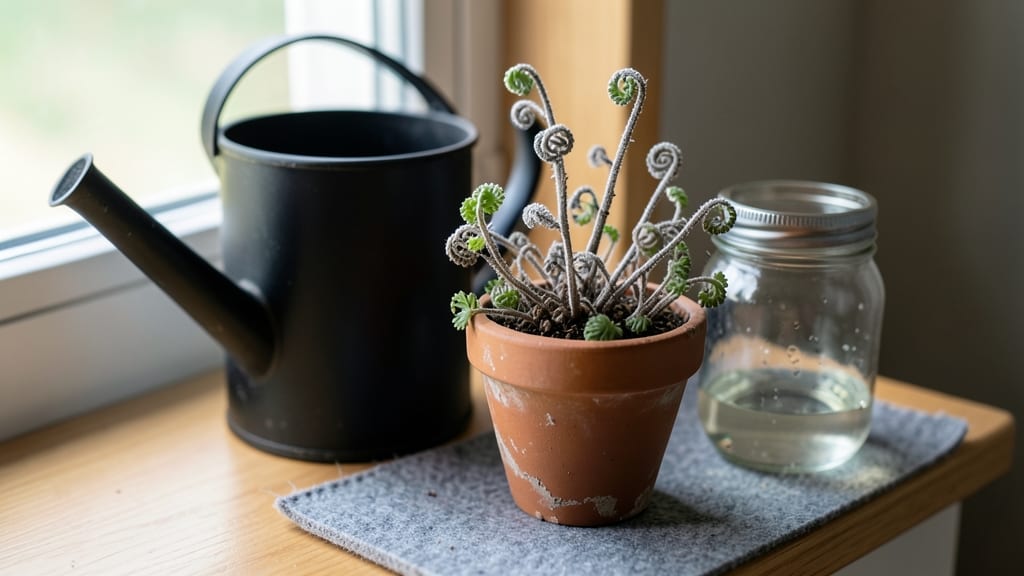
Watering a resurrection plant 🌵 requires a delicate balance—too much drowns its roots, but the right amount brings it back to life in just 3 days after drought.
If you’ve ever watched a resurrection plant curl into a dry, brittle ball only to unfurl like magic after a sip of water, you know it’s no ordinary houseplant. The secret lies in its drought tolerance, but even this hardy survivor needs a precise watering rhythm to thrive.
Most growers overdo it, thinking more water equals faster revival—when in fact, overwatering kills more resurrection plants than underwatering. Below, I’ll break down the exact watering schedule, signs of stress, and how to adjust for indoor vs. outdoor care.
You’ll learn how to revive a dried-out resurrection plant, spot the difference between thirst and rot, and keep it happy year-round with minimal effort.
How much water does a resurrection plant need to revive?
The resurrection plant (Selaginella lepidophylla) is a true marvel of nature, capable of surviving extreme drought and reviving within 72 hours when watered. But reviving it successfully requires precision—too little water leaves it dormant, while overwatering triggers root rot and kills the plant.
The key lies in understanding its 3-day hydration cycle and balancing drought periods with careful revival.
For revival, aim to provide just enough moisture to rehydrate the plant without saturating the soil. A light misting or bottom-watering method works best, ensuring water reaches the roots without pooling.
This plant thrives on minimal intervention, so think of watering as a delicate art rather than a routine chore.
Here’s the exact step-by-step protocol to revive your resurrection plant safely and effectively:
-
1
Day 1: Initial Hydration
Mist the plant lightly with room-temperature water until the soil feels damp but not soggy. Avoid direct spraying on leaves to prevent fungal growth. -
2
Day 2: Monitor Revival
Check the soil daily. If it feels dry, give another light misting. The plant should start unfolding within 24-48 hours, but avoid overwatering—this is where most beginners fail. -
3
Day 3: Full Revival
By now, the plant should appear plump and green. Reduce watering to once every 2-4 weeks for long-term care. Let the soil dry out completely between waterings to mimic its natural desert habitat. -
4
Long-Term Care
After revival, maintain a drought-like cycle. Water only when the soil is bone-dry, typically monthly in summer and bi-weekly in spring/fall. Overwatering is the #1 killer of resurrection plants—trust the process!
One of the biggest mistakes I see is treating the resurrection plant like a typical houseplant. Unlike ferns or ferns, it doesn’t need frequent watering. In fact, most indoor plants require more water than this desert survivor. The secret is patience—let the plant teach you its rhythm.
For container-grown resurrection plants, use a terracotta pot with drainage holes to prevent root rot. If you notice the soil staying wet for more than 48 hours, reduce watering immediately. The plant’s revival process is a visual cue—when it unfurls, you’ve nailed the hydration balance.
Seasonal adjustments are crucial. In summer heat, water even less frequently, while spring and fall allow for slightly more moisture as temperatures moderate. Always water in the evening to reduce evaporation and fungal risks.
If your resurrection plant starts to wrinkle or turn brown, it’s a sign of underwatering—not overwatering. These plants are designed to survive drought, so a little wrinkling is normal. However, if the soil remains soggy for days, you’re likely dealing with root rot, which is irreversible.
Pro tip: Use a spray bottle with a fine mist for revival watering. This gives you precise control over moisture levels, ensuring the plant revives without stress. Once revived, switch to bottom-watering for long-term care—place the pot in a tray of water for 10-15 minutes, then drain excess.
Remember, the resurrection plant’s magic lies in its adaptability. With the right watering balance, it can thrive for years, offering a living reminder of nature’s resilience. 🌵
Resurrection plant watering mistakes that kill your plant (and how to fix them)
The resurrection plant (Selaginella lepidophylla) thrives on neglect—but that doesn’t mean you can ignore its watering needs entirely. Even this drought-resistant marvel can suffer from overwatering or inconsistent drying periods.
Many gardeners accidentally drown their plants by mimicking typical houseplant care. Let’s fix these common mistakes before they turn your revival plant into a sad, mushy mess.
First, the biggest killer is overwatering during revival. When your plant unfurls from its dried-up state, it’s not a signal to water daily. In fact, overhydration at this stage can cause root rot faster than you can say "miracle plant."
The key is patience—just enough moisture to rehydrate, not soak. Think of it like giving a sponge a sip, not a bath.
Most resurrection plants die from overwatering after revival, not drought. Here’s the fix:
- Revive phase: Use 25-50ml water every 3-4 days only until fully plump (3-5 days max).
- Dormant phase: Zero water for 2-3 months after revival.
- Soil test: Stick your finger 1 inch deep—if dry, it’s safe to water.
Pro tip: Use a spray bottle for revival—never submerge the pot.
Another silent assassin is inconsistent drying periods. Resurrection plants need complete dehydration cycles to trigger their survival mechanisms. Skipping this step means your plant stays in a weak, semi-dormant state.
Let it dry out thoroughly between waterings, even in humid climates. A quick test: If the soil feels damp when you touch it, wait another week.
Don’t overlook soil type mistakes either. Heavy garden soil or potting mixes retain too much moisture, suffocating roots. Your resurrection plant needs a fast-draining mix—think 60% cactus soil, 30% perlite, and 10% coarse sand.
This combo mimics its natural arid habitat and prevents the "wet feet" syndrome that kills these plants.
Seasonal watering shifts are often overlooked too. In summer heat, your plant might need monthly watering at most, while spring revival demands closer monitoring. Use a moisture meter for accuracy—no guessing! And always water in the evening to reduce evaporation and fungal risks.
Remember, the resurrection plant’s magic comes from its adaptation to extreme dryness. By avoiding these watering pitfalls, you’ll keep your plant healthy, happy, and ready to unfurl its green wonder at a moment’s notice. Now go forth and water wisely—your plant’s revival depends on it! 🌵