
Plants
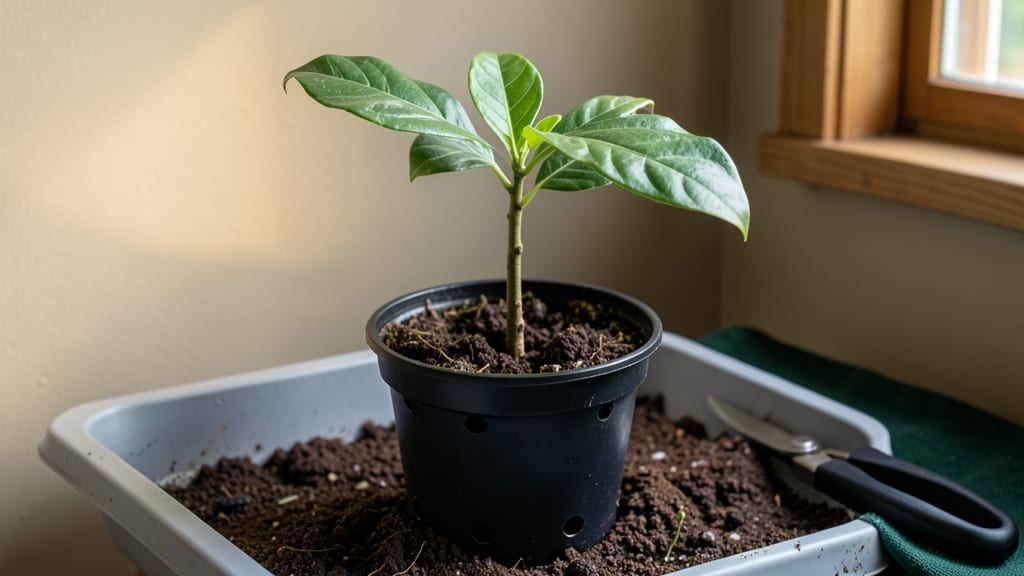
Planting an avocado seed in soil at the right time determines whether your 🥑 tree thrives or fizzles out—aim for after your last frost when soil temperatures hit 60°F+.
Picture this: you’ve got a sprouting avocado seed, eager to grow, but the ground is still chilly or frost looms. That’s a recipe for disappointment. Timing isn’t just about the calendar—it’s about soil warmth, local climate, and whether you’re planting indoors or outdoors.
In Zone 6a and colder regions, late spring (after May 15) is your best bet, while warmer zones can start as early as March. Indoor starters can cheat the season with heat mats, but outdoor plantings need patience—rushing leads to weak roots and stunted growth.
Below, I’ll break down the exact planting windows by climate, soil prep tips to speed up germination, and how to spot the three biggest mistakes that kill seedlings before they even take off.
Optimal planting times for avocado seeds by USDA climate Zones
Avocado seeds thrive when planted at the right time, but your USDA climate zone determines the perfect window. In Zones 8-11, warm temperatures and frost-free conditions create ideal germination conditions—but timing varies by region.
For example, Southern California (Zone 10) has a longer planting season than Central Florida (Zone 9b), where humidity and summer rains require adjustments. Let’s break down the best months for each zone to ensure your seedling gets off to a strong start.
Avocado seeds need consistent soil temperatures above 60°F to germinate successfully. In Zone 8, where frost is still a risk, aim for late spring to early summer (May-June) after the last frost date.
In Zones 9-11, you can plant as early as March or April, but avoid peak summer heat in humid climates like Florida, where fungal risks rise. Always monitor local frost-free dates and soil warmth trends to avoid cold shock.
Here’s a quick reference for optimal planting windows by zone, including soil temperature thresholds and regional notes:
| USDA Zone | Best Planting Months | Soil Temp Threshold | Regional Notes |
|---|---|---|---|
| Zone 8 (e.g., Southern Georgia, Central Texas) | May–June | 60°F+ (consistent) | Avoid early spring; frost risk persists until late April. |
| Zone 9 (e.g., Coastal California, Central Florida) | March–April (or Sept–Oct) | 65°F+ | California: Plant in spring. Florida: Fall planting reduces humidity risks. |
| Zone 10 (e.g., Southern Arizona, Coastal Texas) | February–March (or Sept) | 70°F+ | Avoid summer heat; use shade cloth if planting in peak sun. |
| Zone 11 (e.g., Hawaii, Southern Florida) | Year-round (best: Jan–Feb or Sept–Oct) | 75°F+ | Monitor humidity; use well-draining soil to prevent rot. |
In Zone 8, where frost is still a concern, I recommend waiting until after your average last frost date (typically late April to early May) and ensuring soil temperatures stay above 60°F for at least 2 weeks.
Use a soil thermometer to confirm—avocado seeds won’t germinate in cold soil. If you’re in Central Texas or Georgia, this might push planting to June, but don’t delay beyond early summer to avoid extreme heat stress.
For Zones 9-11, the window expands, but regional microclimates matter. In dry climates like Southern California, you can plant as early as February, but in humid Florida, I avoid peak summer (June–August) due to fungal diseases.
Instead, opt for spring or fall planting. In Zone 11, like Hawaii, you can plant almost year-round, but January–February offers cooler temperatures and lower humidity for germination.
Pro tip: If you’re unsure about your local frost dates, check the National Weather Service or your local cooperative extension service for historical data. For example, Miami (Zone 10b) has a frost-free season year-round, while Phoenix (Zone 9b) can still see rare cold snaps in winter.
Always err on the side of caution—avocado seedlings are sensitive to cold, and even a light frost can kill them.
Once you’ve picked your planting window, prepare your soil by mixing in perlite or sand for drainage—avocado seeds rot if soggy. Plant the seed 1 inch deep, with the taproot pointing downward, and keep the soil moist but not waterlogged.
Place your container in a warm, sunny spot (or under grow lights) until germination, which can take 2–8 weeks depending on temperature.
Remember, indoor starts can give you a head start in cooler zones. If you’re in Zone 8 and want to plant in April, start your seed indoors in February using a heat mat to maintain 70–80°F soil temps.
This mimics tropical conditions and speeds up germination. Just be ready to harden off seedlings before transplanting outdoors after the last frost.
Timing isn’t just about the calendar—it’s about soil warmth, humidity, and sunlight. By aligning your planting with your zone’s natural rhythms, you’ll give your avocado seed the best chance to grow into a healthy tree.
Whether you’re in sunny California or humid Florida, these guidelines will help you avoid common pit
How to time your avocado seed planting for maximum germination success
Timing your avocado seed planting is the secret to strong germination. Avocado seeds thrive in warm soil (at least 60°F), so planting too early in cold climates can stall growth or kill the seed.
Whether you're starting indoors or outdoors, understanding your local last frost date and soil temperature trends is key to success.
In USDA Zones 8-11, you can plant avocado seeds outdoors year-round, but germination speeds up dramatically when soil stays consistently above 70°F. For colder zones (Zones 6-7), indoor starts with a heat mat are essential to jumpstart growth before transplanting outdoors in late spring.
Step-by-Step Planting Timeline for Avocado Seeds
- Step 1: Monitor soil temperature using a soil thermometer. Plant outdoors only when soil reaches 60°F+ consistently for 5+ days.
- Step 2: For indoor starts (Zones 6-7), place seeds in a well-draining container with 1 inch of water covering the seed. Use a heat mat (70-75°F) to speed germination.
- Step 3: Once sprouts emerge (typically 2-8 weeks), move to bright, indirect light (south-facing window) and reduce water to keep soil moist (not soggy).
- Step 4: After last frost date, harden off seedlings by placing them outdoors for 2-4 hours daily, gradually increasing exposure over 1-2 weeks.
- Step 5: Transplant outdoors in late spring (after May 15 in Zone 6) when soil is warm and frost-free. Bury the seedling 1/3 deeper than its container to stabilize roots.
If you're in a tropical climate (Zones 10-11), you can plant seeds directly in warm soil year-round, but aim for spring or early summer to align with natural rainfall patterns. Avoid planting during monsoon season if your area experiences heavy rains, as waterlogged soil can suffocate roots.
For cold-climate gardeners, starting seeds indoors in February-March gives seedlings a 4-6 week head start before transplanting. Use a grow light if natural light is limited, and maintain 70-75°F soil temperature with a heat mat until roots establish.
Pro tip: Place your avocado seedling near a south-facing window or under grow lights for 12-14 hours of light daily. Without enough light, seedlings become leggy and weak, making them prone to breakage. Rotate the container weekly for even growth.
Remember, patience is key—avocado seeds can take 2-8 weeks to germinate, depending on temperature and moisture. Once sprouted, keep the soil consistently moist (not waterlogged) and protect young seedlings from direct wind or temperature swings.