
Plants
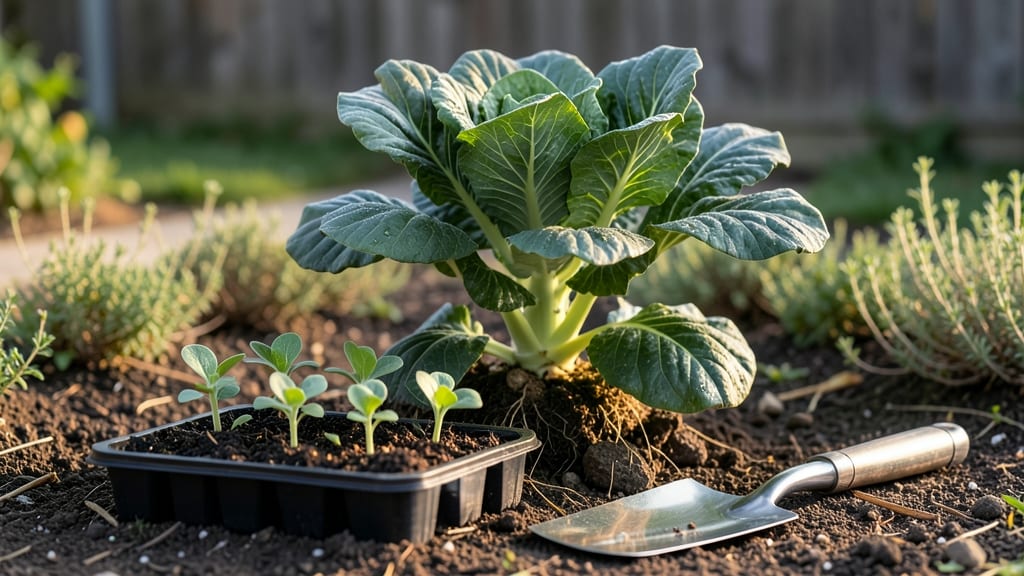
Planting collards in South Carolina means timing them for frost-free windows—spring or fall—that avoid bitter heat and early freezes, ensuring tender, flavorful greens.
If you’re dreaming of a bountiful collard harvest, timing is everything: plant too early, and frost will ruin your greens; too late, and summer heat turns them bitter. Mastering the frost-free window and heat tolerance secrets is your ticket to perfect collards year after year.
South Carolina’s USDA Zones 7b-8a give you two ideal planting windows: early spring (March-April) and fall (August-September). The key is avoiding 32°F temperatures—collards wilt at 85°F—so adjust your schedule based on your last frost date.
In this guide, I’ll walk you through the exact frost dates for your region, soil prep tips, and heat tolerance hacks to keep your 🌱 collards thriving—whether you’re a first-time gardener or a seasoned pro.
South Carolina collard planting timeline: frost dates & optimal windows
Collards thrive in South Carolina’s mild winters and warm springs, but getting the planting timing right is key to avoiding frost damage or heat stress. In USDA Zones 7b-8a, your frost-free window typically spans from mid-March to mid-November, but collards prefer cooler temperatures—ideal between 50°F and 75°F.
Plant too early, and frost will kill tender seedlings; too late, and summer heat turns leaves bitter or causes bolting.
For most SC gardeners, the best planting windows are early spring (March-April) and fall (August-September). Early varieties like Vates handle cooler temps better, while late varieties such as Top Bunch tolerate brief summer heat. Understanding your last and first frost dates—usually mid-November to late February—helps you time transplants perfectly.
Here’s your South Carolina collard planting timeline broken down by season, including frost dates and heat tolerance thresholds:
| Planting Window | USDA Zones 7b-8a | Frost Risk | Heat Tolerance | Action Items |
|---|---|---|---|---|
| Early Spring | March 15-April 15 | Low (after last frost) | Moderate (50°F-75°F) | Start seeds indoors 6-8 weeks before transplanting. |
| Late Spring | April 15-May 15 | None | High (risk of bolting) | Use shade cloth (30-50%) for heat protection. |
| Fall | August 1-September 30 | Low (before first frost) | Moderate (60°F-75°F) | Direct sow or transplant 6-8 weeks before frost. |
| Late Fall | October 1-November 15 | High (frost risk) | Low (below 50°F) | Choose cold-hardy varieties like Georgia Southern. |
Spring planting in South Carolina starts as soon as the soil reaches 60°F, usually by mid-March in Zone 8a and early April in Zone 7b. For a head start, begin seeds indoors 6-8 weeks before your last frost date.
Transplant seedlings outdoors after the average last frost date, which ranges from March 15 in Charleston to April 1 in Greenville. Use row covers for extra protection if nighttime temps dip below 40°F.
Fall is your second chance for collards, with planting windows extending until September 30 in most of SC. Aim to harvest before the first frost, which typically hits November 15-30.
For a winter harvest, choose late-maturing varieties like Champion or Blue Max, which tolerate light frosts better than others. Mulch heavily to insulate roots and extend the season.
Heat is collards’ biggest enemy in South Carolina’s summers. While they can handle brief exposure to 85°F, prolonged heat above 90°F causes leaves to turn bitter and bolt prematurely.
To beat the heat, plant shade-tolerant varieties like Vates and use drip irrigation to keep soil consistently moist. Avoid overhead watering, which can stress plants in the heat.
Pro tip: Monitor your local microclimate. Coastal areas like Hilton Head stay warmer longer, while Piedmont regions (e.g., Columbia) cool down faster. Adjust your planting dates by 1-2 weeks based on your specific location’s frost history. Check the SC Extension Service for updated frost date maps each year.
For container gardening, start collards in pots by mid-April and move them to shaded patios or balconies during summer. Use 5-gallon containers with well-draining soil and water deeply twice daily during heatwaves. This method lets you grow collards even in urban areas with limited space.
Remember, collards are biennials, meaning they produce best in their first year. Plan your fall harvest to coincide with cooler temps, and save seeds from your healthiest plants for next year’s garden.
With the right timing, you’ll enjoy homegrown collards from April through December—just in time for your favorite Southern dishes!
Heat tolerance hacks: how to grow collards in South Carolina’s summer
South Carolina’s summer heat can turn your collard dreams into a bitter disappointment—but don’t give up! With the right strategies, you can keep your greens thriving even when temperatures climb above 90°F.
The key lies in selecting heat-resistant varieties, providing shade, and mastering irrigation techniques tailored to our humid climate.
My favorite heat-tolerant varieties for SC summers include Vates and Top Bunch, both of which handle humidity better than traditional types. These varieties maintain their sweet flavor and tender leaves even when other collards bolt or turn tough.
Pair them with smart growing techniques, and you’ll enjoy fresh greens straight from your garden well into late summer.
5 Heat Tolerance Hacks for SC Collards
- 1. Use shade cloth (30-50%) to block intense afternoon sun while allowing morning light. This keeps leaf temps 10°F cooler during peak heat.
- 2. Mulch heavily with 2-3 inches of straw to retain soil moisture and regulate temperature. Dark mulch also absorbs heat to protect roots.
- 3. Water deeply morning & evening—aim for 1-2 inches per week—using drip irrigation to avoid wetting leaves and reducing fungal risks.
- 4. Plant near tall crops like sunflowers or corn to create natural shade. This mimics the dappled light collards prefer in their native habitats.
- 5. Harvest young leaves during heat waves to prevent bolting. Regular harvesting encourages continuous growth and keeps plants productive.
One of my biggest mistakes was assuming collards could handle SC’s summer like they do in spring—but that’s where companion planting saves the day. Try pairing your collards with bush beans or radishes, which improve soil structure and provide light shade.
The beans also fix nitrogen, giving your collards an extra nutrient boost during their heat struggle.
For irrigation, I’ve found that drip systems with emitters work best because they deliver water directly to the roots without wetting the leaves—critical in our humid climate. Avoid overhead sprinklers after 10 AM to prevent fungal diseases like downy mildew, which thrives in the heat and moisture.
Remember, even heat-tolerant collards will eventually slow down when temperatures exceed 95°F for more than a week. That’s your cue to either harvest aggressively or provide extra shade.
With these hacks, I’ve extended my collard harvest by 4-6 weeks into summer—proof that SC summers don’t have to mean the end of your green dreams!