
Plants
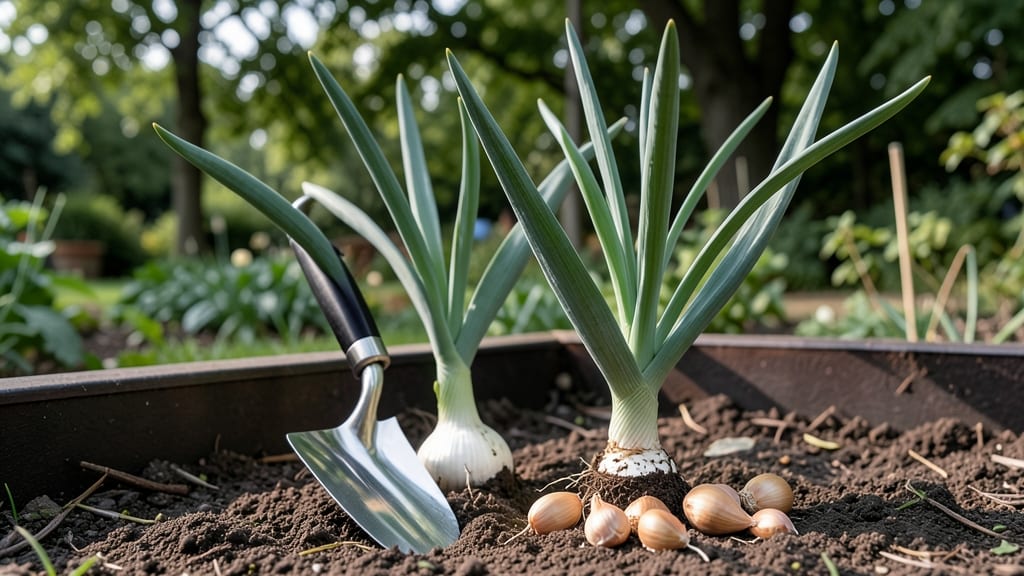
Planting garlic in Minnesota between late September and mid-October is the key to growing the largest, hardiest bulbs 🧄 — and missing that window can leave you with small, weak cloves or worse.
Minnesota gardeners know timing is everything—and planting garlic at the wrong time can mean the difference between a bumper crop and a total flop. But with hardneck and softneck varieties each demanding their own schedule, when exactly should you get those cloves in the ground for maximum yield?
Hardneck garlic, the variety best suited for Minnesota’s Zone 3-5 winters, thrives when planted in fall, while softneck types can sometimes be planted in early spring. The trick lies in soil temperature, frost dates, and how deep those cloves go.
In this guide, I’ll break down the best planting windows, soil prep secrets, and overwintering tips to ensure your garlic survives Minnesota’s harsh winters and delivers a harvest in mid-July—plus how to tell when it’s truly ready to pull.
Minnesota garlic planting calendar: hardneck vs softneck timing breakdown
Minnesota's short growing season and freezing winters make fall planting the gold standard for garlic. But hardneck and softneck varieties have different timing needs—especially in USDA Zones 3-5.
Hardnecks thrive in our cold, while softnecks prefer milder winters. Let's break down the month-by-month schedule that'll give you the biggest, healthiest bulbs.
For hardneck garlic, the 4-6 week window before your first hard frost is critical. In most of Minnesota, that means late September to mid-October.
Softnecks, however, can handle a slightly later planting—up to early November in southern MN—but they won't overwinter as reliably in northern climates. Soil temperature should be 40-50°F at planting time for best root establishment.
Here's the key difference: hardnecks need cold to form bulbs, while softnecks can tolerate warmer winters. In Zone 3 (northern MN), aim for early September planting to ensure roots establish before ground freezes. In Zone 5 (southern MN), you've got more flexibility until mid-October.
Northern Minnesota gardeners (Zones 3-4) should prioritize hardneck varieties like 'German White' or 'Music'. Their cold requirement aligns perfectly with our winters, producing larger bulbs and hardneck scapes—those prized garlic shoots.
Plant these 4-6 weeks before ground freezes, typically by October 1st in the Twin Cities area.
Southern Minnesota (Zone 5) can experiment with both types. For softnecks like 'Silverskin', push planting to mid-October for better overwintering success. These varieties store longer but may produce smaller bulbs in our climate. Soil drainage becomes critical here—waterlogged soil will rot cloves before they establish.
Pro tip: If you're in a micro-climate (like near a lake or in a urban heat island), adjust your timeline by 1-2 weeks. Warmer pockets can delay frost, giving you extra planting time.
Always check your last frost date—Minnesota's varies from October 10th in Duluth to October 25th in Rochester.
One common mistake is planting too late. If you miss the window, don't despair—you can still plant in early spring
5 Critical factors that determine your garlic planting success in Minnesota
Planting garlic in Minnesota isn't just about timing—it's about creating the perfect conditions for those cloves to thrive through our brutal winters. I've learned the hard way that skipping even one of these critical factors can lead to rot, stunted growth, or poor bulb formation.
Let's break down what truly matters beyond just the calendar dates.
The first mistake I see Minnesota gardeners make is ignoring soil preparation. Our cold, heavy clay soils need aeration and organic matter to prevent waterlogging, which is a death sentence for garlic. Amending with compost or aged manure before planting ensures proper drainage and nutrient availability.
I always test my soil pH too—garlic prefers a 6.0 to 7.0 range, and Minnesota's naturally acidic soils often need lime adjustments.
Here's what you absolutely can't overlook when planting garlic in Minnesota:
- 🌡️ Soil Temperature: Plant when soil reaches 40-50°F (late Sept-Oct) to prevent rot before winter
- 🧄 Clove Selection: Choose large, plump cloves (1-2 inches) from hardneck varieties like 'German White' or 'Music'
- 📏 Planting Depth: Bury cloves 2 inches deep (pointy end up) with 4-6 inches between plants
- 🍂 Mulching Strategy: Apply 4-6 inches of straw after planting to insulate roots and prevent heaving
- ❄️ Overwintering: Ensure consistent snow cover (minimum 6 inches) to protect from extreme cold
I can't stress enough how clove size matters. Small cloves (under 1 inch) often produce weak plants that struggle through Minnesota winters. I always sort my cloves, discarding any that are shriveled or have sprouted—these are energy drains on your crop.
The largest cloves I plant consistently give me 30-50% larger bulbs at harvest time, which is worth the extra effort.
Getting the planting depth right is another common pitfall. Too shallow and cloves rot during thaw cycles; too deep and they struggle to emerge in spring. I use a simple trick: press cloves into soil until just the tip is visible—this ensures proper depth while allowing easy emergence.
For raised beds, I add an extra inch of depth since they warm up faster in spring.
Our mulching strategy makes or breaks overwintering success. I've tried everything from leaves to straw, but straw wins every time—it insulates better and resists compaction from snow. In years with little snowfall (like 2022), I double my straw layer to protect against temperature swings.
Remember to pull mulch back slightly in early spring to prevent rot as soils warm.
Finally, don't assume your garlic will survive just because it's Minnesota-hardy. Overwintering protection requires planning. I always mark my garlic beds with stakes so I remember where they are under snow.
In exposed areas, I add an extra layer of cardboard or burlap before the first heavy snowfall to create an insulating blanket. This simple step has saved my crop multiple times during our -20°F winters.