
Plants
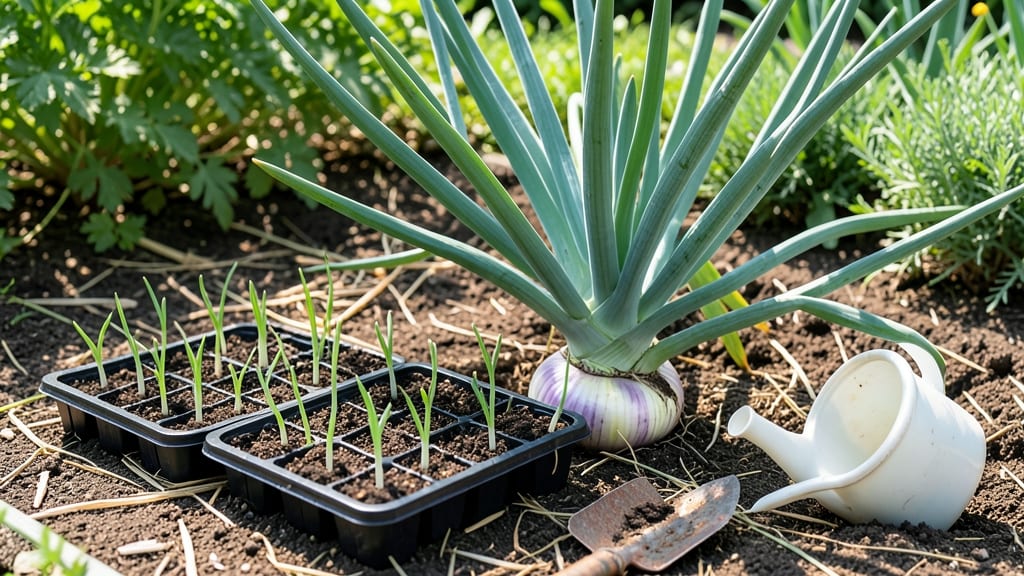
Planting onions in Oklahoma requires precise timing to avoid frost damage or bolting, with the ideal windows falling in early spring or fall for plump, flavorful bulbs 🧅.
Oklahoma’s unpredictable climate—from scorching summers to early frosts—can make onion planting tricky. But timing your seeds or sets perfectly ensures plump, flavorful bulbs instead of bitter, bolted greens.
Whether you’re in the cooler 6a zones of northern Oklahoma or the warmer 8a regions in the south, the right planting window makes all the difference. Below, I’ll break down the exact frost-free timeline, whether to use seeds or sets, and how to adjust for microclimates.
You’ll also discover the best onion varieties for Oklahoma’s short growing season and how to avoid common mistakes that lead to wasted crops. Let’s get started!
Best planting windows for onions in Oklahoma by region
Oklahoma’s three distinct climate zones—Northern, Central, and Southern—create unique planting windows for onions. Whether you're growing from seeds, sets, or transplants, timing matters to avoid frost damage or bolting.
In USDA Zones 6a-8a, onions thrive when planted 4-6 weeks before last frost or in early fall for a second harvest.
Northern Oklahoma (Zones 6a-7a) has the shortest growing season, while Southern Oklahoma (Zones 7b-8a) allows for extended fall planting. Microclimates—like high plains elevations or southeastern humidity—can shift ideal dates by 2-3 weeks. Always check your local frost dates and adjust accordingly.
🌱
| Region | Spring Planting Window | Fall Planting Window | Key Notes |
|---|---|---|---|
| Northern OK (Zones 6a-7a) | March 15 - April 15 (4-6 weeks before last frost) |
September 1 - September 30 | Early frosts risk; use cold-hardy varieties like Texas Early White. Mulch for protection. |
| Central OK (Zones 7a-7b) | March 1 - April 30 | August 15 - September 15 | Longer season; ideal for transplants. Avoid planting after May 15 to prevent bolting. |
| Southern OK (Zones 7b-8a) | February 15 - April 15 | August 1 - October 1 | Warm winters allow fall crops. Use short-day varieties like Granex for extended harvests. |
For Northern Oklahoma, focus on spring planting between March 15 and April 15, using cold-tolerant onion sets like Texas Early White or Red Baron. These varieties handle early frosts better and mature quickly before summer heat arrives.
In Central Oklahoma, you can push spring planting slightly later—up to April 30—thanks to a longer frost-free period.
Fall planting is critical for Southern Oklahoma, where August 1 to October 1 offers the best window. Here, short-day onions like Yellow Granex or Texas Super Sweet thrive, producing sweet, mild bulbs even in warmer temperatures.
If you’re in Zone 8a, you might even squeeze in a late fall harvest before the first frost.
Microclimates play a huge role in Oklahoma. If you’re in a high-elevation area (e.g., near Altus or Woodward), plant 2 weeks later than the regional average to avoid late spring frosts.
Conversely, southeastern Oklahoma (e.g., McAlester or Tahlequah) can support earlier spring or later fall plantings due to milder winters.
🌿
Onions need 60-80 days to mature from sets and 100-120 days from seeds. To maximize your harvest, stagger plantings every 2 weeks in spring and 3 weeks in fall.
This ensures a continuous supply of fresh onions. For green onions, you can plant them anytime—they’re cold-hardy and regrow after cutting.
Soil temperature is key: onions grow best when soil is 45-65°F. Use a soil thermometer to check before planting. If your soil is too cold (<40°F), wait a few days or use black plastic mulch to warm it faster. In hot summers, provide light shade to prevent bolting.
💧
Pro tip: Plant onion sets (small dried bulbs) 4-6 weeks before last frost for the earliest harvest. Sets are cheaper and faster than seeds, and they’re less likely to bolt.
If you’re growing from seeds, start them indoors 8-10 weeks before transplanting outdoors. For fall crops, use transplants instead of seeds to avoid late-season bolting.
How to avoid common onion planting mistakes in Oklahoma’s climate
Oklahoma’s unpredictable frost dates and intense summer heat can turn your onion harvest into a gamble. Planting too early risks frost damage, while waiting too late triggers bolting—when onions flower prematurely.
I’ve learned the hard way that timing is everything for sweet, plump bulbs instead of bitter, seed-filled stalks.
Even experienced gardeners make mistakes like skipping soil prep or overwatering, which stunts growth. The key is understanding Oklahoma’s microclimates—Northern regions (like USDA Zone 6a) freeze earlier than Southern areas (like Zone 8a). Let’s fix these pitfalls so you get harvest-ready onions every season.
⚠️ Critical Planting Timing Mistakes in Oklahoma
Mistake 1: Planting seeds or sets before soil temps hit 40°F (risk: rot and poor germination).
Mistake 2: Waiting until after April 15 for spring planting (risk: bolting from heat stress).
Mistake 3: Fall planting after September 30 (risk: overwintering failures in cold zones).
Fix: Use sets (dried bulbs) 4–6 weeks before last frost (typically March 1–15 in most of OK). For seeds, start indoors 8–10 weeks early.
Start with well-draining soil—Oklahoma’s clay-heavy areas need amended beds with compost or sand. Onions hate soggy roots, so raise beds if your yard holds water. I mix in aged manure or compost to boost nutrients, aiming for a pH of 6.0–7.0.
Test your soil first—low pH (too acidic) stunts bulb growth.
Mulching is non-negotiable in Oklahoma’s swinging temps. Use straw or shredded leaves (2–3 inches thick) to insulate roots from late spring frosts and summer heat waves.
This trick keeps soil temps stable, preventing bolting and uneven growth. Just avoid mulching too early—wait until soil warms to 50°F.
Watering is another common downfall. Onions need consistent moisture, but drought stress causes small bulbs. I water deeply once a week (more in 90°F+ heat) and always in the morning to prevent fungal diseases. Let the top inch of soil dry between waterings—soggy soil = rot.
Finally, thin seedlings to 4–6 inches apart once they’re 2–3 inches tall. Crowded onions compete for nutrients, leading to small, tough bulbs. Use scissors to snip extras at soil level—this reduces transplant shock. Harvest when tops yellow and fall over, usually 100–120 days after planting.
With these adjustments, you’ll bypass the bitter, bolted disasters and enjoy sweet, storage-friendly onions all season. Happy growing! 🌱