
Plants
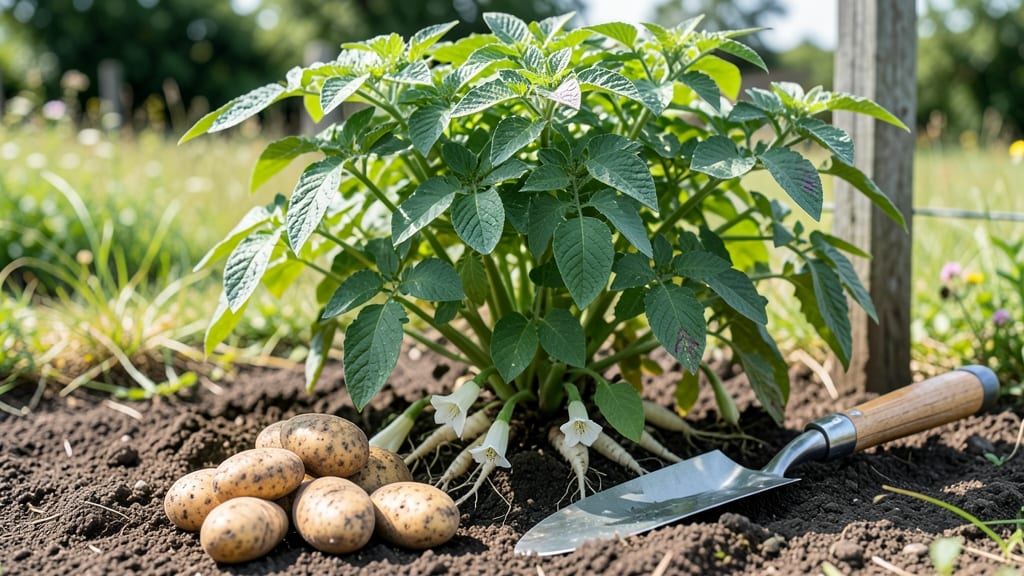
Planting potatoes in California at the right time means the difference between a bountiful harvest and a wasted season—coastal fog or inland heat can turn your crop to dust if you miss the window.
California’s microclimates—from frost-free coastal zones to desert heat—make timing everything. Too early, and your 🥔 spuds rot in damp soil; too late, and summer’s intensity shrinks them to pebbles. The solution? A region-specific strategy that accounts for soil warmth, frost risk (yes, even in Zone 9), and variety maturity.
Here’s how to pinpoint the exact month for your area, whether you’re growing early varieties for spring harvests or late-season types to stretch yields into summer. We’ll cover soil prep, frost workarounds, and the one trick that adds 30 days to your growing season—no matter where you garden.
By the end, you’ll know not just when to plant, but how to double your harvest with minimal effort. Let’s get started.
California potato planting calendar by microclimate Zone
California’s potato planting schedule isn’t one-size-fits-all—your microclimate zone dictates everything from planting windows to soil temperature needs. Coastal areas like San Francisco enjoy mild winters, while Central Valley growers race against spring heat.
Even desert regions like Palm Springs can grow potatoes with the right timing. The golden rule? Plant when soil temperatures hit 50–60°F and frost risk fades.
To simplify, I’ve broken down planting by California’s four key zones—Coastal, Central Valley, Desert, and High-Elevation—with exact monthly windows and variety recommendations. Whether you’re a home gardener or small farmer, these timelines ensure your potatoes thrive without frost damage or heat stress.
Pro Tip: Use a soil thermometer to confirm readiness—cold soil delays germination, while warm soil (above 70°F) stunts tuber growth. Coastal zones can plant as early as October, while inland areas wait until February to avoid late frosts.
For coastal California, where foggy mornings and mild nights extend the growing season, start planting seed potatoes in October for a spring harvest. Varieties like Yukon Gold thrive here, maturing in 90–100 days.
If you’re in San Diego or Monterey, you can even plant a second crop in late summer for a fall harvest.
In the Central Valley, where spring heat arrives early, aim for February–March planting. Russet potatoes, a favorite for baking, need cool soil to form tubers. Use black plastic mulch to warm the soil faster in Fresno or Bakersfield.
If you miss the window, switch to heat-tolerant varieties like Kennebec and plant in April.
Desert gardeners face a unique challenge: intense daytime heat and cool nights. Plant in October–November or March–April to avoid summer’s 100°F+ soil. New potatoes are ideal—they mature in 60–70 days and tolerate dry conditions better than larger varieties. Water deeply at dusk to prevent evaporation.
High-elevation areas like Lake Tahoe have shorter growing seasons and cooler soils. Wait until late April–May when soil warms to 45–55°F. Early Rose potatoes are perfect—they mature in <
How to adjust planting time for early or late varieties in California
California’s microclimates create unique challenges for potato growers. Early-maturing varieties (60–90 days) thrive in cooler coastal areas, while late-maturing types (100–120 days) suit inland valleys. The key? Aligning your planting window with your variety’s needs and local frost risks.
In Northern California’s unpredictable zones, even a 10-day shift can mean the difference between a bountiful harvest and a failed crop.
For early varieties like 'Yukon Gold' or 'Red LaSoda', aim to plant 6–8 weeks before your last frost date. In coastal regions (USDA Zone 10), this means October–November for a spring harvest.
Inland (Zone 9), shift to February–March to avoid summer heat stress. Late varieties such as 'Russet Burbank' or 'Kennebec' need 100+ days of growth, so plant them 4–6 weeks earlier than early types.
| Variety Type | Days to Maturity | Best Planting Window (Coastal) | Best Planting Window (Inland) | Season Extension Tool |
|---|---|---|---|---|
| Early (e.g., 'Red Norland') | 60–90 days | October–November | February–March | Row covers (frost protection) |
| Mid (e.g., 'Yukon Gold') | 90–100 days | September–October | January–February | Cold frames (spring frost) |
| Late (e.g., 'Russet Burbank') | 100–120 days | August–September | December–January | Drip irrigation (drought) |
In Northern California’s foggy coastal zones, use row covers to protect early plantings from unexpected frost. For inland areas, cold frames can extend the growing season by 4–6 weeks in spring or fall.
My go-to trick? Plant a mix of early and late varieties 3–4 weeks apart—this ensures a staggered harvest from spring through early summer.
Soil temperature matters just as much as air temperature. Seed potatoes need soil at 50–60°F to germinate. In warm inland zones, pre-chill seed potatoes for 2–4 weeks in the fridge before planting to prevent early sprouting.
For coastal gardeners, plant directly once soil warms slightly—even 45°F works if you use organic mulch to retain heat.
Watch for late blight warnings in coastal areas, especially when planting late varieties. If your region has high humidity, opt for resistant varieties like 'Adirondack Blue' and plant in well-ventilated raised beds.
In desert zones, drip irrigation is non-negotiable—potatoes hate dry feet but also waterlogged soil. Aim for 1–2 inches of water weekly, adjusting for rainfall.
Pro tip: Mark your planting dates on a garden calendar and track days to maturity from the first sprouts. In Zone 9–10, you can often squeeze in two harvests: one in spring and another in fall.
Just remember—late plantings in summer will struggle under California’s 100°F+ heat, so prioritize shade cloth if you’re pushing the limits.