
Flowers
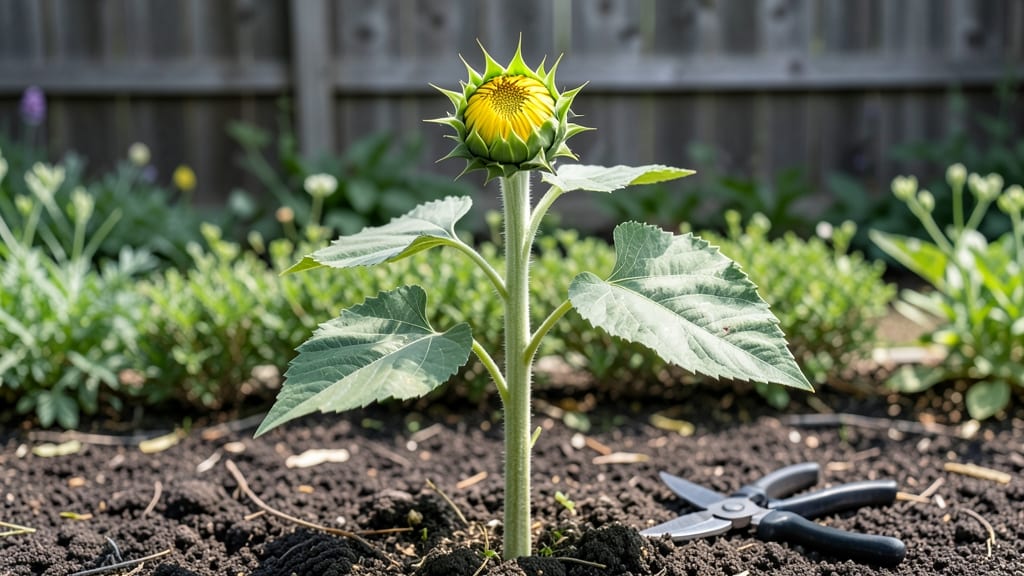
Planting sunflowers in Georgia depends on timing soil warmth and avoiding late frosts—typically between mid-March and early July for the best results.
Miss that window, and you risk seedlings freezing or wilting before they bloom. Georgia’s 7b-8b climate means frost can linger into April in the north, while southern regions may bake too fast by late June. The key is knowing your exact frost-free date and adjusting for heat-sensitive varieties.
Most gardeners in Georgia sow sunflower seeds directly into well-drained soil once temperatures hit 50°F. Transplanting is rare but possible if you start seeds indoors under grow lights. The right timing also means avoiding summer’s oppressive heat, which can stress young plants before they reach maturity.
In this guide, I’ll break down the ideal planting months by region, soil prep tips, and how to choose varieties that thrive in Georgia’s summer heat—so you can enjoy those towering 🌻 blooms from August through October.
Georgia sunflower planting deadlines by month: avoid frost & heat stress
Georgia’s USDA zones 7b-8b give you a long growing season for sunflowers, but timing is critical to avoid late frosts and summer heat stress. The last average frost date in most of Georgia falls around March 15, while the first frost typically arrives in mid-November.
This means you have a 210-day frost-free window, perfect for sunflowers that thrive in warm weather.
For the best results, plant sunflowers between mid-March and early July.
This window ensures your plants avoid both spring frosts and intense summer heat that can stress young seedlings. Direct sowing is the preferred method in Georgia, as sunflowers hate being transplanted and may struggle to recover from root disturbance.
Soil temperature is another critical factor—sunflowers need soil that’s at least 50°F for germination. In Georgia, this usually aligns with late March to early April in most regions, though coastal areas may warm up slightly earlier. Northern Georgia (like the mountains) might need to wait until mid-April.
Heat-sensitive varieties, like the Russian Giant, should be planted before June 1 to avoid stunted growth from high summer temperatures. Meanwhile, dwarf varieties like Moulin Rouge can handle late summer planting (up to early July) and still thrive, making them great for fall harvests.
| Month | Planting Window | Soil Temp | Best Varieties | Avoid |
|---|---|---|---|---|
| February | Start indoor seeds (4-6 weeks before last frost) | 60-65°F (indoor) | All dwarf varieties | Outdoor planting (frost risk) |
| March | Direct sow after March 15 (last frost) | 50°F+ | Russian Giant, Teddy Bear | Late frosts (cover seedlings) |
| April | Ideal direct sowing time | 60°F+ | Autumn Beauty, Mammoth | None (peak growing season) |
| May | Last chance for tall varieties | 70°F+ | Sunspot, ProCut (dwarf) | Extreme heat stress |
| June | Only dwarf varieties (late season) | 75°F+ | Moulin Rouge, Teddy Bear | Transplanting (root shock) |
| July | Emergency succession planting | 80°F+ | Sunflower seeds (fast-maturing) | Bolting (short lifespan) |
If you’re planting tall sunflowers like the Russian Giant, aim for April or early May to give them enough time to mature before fall frosts.
These varieties can take 100-120 days to reach maturity, so planting too late in the season risks immature harvests or frost damage before seeds fully develop.
For dwarf varieties, like Moulin Rouge or Teddy Bear, you have more flexibility. These can be planted as late as early July and still produce harvestable seeds before the first frost. They’re also heat-tolerant, making them ideal for late-season gardens or container growing.
One pro tip for Georgia gardeners: Succession planting works well for sunflowers. Plant a new batch every 2-3 weeks from March to June to ensure a continuous supply of blooms and seeds throughout the summer and fall.
This is especially useful if you’re growing sunflowers for birdseed or culinary uses.
Always direct sow sunflower seeds in Georgia—transplanting is stressful for them and can lead to poor growth or bolting. Sow seeds 1 inch deep and 6 inches apart, then thin to 12-24 inches apart once they’re <
5 Critical factors that determine your sunflower planting time in Georgia
Georgia’s diverse climate—from the humid coastal plains to the Piedmont’s rolling hills—means one-size-fits-all planting advice won’t work for sunflowers. While most gardeners focus on calendar months, the real magic happens when you align your planting with soil conditions, variety traits, and microclimates.
Skipping these factors can leave you with stunted plants or flowers that bolt too quickly. Let’s break down what truly matters for your Georgia sunflower success.
First, soil temperature is your secret weapon. Sunflower seeds need soil that’s at least 50°F to germinate, but 60°F+ is ideal for faster growth. In Georgia, this often means waiting until mid-April in northern regions (like Athens) or early March in warmer coastal areas (like Savannah).
Testing with a soil thermometer takes the guesswork out of timing—especially if you’re planting heat-sensitive varieties like ‘Autumn Beauty’.
Next, consider your sunflower variety. Tall varieties like ‘Russian Giant’ need longer growing seasons (up to 120 days) and should be planted by late May to avoid fall frosts.
Shorter types like ‘Moulin Rouge’ mature in just 50-60 days, giving you flexibility to plant as late as early July for fall blooms. Mixing varieties can extend your bloom season from summer into early autumn.
- 🌡️ Soil Temperature: Wait until soil reaches 50°F+ (use a thermometer!). Coastal areas can plant 2-3 weeks earlier than Piedmont regions.
- 🌿 Variety Matters: Tall sunflowers (10+ ft) need early spring planting (March-April), while dwarf types (3-4 ft) tolerate late summer sowing (June-July).
- 🌍 Microclimates: Coastal Georgia (Zone 8b) can plant earlier (Feb-March) than northern Piedmont (Zone 7b). Urban heat islands may need shade cloth for late plantings.
- 🌱 Companion Plants: Pair sunflowers with basil or marigolds to deter pests and extend your planting window by 2-3 weeks in spring/fall.
- ⏳ Risk Assessment: Planting after mid-June risks heat stress (bolting) or fall frosts cutting blooms short. Use succession planting for staggered harvests.
Georgia’s regional microclimates create another layer of complexity. Coastal areas like Brunswick enjoy longer frost-free seasons, while the Piedmont (Athens, Macon) faces earlier frosts. If you’re in the mountains (Zone 7a), aim for April 15 planting to avoid late-spring frosts.
Even within cities, urban heat islands can push planting dates 1-2 weeks earlier—just be prepared for bolting if temperatures spike.
Don’t overlook companion planting as your secret tool for extending the season. Sunflowers pair beautifully with basil (repels pests) or marigolds (deters nematodes), letting you plant 2-3 weeks earlier in spring or later in fall without risk.
I’ve had success sowing sunflowers alongside beans or cucumbers in late May, using the sunflowers as natural trellises while the shorter plants benefit from shade.
Finally, weigh the risks of late planting. After mid-June, Georgia’s heat can cause sunflowers to bolt prematurely (shoot up without flowering) or suffer from powdery mildew in humid conditions. For late plantings, choose dwarf varieties or use shade cloth to buy time.
If you’re in Zone 7b, aim to have sunflowers 6+ inches tall before July 15 to ensure blooms before frost.