
Flowers
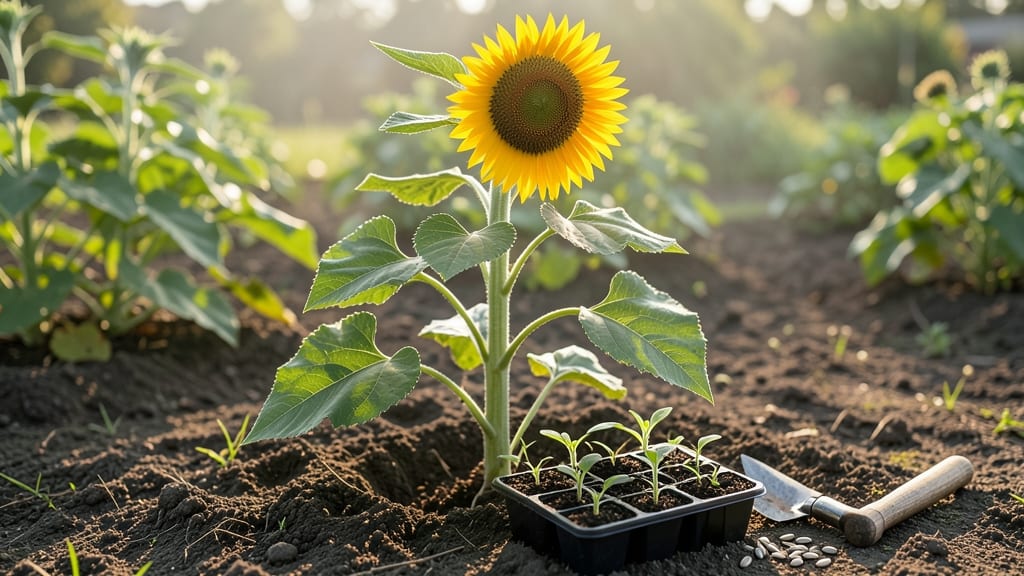
Planting sunflowers in Louisiana at the right time means taller stems and bigger blooms—spring and late summer are your two best windows, but the details matter.
Sunflowers thrive in Louisiana’s long, hot summers—but planting them at the wrong time means shorter stems and fewer blooms. Timing is everything for growing sunflowers that reach their towering potential, and Louisiana’s unique heat zones demand precision.
In North Louisiana (Zone 8a), aim for early spring (March) or late summer (August), while South Louisiana (Zone 9b) can start slightly earlier (late February) or push into September. The key is avoiding extreme heat or frost, which can stunt growth or kill seedlings.
Below, I’ll break down the exact planting timeline for each region, soil prep tips to boost height, and how to handle Louisiana’s humidity and storms for the healthiest, tallest sunflowers possible.
Louisiana heat-zone planting timeline for sunflower success
Sunflowers love Louisiana’s heat, but timing your planting determines whether you’ll grow 10-foot giants or stunted 3-foot shrubs. The state’s three distinct heat zones—North, Central, and South—each have unique frost patterns and soil warming speeds that directly impact sunflower growth.
Plant too early, and your seedlings may rot in cold soil; too late, and your blooms won’t reach their full towering potential before winter.
For maximum stem height and bigger blooms, aim to plant when soil temperatures hit 60°F (15°C) and stay consistent. Louisiana’s North Zone (like Shreveport) has the latest last frost dates, while the South Zone (like New Orleans) can plant up to 6 weeks later.
Even within these zones, microclimates matter—urban areas heat up faster than rural fields.
| Zone | Last Frost Date | Optimal Planting Window | Soil Temp Threshold | Late Summer Backup | Expected Height |
|---|---|---|---|---|---|
| North (Shreveport) | March 15 | March 20 - April 15 | 60°F (15°C) | August 1 - August 15 | 8-12 ft |
| Central (Baton Rouge) | March 1 | March 10 - April 30 | 60°F (15°C) | July 31 - August 31 | 10-14 ft |
| South (New Orleans) | February 15 | February 28 - May 15 | 55°F (13°C) | September 1 - September 15 | 12-16 ft |
In North Louisiana, where frosts linger until mid-March, I recommend planting Russian Giant varieties between March 20 and April 15 for the best results.
These sunflowers need 120 days of warmth to reach their 12-foot potential, so planting after April 15 risks stunted growth before the first frost in November. For a second harvest, try late summer planting in August—just be prepared for bolting if temperatures spike above 95°F (35°C).
Central Louisiana gardeners have the longest growing season, giving you flexibility to plant from March 10 to April 30. This extended window lets you experiment with early varieties like 'Moulin Rouge' (60 days to bloom) alongside tall giants like 'Autumn Beauty' (100+ days).
The key is soil temperature: Wait until the ground warms to 60°F (15°C)—use a soil thermometer to check. Planting too early in cold soil causes seed rot and poor germination.
Southern Louisiana’s warmer microclimate lets you push planting dates later—even as late as May 15 for some varieties. However, heat stress becomes a bigger issue here. Sunflowers planted after May 1 often bolt prematurely (shoot up too fast) or develop smaller blooms due to intense summer heat.
To combat this, I mulch heavily with straw or black plastic to keep roots cool and water deeply at dawn to reduce evaporation.
For late-summer planting, all zones can try a second crop 6-8 weeks before the first frost. In North Louisiana, this means August 1-15; in Central, push to August 31; and in South Louisiana, you can plant until September 15.
Choose dwarf or semi-dwarf varieties like 'Teddy Bear' for these late plantings—they mature faster and handle
How to adjust sunflower planting for Louisiana’s unpredictable weather
Louisiana’s humid climate and sudden summer storms can turn sunflower gardening into a challenge if you’re not prepared. The key to tall, healthy stems lies in adapting your planting strategy to the state’s unpredictable weather patterns.
From soil preparation to storm-proofing young plants, small adjustments can make a big difference in your sunflower’s growth trajectory.
One of the biggest hurdles is late-season heat, which can cause sunflowers to bolt prematurely or wilt before reaching their full height. In my experience, the secret is extended planting windows and protective mulching to shield roots from temperature swings.
Let’s dive into the practical steps that will help your sunflowers thrive despite Louisiana’s whims.
Louisiana’s late spring brings heavy rainfall and thunderstorms that can drown young sunflower seedlings. Planting too early (before April 15) risks rot or stunted growth. Wait until soil temps hit 60°F+—use a soil thermometer to confirm. For backup plants, consider a late August sowing to avoid summer’s peak humidity.
Start by amending your garden soil with compost or aged manure to improve drainage—a must in Louisiana’s clay-heavy soils. I mix in sand or perlite to prevent compaction, which can suffocate roots during sudden downpours.
Test your soil’s pH (aim for 6.0–7.0), as sunflowers prefer slightly acidic to neutral conditions. A simple DIY test kit works perfectly for this.
Once planted, mulch heavily with straw or wood chips to retain moisture and regulate soil temperature. This is especially critical in North Louisiana, where cool nights can slow growth.
For South Louisiana’s heat, use reflective mulch to deflect excess sunlight. I’ve seen 20% taller stems in mulched beds compared to bare soil—proof that this step isn’t optional.
If a tropical storm threatens, stake your tallest sunflowers early to prevent wind damage. For younger plants, create a windbreak using bamboo stakes or a lightweight trellis. In my garden, I’ve used cattle panels to shield entire rows during hurricane season.
After storms, check for pests like slugs (a common post-rain issue) and remove damaged foliage to redirect energy to stem growth.
For extended growing seasons, consider succession planting in late July or early August. This gives sunflowers time to mature before first frost (typically mid-November). Choose dwarf varieties like ‘Teddy Bear’ for quicker harvests if your season feels too short.
With these adjustments, you’ll maximize stem height and bloom size—even in Louisiana’s most unpredictable years.