
Plants
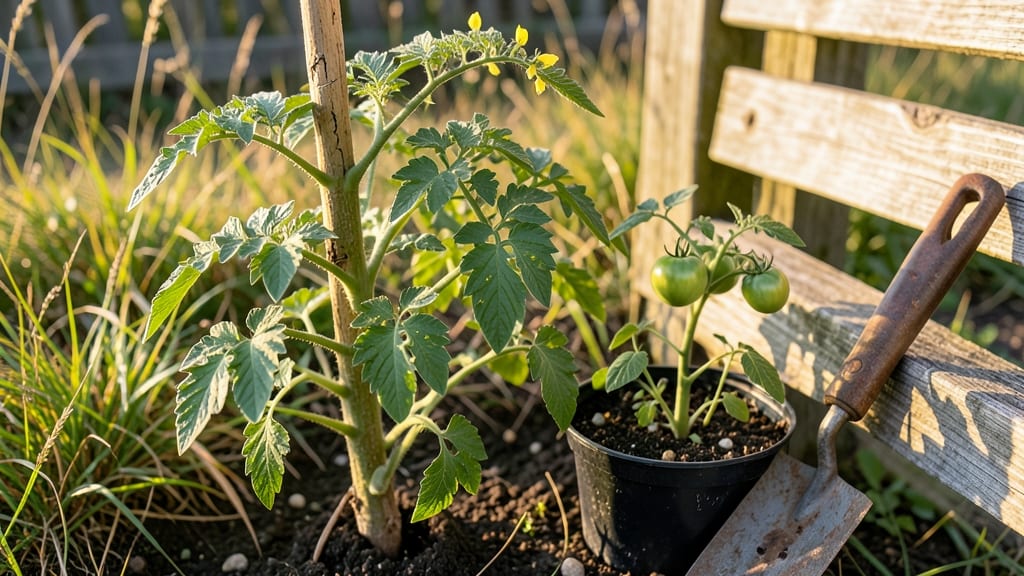
Planting tomatoes in Alabama depends on your microclimate—whether you’re in the humid Gulf Coast or the cooler Appalachian foothills—because the wrong timing can mean frost-killed seedlings or heat-stressed plants.
Alabama’s diverse climate means tomato planting dates can vary by hundreds of days. Miss the window, and you’ll either lose your plants to late frosts or watch them struggle under early summer heat. The key is knowing your zone’s last frost date and soil temperature thresholds.
In this guide, I’ll break down the exact planting windows for North, Central, and South Alabama—plus pro tips to adjust for Alabama’s unpredictable weather. Whether you’re starting seeds indoors or transplanting seedlings, you’ll know the perfect time to get your 🍅 plants in the ground for a bountiful harvest.
You’ll also discover how to choose heat-tolerant varieties, avoid common mistakes like planting too deep, and use row covers to extend your season. Let’s get those tomatoes growing!
Alabama tomato planting dates by microclimate zone (with frost risk maps)
Alabama’s 7 distinct microclimate zones create dramatic differences in tomato planting windows. In the cool mountain regions of North Alabama, you’ll plant 6-8 weeks before last frost, while South Alabama’s Gulf Coast gardeners can start as early as February for heat-tolerant varieties.
The key? Soil temperature must stay above 55°F consistently for seedlings to thrive.
Central Alabama serves as the moderate transition zone where most home gardeners focus. Here, transplanting dates typically fall between mid-March and early April, but direct sowing waits until late April to early May when nighttime temps stay above 50°F.
The frost risk maps below help pinpoint your exact window based on elevation and proximity to the coast.
🌱 PRO TIP: Use heat-tolerant varieties like 'Celebrity' or 'Heatmaster' in South Alabama to avoid blossom drop during summer heatwaves. For North Alabama, early varieties such as 'Stupice' or 'Mountain Merit' mature faster before summer stress sets in.
For North Alabama gardeners, the Appalachian foothills (like Huntsville) often see late spring frosts after April 15. Start heat-loving varieties indoors in February for transplanting by mid-April. Row covers can extend your season by 2-3 weeks if frost threatens.
In Central Alabama, cities like Birmingham and Montgomery offer the most predictable conditions. Aim to transplant 4-6 weeks before last frost (typically mid-March) and use shade cloth during peak summer heat (July-August) to prevent sunscald on fruit.
South Alabama’s humid subtropical climate allows for year-round planting with proper variety selection. Heat-tolerant hybrids like 'Solar Fire' thrive in 90°F+ temps, while cherry tomatoes ('Sweet Million') produce continuously. Succession plant every 2 weeks from February to May for a staggered harvest.
🌿 ZONE LOOKUP TIPS: Check your USDA zone (most of AL is 7b-8b) and adjust by elevation (+1°F per 300 feet). For example, Gadsden (Zone 7a) plants 2 weeks later than Mobile (Zone 8b). Use the Alabama A&M Extension frost maps for real-time updates.
Always harden off seedlings for 7-10 days before transplanting, regardless of zone. Morning transplanting on cloudy days reduces transplant shock. In clay-heavy soils (common in Central AL), amend with compost and sand to improve drainage and prevent blossom end rot.
Finally, track your local frost dates for 3 years to identify patterns. While the average last frost for Birmingham is March 15, I’ve
How to adjust tomato planting for Alabama’s unpredictable weather patterns
Alabama’s weather can shift from freezing overnight lows to 90°F heatwaves in weeks, making tomato gardening a balancing act. The key is adapting your planting strategy to protect tender seedlings and mature plants from extreme conditions.
My approach focuses on staggered planting, protective covers, and heat-tolerant varieties that thrive in Alabama’s USDA Zones 7b-8b. These methods help me extend the growing season by 4-6 weeks on both ends.
First, I always check the Alabama Agricultural Weather Network for real-time frost alerts and heat advisories. This helps me time my staggered plantings—spreading out transplants in 2-week intervals ensures at least one batch survives unexpected cold snaps or heat spikes.
For example, I might plant early varieties in late April and heat-tolerant types in early June, giving me a continuous harvest from June through October.
- 1 Use row covers (floating fabric) for late spring frosts—they raise soil temps by 5-8°F and protect until May 15 in most zones.
- 2 Deploy shade cloth (30-50%) in June-July to prevent heat stress—especially for Northern Alabama where temps can exceed 95°F.
- 3 Choose heat-tolerant varieties like 'Heatmaster' (South AL) or 'Celebrity' (Central AL)—both handle 90°F+ temps without wilting.
- 4 Mulch with straw or black plastic to stabilize soil temps—keeps roots 10°F cooler during heatwaves and retains moisture.
- 5 Water deeply at dawn (1-1.5 gallons per plant) to prevent blossom drop during sudden heat—avoid wetting foliage to reduce fungal risks.
For Northern Alabama, where late frosts linger until mid-April, I swear by cold frames or mini greenhouses to start transplants indoors by March 1. These give me a 3-week head start before moving hardened-off plants outdoors.
In Southern Alabama, I focus on succession planting every 2 weeks through June to beat the summer heat—by July, even heat-tolerant varieties struggle with humidity and pests.
One of my biggest lessons? Don’t plant all your tomatoes at once. Instead, I use the "3-3-3 Rule": 1/3 early varieties (like 'Stupice'), 1/3 mid-season (like 'Better Boy'), and 1/3 late-season (like 'Heatmaster').
This spreads out my harvest and reduces risk from Alabama’s unpredictable weather. I also rotate crops yearly to prevent soil-borne diseases like Verticillium wilt, which thrives in Alabama’s hot, humid summers.
If you’re new to Alabama gardening, start small with 10-15 plants and focus on determinate varieties (like 'Roma') for easier management. They’re bushier, handle heat better, and produce fruit faster than indeterminate types.
Pair them with trellises to improve airflow and reduce disease pressure—a must in Alabama’s tropical moisture.
Finally, keep an eye on the Alabama Cooperative Extension System for localized alerts. Their pest and disease reports help me time fungicide sprays or organic remedies before problems escalate. With these adjustments, I’ve turned Alabama’s unpredictable weather into an advantage—giving me tomatoes from June through October every year.