
Plants
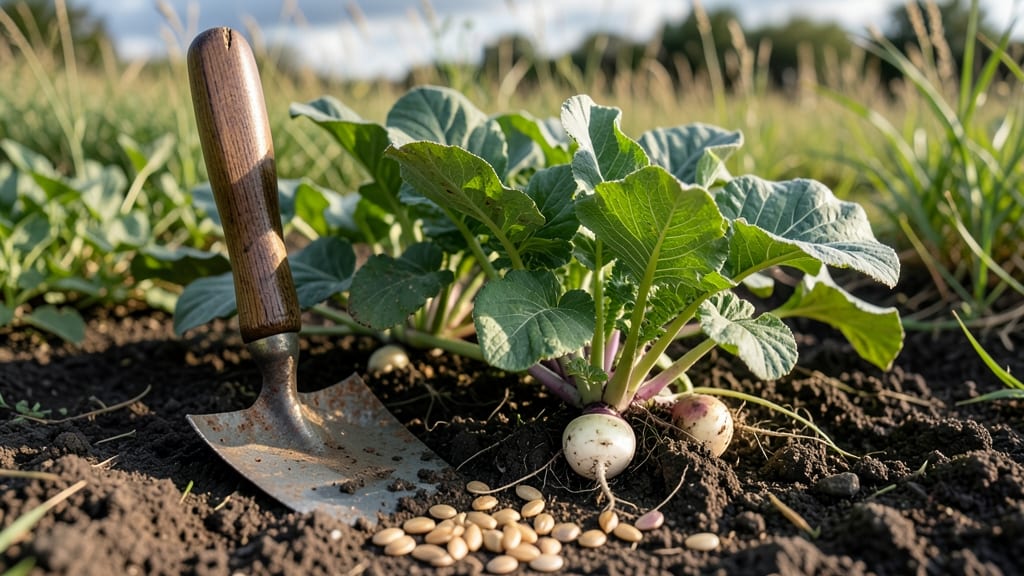
Planting turnips in Missouri requires timing them just right to beat the frost—aim for early spring or late summer, when soil temperatures hit 45°F and stay reliable.
Missouri’s unpredictable frost dates can turn your turnip dreams into disappointment—unless you plant at the perfect time. Get the exact frost-free windows for your Missouri zone to grow crisp, flavorful turnips all season.
Spring plantings in March or April give you May-June harvests, while late summer sowings (July-August) yield roots by fall. But wait too long in spring, and frost strikes before maturity; plant too early in fall, and heat stresses seedlings.
Below, I break down the ideal planting windows by zone, soil prep secrets, and how to stretch your harvest with succession planting—so you never miss a turnip again.
Missouri turnip planting calendar by hardiness zone (5a-6b)
Missouri's USDA zones 5a-6b offer two prime turnip planting windows, but timing is everything. Spring planting gives you early harvests, while fall planting avoids summer heat. The key? Soil temperatures must stay above 40°F for germination, and frost dates vary by 10-14 days across the state.
Most Missouri gardeners focus on spring planting (March-April) and fall planting (July-August), but your exact zone matters. Zone 5a gardeners face earlier frosts than zone 6b, so we'll break down the frost-free windows and ideal soil temps for each.
Missing these windows means bolting or frost damage—neither of which you want with your turnips.
Pro Tip: Use a soil thermometer to confirm temps before planting. Turnip seeds need 40-85°F soil to germinate properly. If your soil is colder, wait 1-2 weeks or use row covers for early starts.
| Zone | Avg. Last Frost | Avg. First Frost | Spring Planting Window | Fall Planting Window | Ideal Soil Temp |
|---|---|---|---|---|---|
| 5a | April 10 | October 20 | March 15-April 15 | July 15-August 15 | 45-75°F |
| 5b | April 1 | October 10 | March 1-April 30 | July 1-August 30 | 40-80°F |
| 6a | March 25 | October 5 | February 28-April 15 | June 20-August 15 | 40-85°F |
| 6b | March 15 | October 1 | February 15-April 30 | June 15-August 30 | 40-85°F |
For zone 5a, aim to plant turnips by April 15 for spring harvests, as late frosts can still hit after that date. Fall planting should wrap up by August 15 to ensure roots mature before mid-October frosts.
In zone 6b, you’ve got a 2-week buffer on both ends—plant as late as April 30 in spring or as early as June 15 for fall.
Missouri’s soil temperatures are the real game-changer. Turnip seeds won’t germinate below 40°F, so if your soil is colder (common in early March), use black plastic mulch or a cold frame to warm it up.
Check temps with a soil thermometer—if it’s below 45°F, wait 1-2 weeks for better germination rates.
Don’t forget about succession planting! Turnips grow quickly (30-60 days to harvest), so sow seeds every 2-3 weeks during your planting window. This ensures a steady supply of fresh turnips.
For example, in zone 5b, plant on March 1, March 15, April 1, and April 15 for continuous harvests through June.
If you’re planting in late summer for fall harvests, prioritize shade cloth during August’s heat waves. Turnips
Spring vs. fall turnip planting: which works better in Missouri?
Deciding whether to plant turnips in spring or fall in Missouri depends on your goals: quick harvests or extended yields. Both seasons work, but each offers unique advantages. Let's break down the pros and cons to help you choose the best approach for your garden.
Missouri's USDA zones 5b-6b experience last frosts around April 15 and first frosts near October 15. Spring planting (March-May) gives you an early harvest, while fall planting (August-September) extends your harvest into cooler months. The right choice depends on your local microclimate and what you want from your turnips.
Spring Planting (March-May)
Pros
- Faster growth (harvest in 45-60 days)
- Earlier access to fresh turnips
- Lower risk of pests like flea beetles
Cons
- Limited harvest window (May-June)
- Requires soil warming (wait until soil reaches 45°F)
- Potential bolting in hot weather
Fall Planting (August-September)
Pros
- Extended harvest (September-October)
- Cooler temps prevent bolting
- Better root development in fall
Cons
- Higher risk of pests like cabbage worms
- Requires succession planting for continuous harvest
- Soil may be too warm for germination
For maximum yield, many Missouri gardeners use a combination of both seasons. Start with spring planting in early March for quick greens, then follow up with fall planting in late August for a late-season harvest. This approach ensures you have fresh turnips from May through October.
When preparing your soil, focus on drainage—turnips hate soggy conditions. In spring, amend your beds with compost to warm the soil faster. For fall, add a layer of organic mulch to protect young plants from early frosts. Both seasons benefit from well-draining soil with a pH between 6.0-7.0.
If you're new to growing turnips, I recommend starting with spring planting—it's more forgiving for beginners. Once you've mastered the timing, experiment with fall planting for a second harvest.
Just remember: in Missouri, pest pressure increases in fall, so keep an eye out for cabbage worms and flea beetles.
Pro tip: For both seasons, plant your turnips 1-2 inches apart and ½ inch deep. Thin seedlings to 3-4 inches apart once they sprout to give roots room to grow. This spacing makes harvesting easier and reduces competition for nutrients.
🌱 Whether you choose spring or fall, Missouri's climate rewards patient gardeners with crisp, flavorful turnips. Start with one season, track your success, and adjust next year based on your harvest results!