
Flowers
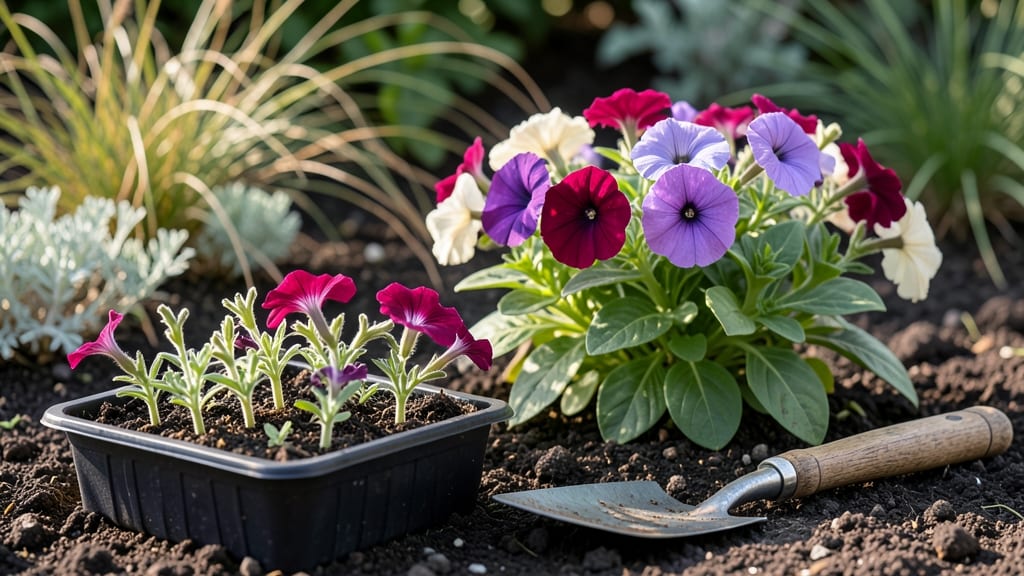
Knowing when it is safe to plant flowers in Missouri ensures your garden thrives—usually after late April’s last frost, though exact timing varies by region.
Missouri gardeners know the struggle: plant too early, and frost zaps your blooms; wait too long, and summer heat arrives before your flowers even sprout. Timing is everything—especially in USDA Zones 5B and 6A where last frost dates can vary by weeks.
This guide breaks down the exact frost-free windows for St. Louis, Kansas City, and Columbia, plus how to adjust for microclimates. You’ll also learn which flowers thrive in early spring and which need the heat of summer to bloom.
By the end, you’ll know not just when to plant, but how to prepare your soil, choose the right varieties, and even extend your planting season with simple tricks.
Missouri frost-free dates by region: exact timelines for planting flowers safely
Missouri's USDA Zones 5B and 6A create a unique challenge for gardeners—frost dates shift dramatically between St. Louis, Kansas City, and Columbia. In my experience, waiting until the official last frost date guarantees safer planting, but microclimates (like urban heat islands) can shift timing by 1-2 weeks.
For example, downtown St. Louis often warms up 5-7 days earlier than rural areas 30 miles away.
To avoid frost damage to tender flowers, I recommend using a 3-step verification process: check the 10-year average, monitor local weather alerts, and test soil temperatures.
The Missouri Botanical Garden tracks these dates annually, and their data shows St. Louis averages April 15, while Kansas City typically hits April 22. Columbia falls right in the middle at April 18.
Here’s my summary table breaking down exact frost-free timelines by region, including historical data and microclimate adjustments for urban vs. rural areas:
For hardy annuals like pansies or snapdragons, I often start planting 2-3 weeks before the average last frost date. These flowers can tolerate light frosts (down to 25°F), so I use them as my early-season test plants.
If they survive, I know it’s safe to plant tender varieties like petunias or geraniums.
One trick I’ve learned is to check soil temperature—flowers need at least 60°F soil to thrive. A soil thermometer (just $10) is a game-changer. In St. Louis, soil hits 60°F around April 25, while Kansas City lags until May 2.
This delay explains why some gardeners rush planting and end up with stunted blooms.
Don’t forget about fall planting! Missouri’s first frost typically arrives between October 15 and November 1, depending on the region. For cool-season flowers like asters or chrysanthemums, I plant seeds in late August to ensure they establish roots before winter.
In Columbia, I’ve had success with pansies planted as late as October 10, while St. Louis’s urban heat allows for 2 weeks later.
Local Missouri Extension offices provide real-time frost alerts, and I recommend bookmarking their frost-free date maps. For example, the University of Missouri Extension offers a free frost calendar updated weekly. Combine this with your personal observations—like watching cherry blossoms bloom—as a natural
Cold-hardy flowers vs. heat-loving varieties: what to plant when in Missouri
Missouri’s two-phase growing season gives us a golden opportunity to enjoy blooms year-round—if we plant the right flowers at the right time. Early spring demands frost-resistant varieties, while late summer calls for heat lovers. The key? Pairing cold-hardy annuals with heat-tolerant picks to maximize your garden’s potential.
My garden thrives when I follow Missouri’s two planting windows: the first after the last frost (mid-April), and the second in late June when summer heat settles in. Pansies and snapdragons handle early spring’s chill, while marigolds and zinnias shine when temperatures rise.
Let’s break down the best matches for each season.
🌱 Comparison Table: Missouri Flower Planting Strategy
For your first planting in March/April, focus on cold-hardy annuals that tolerate light frosts. Pansies (Viola × wittrockiana) bloom even in 32°F temperatures, while snapdragons (Antirrhinum) thrive in cool soil.
My go-to checklist includes testing soil temperature with a thermometer—wait until it hits 40°F before planting. These varieties also handle partial shade, perfect for early spring’s weaker sunlight.
When June rolls around, switch to heat-loving annuals like zinnias (Zinnia elegans) and marigolds (Tagetes). These plants thrive in 90°F+ heat and full sun, filling your garden with color when other flowers fade.
I always prep the soil with compost to retain moisture during dry spells. Succession planting every 2-3 weeks ensures continuous blooms until frost.
Don’t overlook fall planting—late August is ideal for chrysanthemums and kale flowers, which handle Missouri’s crisp autumn air. These varieties extend your blooming season until first frost (typically mid-October). My secret? Mulch heavily to protect roots from temperature swings and water deeply before hard frosts arrive.
Missouri’s climate rewards gardeners who adapt their planting strategy to seasonal shifts. By pairing cold-hardy and heat-loving flowers, you’ll enjoy nonstop color from spring through fall—without risking frost damage or wilting in summer’s heat. Start with my two-phase approach, and your garden will flourish year-round!