
Plants
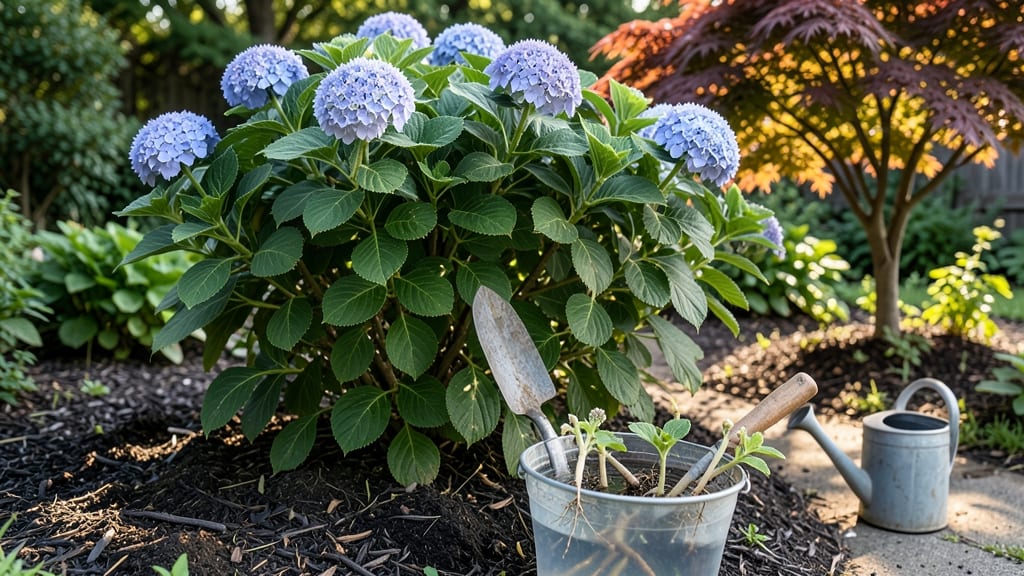
The best time to plant hydrangeas in the Northeast is spring after the last frost or early fall—when soil temps hover around 60°F and roots can establish before winter.
Picture this: you’ve just unpacked your new hydrangea 🌸, only to watch it wilt because you planted it too early in chilly soil or too late as frost crept in.
That’s why timing matters—especially in Zones 5-7, where a single week off can mean the difference between a bush bursting with blooms and one struggling to take hold.
Spring planting lets roots grow strong before summer heat, while fall gives them a head start before dormancy. But here’s the catch: your exact deadlines depend on your zone, soil warmth, and whether you’re planting in-ground or in containers.
Miss the window, and you might end up with stunted growth or frost damage.
Below, I’ll break down the zone-specific deadlines you need to know, plus soil prep tips and what to do if you plant outside the ideal window. No more guesswork—just a thriving hydrangea next season.
Northeast hydrangea planting deadlines by USDA Zone (with frost date safeguards)
Timing your hydrangea planting is critical in the Northeast, where USDA Zones 3-7 experience wildly different frost patterns. Plant too early, and cold soil stunts roots. Plant too late, and fall frosts can kill tender new growth.
The ideal window is spring after the last frost or early fall—but your exact deadline depends on your zone.
For example, gardeners in Zone 3 (like northern New York or Vermont) must plant by June 15 to avoid summer heat stress, while Zone 7 (like parts of Maryland or Virginia) can extend planting until October 15.
Below, I’ve mapped out the precise deadlines for each zone, including frost-free date calculations and backup plans for delayed planting.
Pro Tip: Use a soil thermometer—roots need soil temps of 60°F+ to establish. If your soil is colder, wait or use black plastic mulch to warm it faster.
| USDA Zone | Spring Planting Window | Fall Planting Window | Last Frost Date | First Frost Date | Contingency Plan |
|---|---|---|---|---|---|
| Zone 3 | May 15–June 15 | August 15–September 1 | May 10 | September 20 | Use frost blankets if planting late |
| Zone 4 | May 1–June 10 | August 1–September 10 | April 25 | October 5 | Mulch heavily for fall planting |
| Zone 5 | April 20–May 30 | September 1–October 1 | April 15 | October 15 | Plant in containers for flexibility |
| Zone 6 | April 1–May 20 | September 15–October 10 | April 1 | October 30 | Water deeply post-planting |
| Zone 7 | March 15–April 30 | October 1–November 1 | March 10 | November 15 | Use row covers for late fall |
If you miss the spring window, don’t panic—fall planting is still viable if done 4-6 weeks before the first frost. For example, in Zone 5, aim for September 1–October 1.
The key is giving roots time to establish before winter dormancy. Use a soil thermometer to confirm temps are above 50°F before planting.
For late-spring delays (e.g., planting in June or July), opt for container planting to control soil warmth. Water deeply every 2-3 days and shade young plants with burlap sacks to reduce stress. Mulch with 3 inches of straw to retain moisture and regulate soil temperature.
Another trick? Plant bare-root hydrangeas in early spring—they establish faster than container-grown plants. Soak roots for 2-3 hours before planting to reduce transplant shock. In Zones 3-4, consider microclimates near south-facing walls, which warm up faster in spring.
Remember: Hydrangeas hate soggy soil. Amend clay-heavy Northeast soil with compost and perlite to
How to prepare hydrangea roots for Northeast planting (soil, climate, and transplanting tips)
Before you dig that hole, root preparation is the secret weapon for hydrangeas thriving in the Northeast’s cool, acidic soils. Whether you’re planting bare-root or container-grown hydrangeas, the right prep ensures roots establish quickly—critical for surviving our short growing seasons and frost-prone winters.
Start by testing your soil’s pH (aim for 5.5–6.2), since hydrangeas are famously picky about acidity.
For container-grown hydrangeas, gently loosen the root ball and trim any circular roots (they’ll choke growth). Soak the roots in water for 10–15 minutes before planting to rehydrate them—especially important after a dry spring.
If your soil is heavy clay (common in Zones 5–7), amend it with 1 part compost to 3 parts native soil to improve drainage.
Now, here’s the key takeaway you can’t miss:
🌱 Best Time to Plant Hydrangeas in the Northeast
Zone 5: May 1–June 15 (after last frost) or September 1–October 1 (4–6 weeks before first frost).
Zone 6: April 15–May 30 or August 15–September 30.
Zone 7: March 15–April 30 or August 1–September 15.
Pro Tip: Use a soil thermometer—roots need 60°F+ soil to thrive. Bare-root hydrangeas must be planted immediately after purchase; container-grown ones can wait 1–2 weeks if roots are moist.
For bare-root hydrangeas, soak the roots in lukewarm water for 2–4 hours to revive them, then trim any broken or blackened roots with clean pruners. Plant them 1–2 inches deeper than their container level—this encourages stronger root growth.
In Zone 5 gardens, where winters are harsh, add 3 inches of mulch after planting to insulate roots.
Climate matters too: Spring planting in the Northeast gives roots 6–8 weeks to establish before summer heat, while fall planting lets them grow until frost. If you’re in Zone 7 with mild winters, fall planting (August–September) is ideal—roots grow until cooler temps, then rest through winter.
But in Zone 5, avoid planting after September 15 to prevent frost damage.
One last trick: Water deeply every 2–3 days for the first month after planting to encourage root spread. Use a root stimulator (like mycorrhizal fungi) to boost growth in poor or compacted soils. With the right prep, your hydrangea will burst with blooms next season—no more wilting surprises! 🌸