
Companion Plants
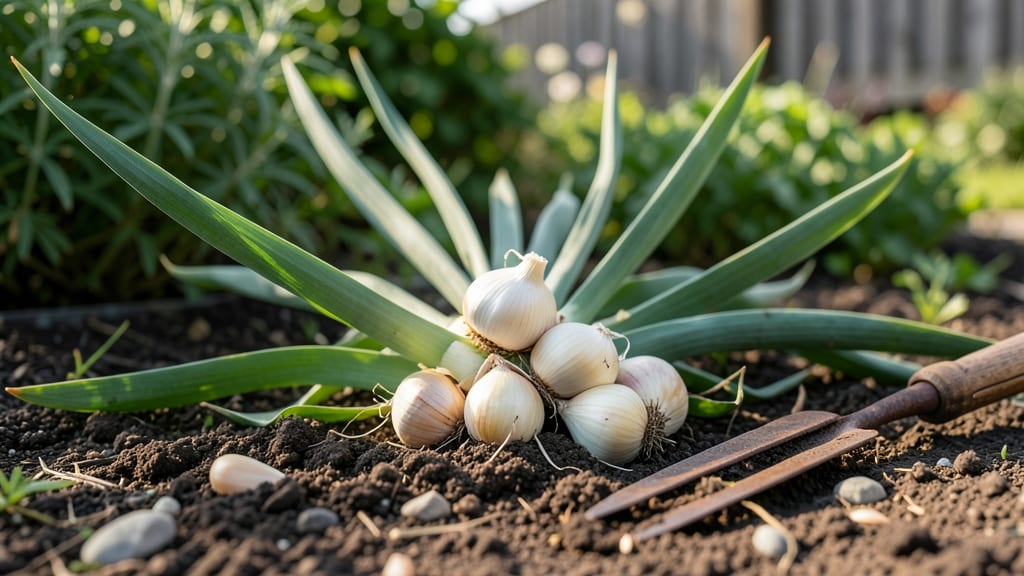
Planting garlic in Zone 6 at the right time means the difference between plump, flavorful bulbs and tiny, weak cloves that barely store.
If you’ve ever pulled up a harvest only to find shrunken garlic that barely fills a jar, you’re not alone. The secret isn’t just the soil or the variety—it’s when you plant.
In Zone 6, timing is everything, especially for hardneck garlic, which thrives in cold winters but needs a precise window to form bulbs.
Most gardeners in Zone 6 plant garlic in the fall, but the exact dates matter. Aim for 4–6 weeks before the ground freezes, typically between mid-October and early November. This gives the roots time to establish before winter dormancy, while the tops die back naturally in spring.
Plant too early, and the garlic may bolt; too late, and the bulbs won’t mature fully.
Below, I’ll break down the ideal planting schedule, how to adjust for early/late frosts, and the one mistake that ruins more garlic crops than any other. Plus, whether you’re growing hardneck or softneck varieties, you’ll learn how to maximize your harvest in Zone 6’s climate.
Ideal fall planting window for garlic in Zone 6 (with exact dates)
If you're growing hardneck garlic in Zone 6, timing your fall planting is the single most critical factor for a high-yield harvest.
Unlike many crops, garlic needs a cold winter dormancy to develop properly—plant too early or late, and you’ll end up with small, weak bulbs or even no harvest at all.
In Zone 6, the perfect 6-week window for planting garlic falls between mid-October and early December, but the exact timing depends on your local frost dates and soil temperature thresholds.
The goal is to plant 4-6 weeks before the ground freezes, allowing roots to establish before winter sets in.
Here’s the golden rule: Aim to plant garlic when soil temperatures drop to 40-50°F (4-10°C). At this temperature, roots grow actively but won’t be damaged by frost.
If you plant too early (e.g., September), the garlic may sprout and send up shoots before winter, only to die back or produce underdeveloped bulbs.
Conversely, planting too late (e.g., January) means the garlic won’t have enough time to root deeply before spring growth, leading to poor bulb formation.
In Zone 6, where first frost dates typically arrive around October 15, your planting window hinges on 6 weeks before that date—usually mid-September to mid-October.
For example, if your average first frost date is October 20, aim to plant garlic by September 15. Conversely, if frost arrives earlier than usual (e.g., October 5), shift your planting to mid-September. Always verify with your local cooperative extension service for precise frost data.
Another key factor is soil moisture. Garlic needs consistent moisture to root before winter, but waterlogged soil can cause rot. After planting, apply 2-3 inches of mulch (straw or leaves) to insulate the soil and retain moisture.
This mulch layer also protects cloves from freezing and prevents soil heaving during freeze-thaw cycles.
If you’re unsure about your exact planting window, consider planting a test row in early October. Monitor the soil temperature and adjust future plantings based on how quickly the garlic establishes. Over time, you’ll fine-tune your timing to match your Zone 6 microclimate.
Remember, hardneck garlic (the variety best suited for Zone 6) relies on cold vernalization to form bulbs. Planting at the right time ensures the cloves receive the 4-6 weeks of cold they need to trigger bulb development in spring.
Skip this step, and you’ll miss out on large, flavorful bulbs.
Once planted, your garlic will remain dormant until spring, when it’ll burst into growth. With the right timing, you’ll harvest plump, papery-skinned bulbs by mid-summer—worth every minute of planning!
How to choose the perfect garlic variety for Zone 6’s climate
Zone 6 gardeners know that not all garlic varieties thrive equally in our cool but variable climate. The right choice ensures larger bulbs, better flavor, and easier storage.
First, decide between hardneck and softneck varieties—hardnecks produce flavorful cloves and scapes, while softnecks store longer but lack the bold taste. For Zone 6, hardneck varieties are the star performers, especially when planted in fall.
Cold-hardiness is critical in Zone 6, where winter temperatures can drop below 10°F (-12°C). Some varieties handle frost better than others, and selecting the right one means the difference between frozen cloves and a thriving harvest.
Below, I’ve rated the top 5 Zone 6-adapted varieties based on their ability to survive winter, bulb size, and flavor intensity.
‘Music’ is a fan favorite in Zone 6 because it thrives in our cool winters and produces large, flavorful bulbs. It’s a hardneck variety, so expect delicate scapes in early summer—a bonus for gardeners who love fresh garlic shoots. If you prioritize storage life, consider ‘German White’, which keeps well for months but has a milder taste. For those who love bold, spicy flavor, ‘Chesnok Red’ is unbeatable, though it matures slightly later.
Bulb size matters if you’re growing garlic for culinary use. ‘Creole’ delivers medium-sized bulbs with a rich, almost buttery texture, perfect for roasting. Meanwhile, ‘Silverskin’ is a softneck option that stores beautifully but struggles more in harsh Zone 6 winters.
If you’re unsure, start with ‘Music’—it’s forgiving and productive.
Storage needs also play a role. Hardnecks like ‘Music’ and ‘Chesnok Red’ cure quickly and store for 4-6 months in a cool, dry place. Softnecks like ‘German White’ can last up to 12 months but require consistent moisture during growth.
For long-term storage, braid softneck bulbs to extend shelf life—this traditional method works wonders in Zone 6’s humid summers.
Pro tip: If you’re new to garlic growing, start with 3-4 varieties to test what works best in your specific microclimate. Zone 6 can have microclimate variations, so what thrives in your neighbor’s garden might not perform as well in yours.
Keep notes on bulb size, flavor, and storage success each year to refine your choices.
Remember, the best garlic for Zone 6 balances cold tolerance, flavor, and productivity. Plant your chosen varieties in well-draining soil with full sun, and don’t forget to mulch heavily in winter to protect those precious cloves from freezing. Happy planting! 🌱