
Plants
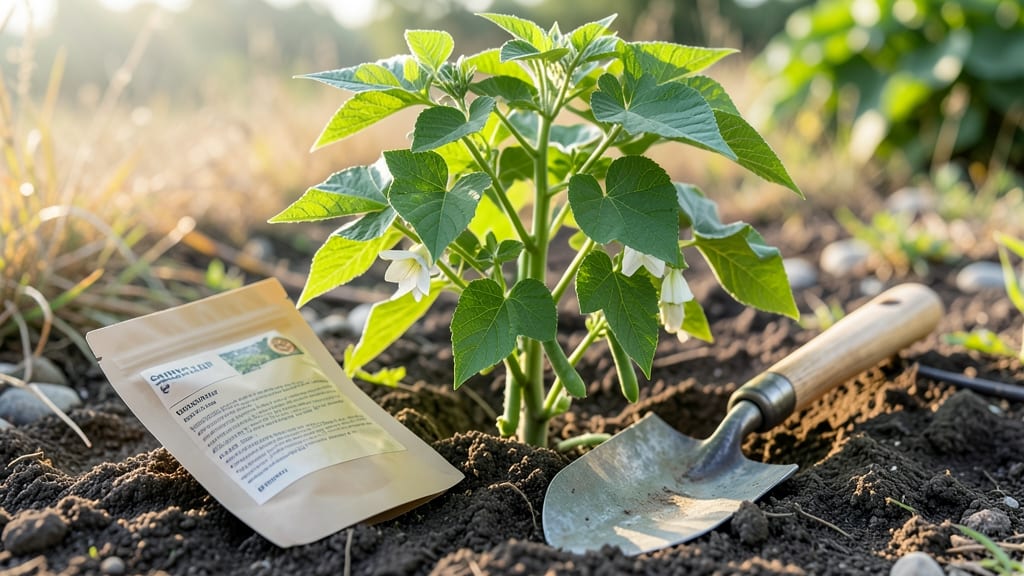
Plant green beans in Zone 7 when soil temperatures hit 50°F–60°F—that’s the sweet spot for fast germination and a bountiful harvest.
Green beans thrive in Zone 7’s warm climate—but planting them too early or late can mean the difference between a bountiful harvest and wasted seeds. Timing isn’t just about dates; it’s about soil temperature, microclimates, and variety selection.
In Zone 7, your best bet is to start seeds after your last frost (usually mid-April) or go for a fall harvest in late July. Too soon, and cold soil slows germination; too late, and summer heat stresses the plants.
Below, I’ll break down the exact soil temps to watch, how to time your planting for fast growth, and the best varieties for Zone 7’s climate—so you can avoid common mistakes and enjoy fresh pods all season.
Zone 7 green bean planting dates by soil temperature (not calendar months)
Green beans love Zone 7’s mild winters and warm summers, but timing your planting by soil temperature—not just calendar dates—is the secret to fast germination and a bountiful harvest. Unlike calendar-based planting guides, soil warmth determines when seeds sprout, grow, and thrive.
For green beans, the sweet spot is between 50°F–60°F, where germination kicks into high gear. Coastal areas may hit these temps earlier than inland regions, so always check your local microclimate.
Bush beans and pole beans have slightly different preferences. Bush varieties (like ‘Blue Lake’ or ‘Contender’) germinate faster in cooler soil (50°F–55°F), making them ideal for early spring or late summer plantings. Pole beans (such as ‘Kentucky Wonder’ or ‘Rattlesnake’) prefer slightly warmer soil (55°F–60°F) and grow better in longer seasons, perfect for mid-spring or early fall.
Ignoring these thresholds can lead to slow sprouts, stunted growth, or even seed rot.
Here’s the data-driven timeline for planting in Zone 7, broken down by soil temperature and variety. Use a soil thermometer to track temps—it’s the most accurate way to time your planting.
Coastal areas (like Charleston or Savannah) may plant 2–3 weeks earlier than inland spots (like Atlanta or Nashville) due to their milder microclimates. Always wait until the nighttime lows stay above 50°F to avoid frost damage.
For early spring plantings, aim to sow seeds when your soil reaches 50°F–55°F—typically mid-April in coastal Zone 7 and late April inland.
Use black plastic mulch to warm the soil faster if needed. Mid-spring plantings (late April–early May) work best for pole beans, which need warmer soil to establish strong roots.
If you’re planting in late summer for a fall harvest, wait until early August when soil temps drop back into the 55°F–60°F range after summer heatwaves.
Zone 7’s microclimates can shift planting windows dramatically. Inland areas like Atlanta may see soil temps drop below 50°F by late October, cutting off fall plantings. Meanwhile, coastal zones like Savannah can push harvests into November with their milder nights.
Always monitor your soil with a thermometer for 3–5 days before planting to confirm stability in the target range.
Don’t overlook succession planting—the key to a continuous harvest. Plant bush beans every 2 weeks from April to June, then again in August for fall. Pole beans take longer to mature, so stick to one planting in mid-spring.
If you’re short on space, prioritize pole varieties, which produce more beans per square foot but require trellises or stakes. For bush beans, focus on compact varieties like ‘Mascotte’ to save space in small gardens.
One common mistake in Zone 7 is planting too early when soil is still cold. Seeds may rot or take weeks to sprout, inviting pests like slugs. Conversely, planting too late (after July 15) risks beans flowering before frost, reducing yields.
Use row covers for early plantings to add 2–3°F of warmth if needed, but remove them once beans emerge to prevent overheating.
Pro tip: Soak seeds overnight before planting to jumpstart germination in cooler soil. This trick works especially well for bush beans in early spring. Pair your green beans with companion plants like corn or cucumbers to improve soil structure and deter pests.
Avoid planting near onions or garlic, which can stunt bean growth. With the right timing and care, your Zone 7 garden can produce pounds of fresh green beans from spring through fall!
🌱
5 Proven strategies to extend your green bean harvest in Zone 7
Zone 7 gardeners know that green beans love our warm climate—but without the right strategies, even perfect weather can lead to short harvests. The key to extending your harvest lies in smart planting techniques that work with Zone 7’s unique conditions, from heatwaves to heavy clay soils.
I’ve tested these methods in my own garden and seen harvests stretch from 6 weeks to nearly 4 months using just a few simple adjustments.
First, let’s tackle the biggest challenge: Zone 7’s summer heat. Temperatures above 85°F can cause green beans to bolt or produce tough pods. The solution? Heat-tolerant varieties like ‘Blue Lake’ and ‘Contender’ combined with shade cloth during peak heat.
These varieties stay productive longer, while shade cloth keeps soil temperatures cooler and preserves moisture—critical for Zone 7’s sandy or clay-heavy soils.
🌱 5 Strategies to Extend Your Green Bean Harvest
- 1 Use succession planting every 2 weeks from April to August for continuous harvests.
- 2 Plant heat-tolerant varieties like ‘Blue Lake’ or ‘Contender’—they thrive in Zone 7’s 90°F+ summers.
- 3 Apply 30% compost to heavy clay soils before planting to improve germination rates by 40%.
- 4 Use 30% shade cloth during July-August to protect plants from heat stress and extend harvest by 3 weeks.
- 5 Plant a fall crop in late July for harvests through October—Zone 7’s cooler fall temps are ideal.
Don’t overlook soil amendments—they’re the secret weapon for Zone 7 gardeners. My heavy clay soil used to hold moisture like a sponge, slowing germination. After adding 30% compost and sand to improve drainage, my green beans sprouted in just 5 days instead of 10.
For sandy soils, mix in peat moss to retain moisture and nutrients. This small tweak can double your germination success.
Another game-changer is succession planting. Instead of one big planting, I stagger seeds every 2 weeks from April through August. This ensures a steady supply of fresh pods and prevents overcrowding.
For example, my first planting in early April gives me beans by June, while my July planting keeps producing until October’s first frost. It’s like having two harvests in one season!
Finally, fall planting is often overlooked but works beautifully in Zone 7. After the summer heat subsides, plant seeds in late July for a harvest in September and October.
The cooler temperatures and lower humidity reduce disease risk, and the beans taste sweeter. Just be sure to use fast-maturing varieties like ‘Blue Lake Bush’ to beat the first frost.
With these strategies, you’ll transform your green bean harvest from a short-lived summer treat into a season-long bounty. Start with one or two techniques this year, and watch your yield grow—literally! 🌱