
Plants
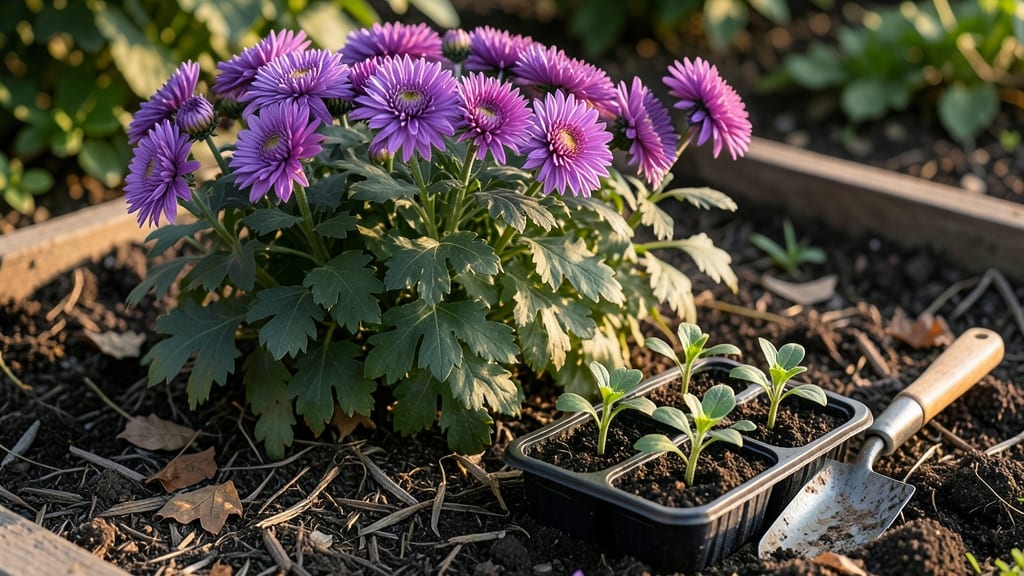
Planting mums in the ground should happen about 4-6 weeks before your first frost—a window that shifts from mid-summer in cold zones to early fall in warmer ones.
Miss that timing, and you might end up with bare patches where your vibrant 🌼 blooms should be, or worse, plants that struggle to root before winter sets in.
Whether you're in Zone 6a or a milder climate, getting this right means the difference between a showstopping fall display and a disappointment.
This guide breaks down the exact planting deadlines by region, soil prep secrets to ensure strong roots, and how to adjust for early or late frosts. No more guessing—just confident, zone-specific advice for mums that thrive.
You’ll also learn how to spot the best transplants, prep your soil for maximum blooms, and troubleshoot common mistakes that kill mums before they even start. Let’s get those fall colors growing right.
USDA Zone planting deadlines for mums by region
Timing your mum (chrysanthemum) planting is everything—get it right, and you'll enjoy vibrant fall blooms for weeks. Get it wrong, and you might end up with bare stems or plants that struggle to establish.
Since mums thrive in cool weather, they need 4-6 weeks before frost to root deeply and bloom beautifully. Your USDA hardiness zone determines the perfect window, whether you're in Zone 3 or Zone 11.
Most gardeners plant mums in early fall for fall blooms, but spring planting is also possible in warmer zones. The key is ensuring soil temperatures stay above 50°F (10°C)—cold soil can stunt root growth.
In colder zones, late summer transplants often work best, while Zone 10+ growers can plant year-round with minimal frost risk. Let’s break down the best planting deadlines by zone to help you schedule like a pro.
| USDA Zone | Early Fall Window | Mid Fall Window | Late Fall Window | Spring Window | Notes |
|---|---|---|---|---|---|
| Zones 3-4 | Late July - Early Aug | Mid-Aug - Early Sept | None (risk of frost) | Early May - Mid June | Use cold-hardy varieties; mulch heavily. |
| Zones 5-6 | Early Aug - Mid Aug | Late Aug - Early Sept | Mid Sept (if frost-free) | Late April - Early June | Avoid planting after September 15. |
| Zones 7-8 | Mid Aug - Late Aug | Early Sept - Mid Sept | Late Sept - Early Oct | March - Early May | Spring planting works well in warmer microclimates. |
| Zones 9-10 | Late Aug - Early Sept | Mid Sept - Late Sept | October (if no frost) | January - February | Can plant year-round with irrigation. |
| Zone 11 | September - October | November (for winter blooms) | December - January | Any month (except peak summer) | Use shade cloth in summer to prevent stress. |
If you're in Zones 3-4, focus on late July to early August for transplants, as this gives mums enough time to establish roots before first frost.
In Zones 5-6, you’ve got a slightly longer window—early August to mid-September—but avoid planting after September 15, or your mums may not bloom before winter.
For Zones 7-8, late summer to early fall is ideal, but spring planting (March-May) works too if you live in a warmer microclimate.
Gardeners in Zones 9-10 have the most flexibility, with planting windows stretching from late August to October. You can even plant in January-February for spring blooms!
In Zone 11, the rules relax even further—you can plant year-round, though summer heat may require shade cloth to protect young plants. The key is ensuring soil stays consistently moist but not waterlogged during establishment.
For spring-planted mums, aim to get them in the ground 4-6 weeks before your last frost date. This gives roots time to establish before summer heat sets in.
In cooler zones (3-6), spring planting is riskier because mums may bolt (flower prematurely) if stressed by heat. If you’re unsure about your frost dates, check your local USDA Plant Hardiness Zone Map or use a soil thermometer to confirm temperatures are above 50°F (10°C).
How to adjust planting time based on soil temperature and frost dates
Planting mums at the right time ensures they establish strong roots before winter and bloom beautifully in fall. The key factors are soil temperature, frost dates, and your USDA hardiness zone.
I’ve learned that even a week off can mean the difference between vibrant blooms and struggling plants. Let’s break down how to calculate the perfect window for your garden.
First, check your last frost date—this is your deadline. Mums need 4-6 weeks of warm soil and growing time before the first frost hits. In most regions, this means planting in mid to late summer (July-August in the Northern Hemisphere).
For example, if your first frost is October 15, aim to plant by September 1 to give roots time to settle.
Here’s how to adjust your planting schedule based on your climate:
- 1 Use a soil thermometer to check when soil reaches 60°F (15°C)—this is the ideal temperature for mum roots to thrive. Cold soil delays growth, while soil too hot can stress young plants.
- 2 Find your last frost date for spring and first frost date for fall. Websites like the USDA Plant Hardiness Zone Map or local agricultural extensions are great resources. For example, Zone 5 gardens should plant by August 15, while Zone 9 can extend planting until September 30.
- 3 Subtract 4-6 weeks from your first frost date to determine the ideal planting window. For instance, if frost arrives October 10, plant by September 1 to ensure roots establish before cold sets in.
- 4 In colder climates (Zones 3-5), consider using row covers or mulch to extend the season. This can push your planting window 1-2 weeks later without risking frost damage.
- 5 For warmer zones (Zones 7-11), plant in early fall (September-October) to take advantage of cooler temperatures and avoid summer heat stress. This also encourages longer bloom times into winter.
If you’re unsure about your frost dates, I recommend checking with your local cooperative extension service—they provide hyper-local advice tailored to your microclimate.
For example, a valley might have later frosts than nearby hills, even if they’re in the same zone. Adjust your schedule based on these nuances to avoid disappointment.
Pro tip: Plant mums in containers or raised beds if your soil warms slowly. This gives you more control over soil temperature and can help you plant 1-2 weeks earlier than in-ground planting. Just ensure the containers have drainage holes to prevent root rot.
Finally, remember that transplants (potted mums from nurseries) establish faster than seeds. If you’re planting seeds, start indoors 8-10 weeks before your last frost date for the best results. With the right timing, your mums will reward you with months of vibrant color—just in time for fall! 🌼