
Plants
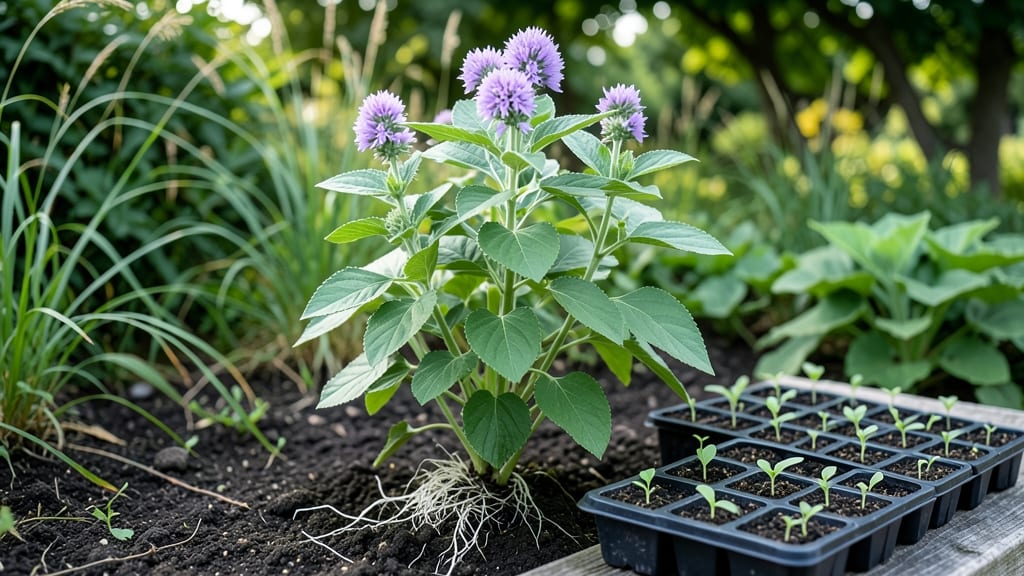
Planting alfalfa in Michigan after the last frost date—typically mid-April to early May—sets the stage for strong, resilient stands that thrive in the Great Lakes region.
Michigan’s unpredictable frost dates can make or break your alfalfa crop—planting too early risks frost damage, while waiting too long cuts yields. Timing is everything for establishing healthy stands in zones 5b-6b.
Unlike many crops, alfalfa rewards patience: it’s a two-year commitment, with the first year focused on root development and the second on lush harvests. But getting those roots off to the right start means knowing exactly when soil temperatures stay above 50°F.
Below, I’ll break down the best planting windows by region, soil prep tips to avoid common pitfalls, and how to adjust for Michigan’s microclimates—so you can maximize your yield from day one.
Michigan’s optimal alfalfa planting windows by region
Michigan’s diverse climate zones mean your alfalfa planting success hinges on knowing exact frost-free dates. The Upper Peninsula, Northern Lower Peninsula, and Southern Lower Peninsula each have unique windows where seeds germinate best without frost risk.
Get these dates wrong, and you’ll face stunted growth or total crop failure—especially for alfalfa’s shallow roots that freeze easily.
Alfalfa thrives when soil temperatures reach 50°F (10°C), but Michigan’s late spring frosts can delay planting by weeks. The USDA Hardiness Zones 5b-6b across Michigan create a 3-week difference between the earliest (Southern Lower Peninsula) and latest (Upper Peninsula) planting zones.
Let’s break down the optimal planting windows for each region to maximize your alfalfa stand establishment.
Pro Tip: Always check the Michigan State University Extension’s frost forecast (updated weekly) before planting. Their 10-day outlook accounts for Lake Michigan’s moderating effects on coastal areas.
| Region | Last Frost Date | Spring Planting Window | Fall Planting Window | Soil Temp Requirement |
|---|---|---|---|---|
| Southern Lower Peninsula | Mid-April (Zone 6b) | April 15 - May 15 | September 1 - September 15 | 50°F (10°C) minimum |
| Northern Lower Peninsula | Late April (Zone 5b) | May 1 - May 31 | August 20 - September 10 | 50°F (10°C) minimum |
| Upper Peninsula | Early May (Zone 5a) | May 15 - June 15 | August 1 - August 20 | 55°F (13°C) minimum |
⚠️ Note: Coastal areas near Lake Michigan may have 2-3 week earlier frost-free dates due to lake-effect warming.
For the Southern Lower Peninsula, aim to plant alfalfa seeds between April 15 and May 15. This window captures the warmest soil temperatures while avoiding late spring frosts that hit Detroit and Kalamazoo hardest.
If you’re in Lansing or Battle Creek, err on the earlier side—mid-April—since these areas experience colder nighttime temperatures.
Northern Michigan gardeners should wait until May 1 at the earliest. The Traverse City and Petoskey regions often see unpredictable frost into early May, so don’t rush. Use a soil thermometer to confirm 50°F (10°C)—alfalfa seeds won’t germinate below this threshold.
If your soil is too cold, delay planting until late May to avoid rot or poor stand establishment.
The Upper Peninsula presents the biggest challenge due to its shorter growing season. Plant between May 15 and June 15 for the best chance of full maturity before winter. Areas like Marquette or Houghton may need to push planting to early June—but this risks reduced first-year growth.
Consider fall planting in late August for a head start next spring.
Fall planting is often overlooked but can be just as effective as spring for alfalfa establishment. In the Southern Lower Peninsula, seed between September 1 and 15 to allow roots to establish before winter.
Northern regions should plant by early September, while the Upper Peninsula’s August window is critical—seeds need 4-6 weeks to germinate before first frost.
Key Mistake: Many Michigan growers plant too late in spring, leading to weak first-year stands. Alfalfa needs 90-120 days of growth before winter to survive. If you’re unsure about frost dates, use frost-protectant cloth for the first 2-3 weeks after planting to give seedlings a fighting chance.
Remember, alfalfa’s deep taproot system makes it drought-tolerant once established—but young seedlings need consistent moisture. In dry springs (common in Western Michigan2-3 days until germination (7-14 days). Once sprouted, reduce to weekly deep watering to encourage root growth.
For commercial growers, consider no-till drilling in spring—this method warms soil faster and improves seed-to-soil contact, critical for alfalfa’s small seeds.
Home gardeners can use a hand-held seeder or broadcast seeds thinly, then lightly rake to cover. Never plant deeper than 1/4 inch—alfalfa seeds need light to germinate.
🌱
How to adjust planting dates for Michigan’s microclimates
Michigan’s Lake Michigan shorelines and inland valleys create wildly different planting conditions—sometimes just 20 miles apart. What’s perfect timing for Traverse City (cooler, lake-moderated) might be too late for Jackson (warmer inland). Understanding these microclimate risks helps you avoid frost damage while maximizing your alfalfa stand.
For example, areas near Lake Michigan often experience delayed spring warming due to lake breezes, while southern Michigan valleys can see earlier soil thaw.
Using soil temperature gauges (not just air temp) and local frost prediction tools like the Midwestern Regional Climate Center lets you fine-tune your planting window for each zone.
⚠️ Critical Microclimate Risks for Alfalfa
Lake Michigan zones: Wait until soil temps hit 45°F+ (not air temp)—delayed warming can kill young seedlings. Use black plastic mulch to warm soil faster in high-risk areas.
Inland valleys: Plant 2 weeks earlier than general guides—warmer microclimates mean soil thaws sooner, but late frosts (even in May) can still damage tender shoots.
Backup window: If spring planting fails, fall establishment is risky but possible in Zone 6b—seed by August 15 for root development before frost.
Start by checking soil temperature at 4-inch depth—this is the real indicator, not air temperature. Use a soil thermometer ($10 at garden centers) to confirm 45°F+ for alfalfa germination.
In coastal areas, this can mean waiting until mid-May, while inland you might plant by late April.
Leverage frost prediction tools like the NOAA Frost Probability Map (noaa.gov) to pinpoint your last frost date. For high-risk zones, add 10–14 days to the average date—history shows late frosts happen.
For example, Muskegon averages frost by May 10, but I’ve seen May 25 frosts in odd years.
For backup planting windows, consider fall establishment in southern Michigan (Zone 6b). Seed by August 15 to allow 4–6 weeks of root growth before first frost. Use dwarf varieties like ‘Ladak’ for faster maturation. In northern zones, stick to spring-only planting—fall risks are too high.
Pro tip: Plant alfalfa in strips (not full fields) to stagger germination. If a late frost hits, only the outer rows may suffer, while inner plants continue growing. This insurance strategy works for home gardens and small farms alike.