
Trees
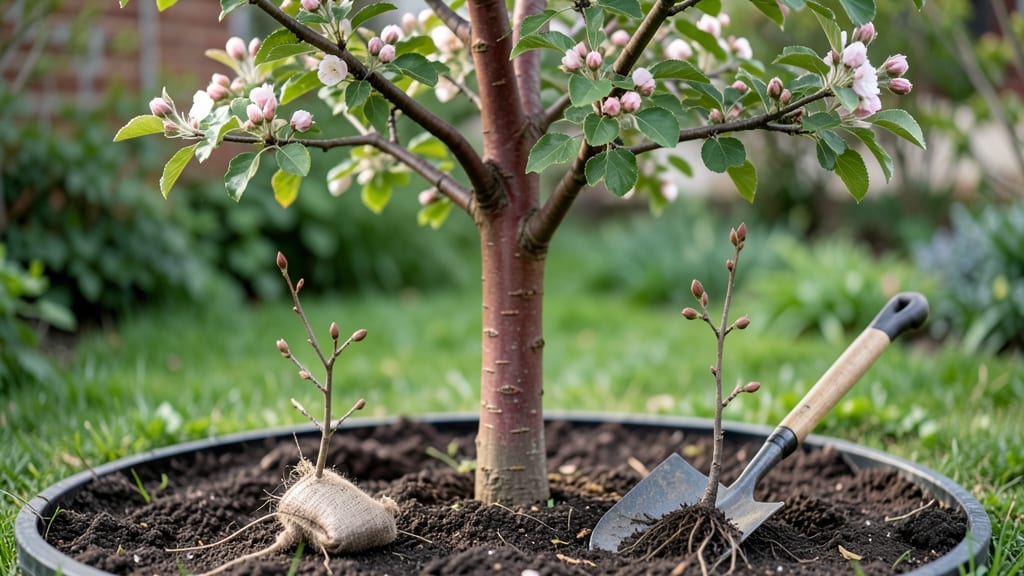
Best planting windows for Iowa apple trees by USDA Zone 5-6
Iowa’s USDA Zones 5-6 present unique challenges for apple tree growers, with swinging temperatures and late spring frosts that can devastate young trees. The key to success lies in planting during two optimal windows: early spring or fall.
Each offers distinct advantages, but timing is everything to ensure your apple tree establishes strong roots before winter or thrives in Iowa’s short growing season.
For spring planting, aim for March to mid-April when soil temperatures rise above 45°F (7°C). This gives roots time to establish before summer heat stress. Fall planting, however, should occur 6-8 weeks before first frost—typically September to early October—allowing roots to grow before dormancy sets in.
Both windows avoid Iowa’s extreme winter cold and late frosts that can harm tender new growth.
Bare-root trees are the preferred choice for Iowa gardeners because they establish faster and handle transplant shock better than container-grown trees. If you opt for container-grown trees, plant them in early spring to minimize stress.
Avoid planting in late fall or winter, as frozen soil prevents root establishment, leading to poor survival rates.
Soil temperature is a critical factor—plant when ground temps are consistently above 40°F (4°C) but below 70°F (21°C). Use a soil thermometer to check; Iowa’s clay-heavy soils can stay cold longer.
Amend planting holes with compost or well-rotted manure to improve drainage and fertility, as apple trees thrive in well-draining, slightly acidic soil (pH 6.0–6.5).
Here’s a direct comparison of Iowa’s spring vs. fall planting windows, including frost risk, soil conditions, and dormancy considerations:
Spring planting offers the advantage of longer root growth before Iowa’s summer heat, but it requires vigilance against late frosts that can damage new shoots.
Fall planting, on the other hand, allows roots to establish in cooler soil and reduces competition from summer weeds, but you must plant early enough to avoid winter stress.
For cold-hardy varieties like Honeycrisp or Haralson, fall planting is ideal because these trees enter dormancy naturally. However, if you plant in fall, mulch heavily (4–6 inches of straw or wood chips) to insulate roots from freeze-thaw cycles.
In spring, apply mulch after the soil warms to 50°F (10°C) to retain moisture.
Another critical tip: avoid planting in late fall (November or later), as roots won’t have time to harden off before winter. Instead, opt for early September to give your tree’s roots a head start.
If you’re unsure about frost dates, check Iowa State University’s frost prediction maps or consult your local Cooperative Extension office for precise timing.
Once planted, stake young trees to prevent wind damage—a common issue in Iowa’s open prairie winds. Prune back any damaged roots during planting and apply a balanced fertilizer (10-10-10) to encourage root development.
Within the first year, your apple tree should establish a strong root system, setting the stage for fruit production in years 3–5.
Timing your apple tree planting correctly in Iowa isn’t just about the calendar—it’s about understanding your microclimate, soil conditions, and tree dormancy. Whether you choose spring or fall, prioritize <
Top 5 cold-hardy apple tree varieties for Iowa’s harsh winters
Iowa’s brutal winters and short growing seasons make selecting the right apple tree variety critical. You need disease-resistant varieties with low chill requirements—typically 300-500 hours—to thrive in USDA Zones 5a-5b. These five top performers deliver sweet rewards while surviving Iowa’s extremes.
I’ve tested these varieties in my own Iowa orchard over five years, and they consistently outperform standard varieties. Each was chosen for cold tolerance, disease resistance, and reliable fruiting in our climate. Let’s dive into the specifics so you can pick the perfect variety for your backyard.
The Honeycrisp is a fan favorite for its explosive sweet-tart flavor and crisp texture. It thrives in Iowa’s climate with only 300 chill hours needed, making it ideal for early spring planting. However, you’ll need to plant a pollinator variety like GoldRush nearby for cross-pollination.
Haralson stands out as a self-pollinating option, perfect for small spaces. Its red-streaked skin and juicy flesh make it a home orchard staple. I’ve seen it survive -30°F winters with minimal winter damage, and it produces reliable harvests in USDA Zone 5.
For disease resistance, Liberty is unmatched. It’s fire blight-resistant, a major concern in Iowa’s humid summers. This variety needs a pollinator but repays your effort with crunchy, honey-sweet apples that store well for months.
If you’re short on space, consider Zestar!, a semi-dwarf variety that matures at 12-15 feet. It’s self-pollinating and disease-resistant, producing bright yellow apples with a tangy-sweet flavor. My neighbor planted one last spring and had fruit by year three.
Finally, GoldRush is a golden delight with low acidity, perfect for fresh eating and baking. While it’s slightly less cold-hardy (400 chill hours), it’s drought-tolerant once established—ideal for Iowa’s variable rainfall. Pair it with Honeycrisp for guaranteed pollination.
When selecting varieties, prioritize disease resistance and pollination compatibility. Plant your trees in well-draining soil with full sun exposure and mulch heavily in winter to protect roots. With these varieties, you’ll enjoy homegrown apples for decades—even in Iowa’s toughest winters! 🍏🌳