
Trees
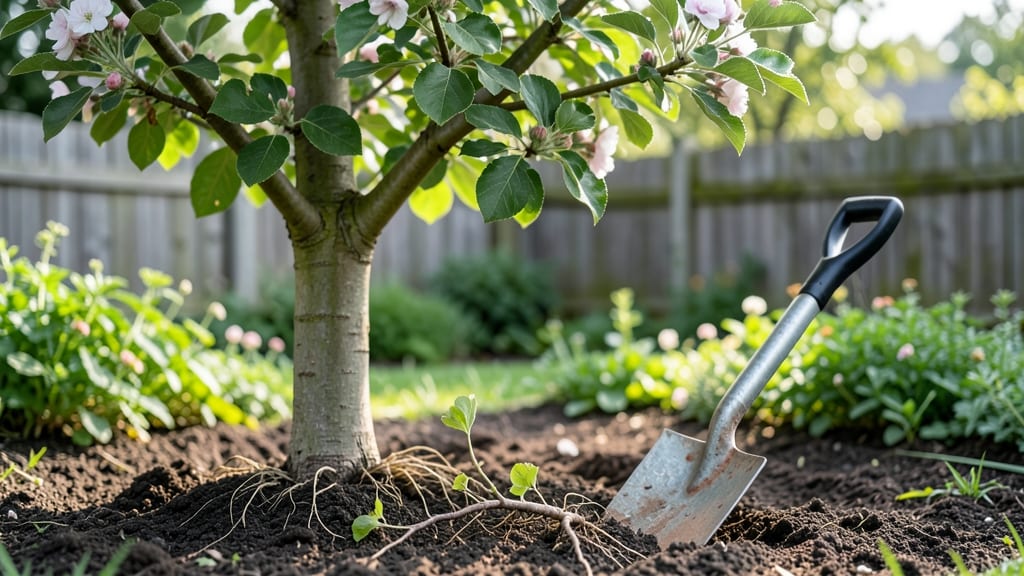
Planting apple trees in South Carolina at the right time means the difference between a thriving orchard and a frost-killed sapling—so timing is everything.
If you’ve ever watched a 🍎 sapling wilt under a late spring frost or struggle to root in summer’s heat, you know how critical the window is.
South Carolina’s USDA Zones 7b-8a give you two prime chances: late winter to early spring or fall, when the ground is cool but not frozen.
In this guide, I’ll break down the exact months to plant based on your region, the best varieties for SC’s climate, and how to prep your soil for success—so you avoid the common mistakes that kill young trees before they even bear fruit.
You’ll learn how to read your local frost dates, which apple types handle SC’s heat best, and the three-step care routine that keeps your tree strong from day one. Let’s get started.
South Carolina’s frost-free window: the best months to plant apple trees
South Carolina’s warm climate makes it an ideal place for growing apple trees, but timing your planting correctly is critical for survival. With USDA Zones 7b-8a, most areas experience their last frost around March 15, while the first frost typically arrives in mid-November.
Planting outside these windows risks frost damage to young roots and tender shoots, especially for bare-root saplings.
For containerized trees, you have more flexibility, but even they thrive best when planted during dormant seasons. The two best windows are late winter to early spring (February-April) or fall (October-November).
These periods give roots time to establish before extreme heat or cold sets in, ensuring your apple tree gets off to a strong start.
Here’s a quick breakdown of South Carolina’s frost-free window and how it impacts planting:
If you’re planting bare-root apple trees, aim for late winter to early spring (February-April). This timing aligns with the tree’s natural dormancy period, allowing roots to establish before the growing season begins.
For containerized trees, you can extend planting to fall (September-November), but avoid extreme heat or cold.
In Zone 7b (Upstate SC), where frosts linger longer, prioritize planting by March 15 to avoid late-season cold snaps. Meanwhile, Zone 8a (Coastal SC) offers a longer window, with fall planting (October-November) being ideal for root development before winter.
Always check your local last frost date using resources like the National Weather Service or USDA Plant Hardiness Zone Map.
For containerized trees, you can plant year-round in South Carolina, but avoid summer heat (June-August) when roots can dry out quickly. If you must plant in summer, choose overcast days and water deeply afterward to reduce transplant shock.
Mulch heavily around the base to retain moisture and regulate soil temperature.
One common mistake is planting too early in winter (December-January), when soil is often frozen or waterlogged. This can stunt root growth and increase the risk of root rot. Conversely, planting too late in spring (May-June) exposes young trees to summer heat stress, especially in Zone 8a.
Always dig a hole twice as wide as the root ball to encourage root spread into native soil.
After planting, focus on watering deeply once a week for the first two months, especially during dry spells. Use a 5-gallon bucket to deliver 15-20 gallons per tree directly to the root zone.
Avoid overhead watering, which can spread disease. In fall-planted trees, reduce watering in late autumn to prepare for dormancy.
For best results, pair your planting with soil amendments like compost or aged manure to improve drainage and fertility. Apple trees thrive in slightly acidic soil (pH 6.0-6.5), so test your soil before planting.
If your soil is too alkaline, mix in peat moss or sulfur to adjust the pH. This small step can make the difference between a healthy, productive tree and a struggling one.
Best apple tree varieties for SC planting & their specific timing needs
South Carolina’s warm climate and mild winters make it possible to grow apple trees successfully, but variety selection and planting timing are critical. The wrong choice can lead to poor fruit set or even tree death.
For Zone 7b-8a, I recommend cold-hardy yet heat-tolerant varieties like 'Anna,' 'Ein Shemer,' and 'GoldRush' that thrive in SC’s humid subtropical conditions. These varieties bloom later, avoiding late frosts that can devastate early bloomers.
Timing your planting depends on whether you’re using bare-root or container-grown trees. Bare-root trees should go in the ground during their dormant season (late winter to early spring), while container-grown trees offer more flexibility.
Below, I’ve broken down the best varieties for SC and their ideal planting windows to ensure maximum survival and fruit production.
For South Carolina’s climate, I prioritize varieties that bloom after the average last frost date (around March 15). 'Anna' and 'GoldRush' are my top picks because their mid-to-late season blooms reduce frost damage risks.
If you’re planting in fall, choose container-grown trees and water deeply to establish roots before winter.
Heat-tolerant varieties like 'Ein Shemer' perform exceptionally well in SC’s humid summers. However, avoid planting heat-sensitive varieties like 'Fuji' in spring—they’ll struggle with summer heat. Instead, plant 'Fuji' in fall (October-November) to give roots time to establish before the heat peaks.
Pro tip: Pair varieties with compatible pollinators to ensure fruit set. For example, 'Gala' needs 'GoldRush' nearby, while 'Anna' is self-fertile. Always check the pollination group before buying trees to avoid disappointment.
Once planted, mulch around the base with 3-4 inches of organic mulch to retain moisture and regulate soil temperature. This is especially important in SC’s hot summers and mild winters, where temperature swings can stress young trees.