
Plants
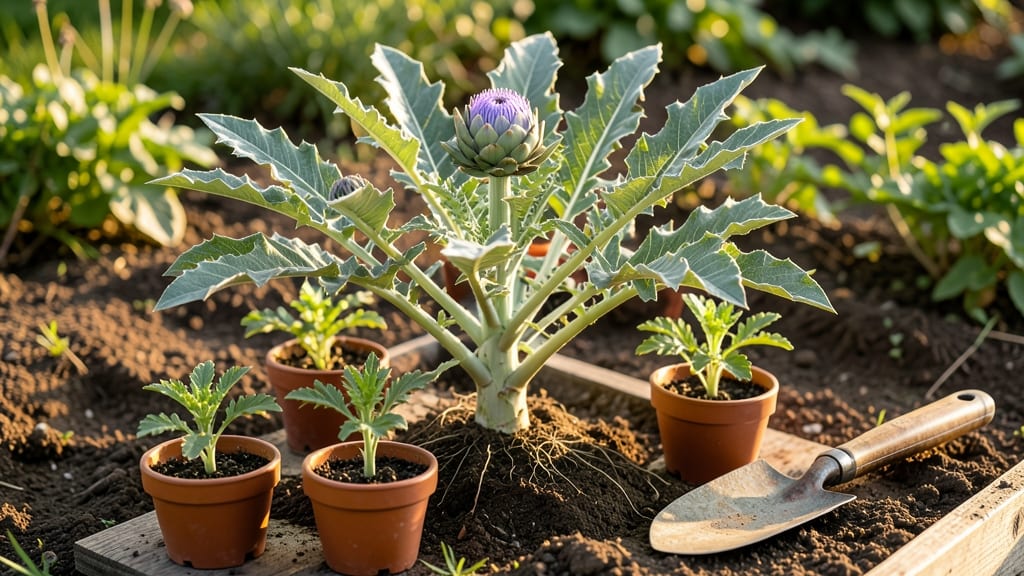
To plant artichokes in Zone 9, aim for late fall to early winter—between October and February—when soil temperatures dip below 70°F to avoid heat stress.
Artichokes thrive in Zone 9’s warm climate—but planting them at the wrong time can turn your harvest into a flop. Timing isn’t just about seasons; it’s about avoiding heat stress, pests, and stunted growth.
Most gardeners in Southern California or Phoenix rush to plant in spring, only to watch their artichokes bolt or wilt under the summer sun. The key is cooler soil and milder weather, which gives young plants the best start.
Below, I’ll break down the exact months to plant, how to prep your soil for Zone 9’s unique microclimates, and the three mistakes that kill yields before they even begin.
Best planting times for artichokes in Zone 9 (with exact months)
Artichokes in Zone 9 love the warm climate—but timing is everything. Unlike cooler zones, you can plant year-round with the right strategy. The ideal window is fall (October–February), when soil temps stay mild and summer heat hasn’t arrived yet.
This prevents heat stress and gives roots time to establish before the growing season peaks.
Zone 9’s frost-free year-round means no winter dormancy, but artichokes still need cooler temps to thrive. Planting in September or March is possible, but yields suffer without proper care. The key is aligning with soil temperatures below 75°F—any hotter, and seedlings struggle to germinate.
Microclimates in Zone 9 (like coastal vs. desert areas) shift timing slightly. Coastal regions can plant 1–2 weeks earlier due to cooler ocean breezes, while inland areas should wait until November to avoid extreme heat. Always check your local last frost date (even if rare) to adjust.
| Planting Window | Soil Temp Threshold | Best Varieties | Yield Impact |
|---|---|---|---|
| October–November | 60–75°F | Green Globe, Violetto | High (optimal growth) |
| December–January | 55–70°F | Imperial Star, Romanesco | Moderate (slower start) |
| February–March | 70–80°F (risky) | All varieties (stress-prone) | Low (heat stress) |
| September (coastal only) | 65–75°F | Green Globe | Moderate (pest risk) |
🌱 Pro Tip: Use shade cloth if planting in late February to protect seedlings.
For direct sowing, aim for October 15–November 15—this gives plants 4–6 months to mature before summer heat peaks. If starting indoors, transplant 6–8 weeks before your target outdoor date to avoid shock. Seedlings need consistent moisture and partial shade for the first 2 weeks post-transplant.
Heat tolerance varies by variety, but most artichokes bolt (flower prematurely) if soil temps exceed 85°F for prolonged periods. Green Globe handles heat slightly better than Violetto, but neither thrives in Zone 9’s summer. Plan harvests for April–June to avoid stressing plants during their most vulnerable stage.
Zone 9’s long growing season lets you try successive plantings, but space them 6–8 weeks apart to stagger harvests. For example, plant one batch in October and another in December—this extends your yield window and reduces waste.
Just ensure each batch gets 1–2 inches of water weekly to prevent bolting.
Watch for pests like artichoke plume moths, which thrive in warm climates. Planting in fall (instead of spring) often delays their arrival. Use row covers in early spring if you must plant later, and always rotate crops annually to break pest cycles.
Soil prep is non-negotiable in Zone 9. Artichokes hate soggy roots but need rich, well-draining soil with a pH of 6.5–7.5. Mix in compost and sand if your soil is clay-heavy. Mulch with straw or wood chips to retain moisture and regulate soil temps—critical for fall plantings.
If you miss the optimal window, don’t despair. You can still plant in early spring (March), but expect slower growth and smaller yields. Use drip irrigation and shade cloth to mitigate heat stress.
Just remember: patience pays off—artichokes take 120–180 days to mature, so late plantings may not yield until late summer.
For container growing in Zone 9, use 15-gallon pots and plant in October–November. Containers heat up faster, so keep them in partial shade during peak summer. Fertilize lightly with a balanced 5-10-10 mix every 4–6 weeks to avoid overfeeding in warm soil.
3 Critical mistakes that destroy artichoke yields in Zone 9 (and how to fix them)
Artichokes in Zone 9 can be finicky—especially when it comes to timing and care. Many gardeners unknowingly make mistakes that lead to stunted growth, premature bolting, or even total crop failure.
The good news? These issues are almost always preventable. Let’s tackle the top 3 mistakes and how to avoid them before they ruin your harvest.
First, planting artichokes too early in Zone 9’s heat can trigger bolting—where the plant sends up flowers instead of producing edible buds. This happens because artichokes are cool-season crops that struggle when temperatures exceed 85°F.
Even in Zone 9, summer heat can shock young plants, sending them into survival mode and skipping the budding stage entirely.
⚠️ callout-warning
Warning: Planting in July? Your artichokes will bolt—here’s how to delay it
Zone 9’s summer heat (90°F+) forces artichokes into bolting mode. If you must plant late, use shade cloth (30-50%) and drip irrigation to keep soil temps below 80°F. Alternatively, opt for fall planting (October-November) when nights cool down.
Second, ignoring soil pH is a silent killer for artichokes. These plants thrive in slightly alkaline soil (pH 7.0-8.0), but many Zone 9 soils lean acidic. If your soil pH drops below 6.5, nutrients like calcium and magnesium become unavailable, leading to blossom-end rot or weak stems.
Test your soil and amend with lime if needed—just don’t overdo it, as overly alkaline soil can also cause issues.
Third, neglecting irrigation in Zone 9’s dry climate is a fast track to failure. Artichokes need consistent moisture, especially during their first 60 days of growth. In Zone 9, where summer droughts are common, skipping watering can cause stress-induced bolting or bud drop.
Use mulch (straw or wood chips) to retain moisture and water deeply once or twice weekly during peak heat.
To fix these mistakes, start with proper timing: Aim for October-February planting in Zone 9. Next, adjust your soil pH using a simple test kit and amendments.
Finally, prioritize irrigation—especially during dry spells—and always water in the early morning to prevent fungal issues. With these fixes, your artichokes will flourish instead of flop.
Remember, artichokes are perennials in Zone 9, meaning they’ll reward you for years if you get their care right. Avoid these mistakes, and you’ll enjoy a bountiful harvest of tender, homegrown artichokes for seasons to come. Happy gardening!